studio
cronborg
Intelligence as aesthetic practice

Absolute Pitch
CHARLOTTA CRONBORG on archives, taste, and the faculty that cannot be researched, see page 34…
Intelligence as aesthetic practice
Absolute Pitch
CHARLOTTA CRONBORG on archives, taste, and the faculty that cannot be researched, see page 34…
Contents
Turn with the arrow keys, the arrows below, or the margins of the page. On a telephone, swipe.
What is here
Six essays in full. Written first for LinkedIn, where more than a hundred have now been read inside the houses they describe.
A continuing study of luxury conducted in place, through the houses, the ateliers and the rooms where the claim can be checked.
Brand strategy, creative direction, editorial, copy and cultural intelligence, for luxury and for brands that intend to become it.
La Vie Cronborgeoisie is the life all of it describes. It was made to be turned rather than scrolled.
studiocronborg.com
Studio Cronborg
Charlotta Cronborg is a creative director, editor, luxury brand strategist and dress historian. Twenty years across luxury fashion, publishing and cultural institutions.
Bylines in British Vogue, Dazed, i-D and Svenska Dagbladet. Senior Editor at Plaza Publishing Group, with full ownership of fashion content, commissioning, cover shoots, a budget and a team. Before that, London. Ralph Lauren, where the days went between the design archive and the creative concept team. Louis Vuitton, on the Art Department. The Victoria and Albert Museum and Kensington Palace.
Central Saint Martins, BA Fashion History and Theory. Lund University, MA Visual Culture and Communication. Guest lecturer in fashion history and material culture.
More than one hundred essays on fashion and culture have been published under the studio’s name.
The method is fixed. Insight first, then strategy, then concept, then design, then execution. The form is settled last, editorial, digital or physical, and it follows from the argument rather than the other way round.
The studio advises and produces for a small number of discerning clients. Luxury houses, brands that intend to become luxury, cultural institutions, and the reports the industry reads. Curation runs through all of it. Deciding what belongs beside what, and what to leave out, is the same faculty as deciding what to write.
charlotta@studiocronborg.com
Consultancy
What a brand is for, who it is for, and what it has to refuse. Platforms, architecture, naming, the founding document.
Campaign concepts, image direction, casting logic, the standard a picture has to meet before it goes out.
Commissioning, writing, editing. Magazines, books, reports, the long form a brand publishes under its own name.
The register, the vocabulary, the sentences themselves. Manifestos, product texts, correspondence.
Reading the market through culture rather than through the quarter. Advisory retainers, briefings, industry reports.
Engagements begin with a conversation and a written brief. charlotta@studiocronborg.com
The features
All essays are published first on LinkedIn and held here in full. More than one hundred exist. Six are printed here.
studiocronborg.com
A woman shouting at her butler beside the pool, and a rose field in Grasse where forty kilos of flowers make one of absolute. On what the guest contributes, and on why the perishing is where the material comes from.
An American woman was shouting at her butler. Warmth of the sun, mid afternoon, the pool water very still. She wanted something that hadn’t arrived, and her voice went up off the stone and crossed a courtyard that centuries of masonry had been arranged to keep quiet. He stood in front of her with his hands behind his back and took it. When she’d finished he said he’d see to it, and went, at a walking pace, unhurried, which was its own answer.
She’d paid a great deal to be there. She was inside one of the most considered houses on the riviera, in the best hour of the day, and nothing was coming off any of it. Nothing was staying. She would have the receipt, the photographs, the fact of having been, and she’d carry out exactly what she carried in.
The tuberose survives in Grasse because of a gift. The last grower handed Joseph Mul his bulbs on retiring.
In May the smell of roses reached me before the field did. I walked the rows, wellies on. Bent backs, straw, canvas aprons at the waist, the pickers going along the lines with both hands. The Mul family have grown flowers there since 1840, and Fabrice Bianchi, Mul’s son-in-law, runs the fields now. Since 1987, Chanel has taken the harvest.
They’d loved having us
You take the flower at its base and pinch, and it gives way. Picking stops at one, before the heat takes the scent off. The roses are weighed before they wilt and go into the vats that day, where pressure and solvent pull the scent into a wax. Forty kilos make one kilo of it. Nothing about it is efficient.
Bianchi said they had bloomed three weeks early this year. Drought changes the scent. The flowers perish. The sweet smell of vibrant blossom and summer remains for another moment. Chanel can protect thirty hectares indefinitely. In Egypt, pickings have fallen by two thirds.
Luxury clients seek longevity, eternal youth, eternal life. Luxury still can’t say the other thing out loud. The perishing is where the material comes from.
Two months later, on the morning we left, the woman who had looked after us all week came to say goodbye and told me quietly that they’d loved having us. I’ve thought about that sentence ever since.
They had been noticing us all week, and had reached a view. We had been received as carefully as we were receiving. Earlier a young man had brought lunch up to the room where I was writing and stayed to talk, and I sat in a doorway with a tray going cold and learned who he was. None of that was in anybody’s training.
Every hotel measures satisfaction, and it runs one way. There’s no line on the form for whether the guest was worth having. Hospitality is one luxury category where the customer truly is a factor of production.
The warm madeleines were the first gesture. At the door there was a loaf, out of the oven that morning, still hot through the paper. We ate it that afternoon, torn, with butter.
There’s no line on the form for whether the guest was worth having.
They’d loved having us
Versace laid out its own relics and called it Obsessed. Petrarch saw Laura once, in Avignon in 1327, and spent forty years writing her. On what a house does with its parts, and on who the crisis actually belongs to.
Versace released the second chapter of its Obsessed campaign on 31 July. Steven Meisel shot it. Each model inside a flat-lay of the house’s own relics, Vanitas volumes, Medusa heads, vintage Vogue covers, old campaign posters. The first chapter papered the walls with Meisel’s Versace advertisements from 1993 to 2004, which is Meisel photographing Meisel. Luxury Daily described it on 3 August as asking a new cast to live among the artifacts of its past.
Gianni Versace has been dead since 1997. Pieter Mulier arrived as chief creative officer on 1 July. The house put up the parts.
Petrarch saw Laura once. 6 April 1327, the church of Sainte-Claire in Avignon. He never had a conversation with her. He spent the next forty years writing her, and called it Rerum vulgarium fragmenta. Fragments. Versace laid its relics out flat on a table and called it Obsessed.
Everyone is writing luxury’s crisis this year. This summer I visited the Houses, ateliers, factories across France and Italy.
Two needles on a single waxed linen thread, going through the same awl hole from opposite sides. One pair of hands takes a bag from the first cut to the last stitch. In the embroidery rooms the Lunéville hook is pushed down through, catches the thread underneath and pulls up a chain.
The work is being done at pace, on the pieces these houses are famous for, the ones the whole idea rests on, by people who are unmistakably where they belong. That is the finding. Belonging. The Hermès bag stamp. The maker is in the object.
Petrarch never met Laura
Luxury is not in crisis. The mass consumer is in crisis, and the marketing addressed to that consumer is in crisis. Luxury went back to the size it was built for.
Miu Miu is 33 years old, not a trend. Retail sales up 2.5 per cent across the first half and 2.6 per cent in the second quarter, measured against 40 per cent growth in the same quarter of 2025 and a 2024 that grew 93 per cent to 1.228 billion euros, with Middle East sales down 24 per cent across the half.
It is Petrarch. The internet takes the fragments. The masses still want. They want something else now.
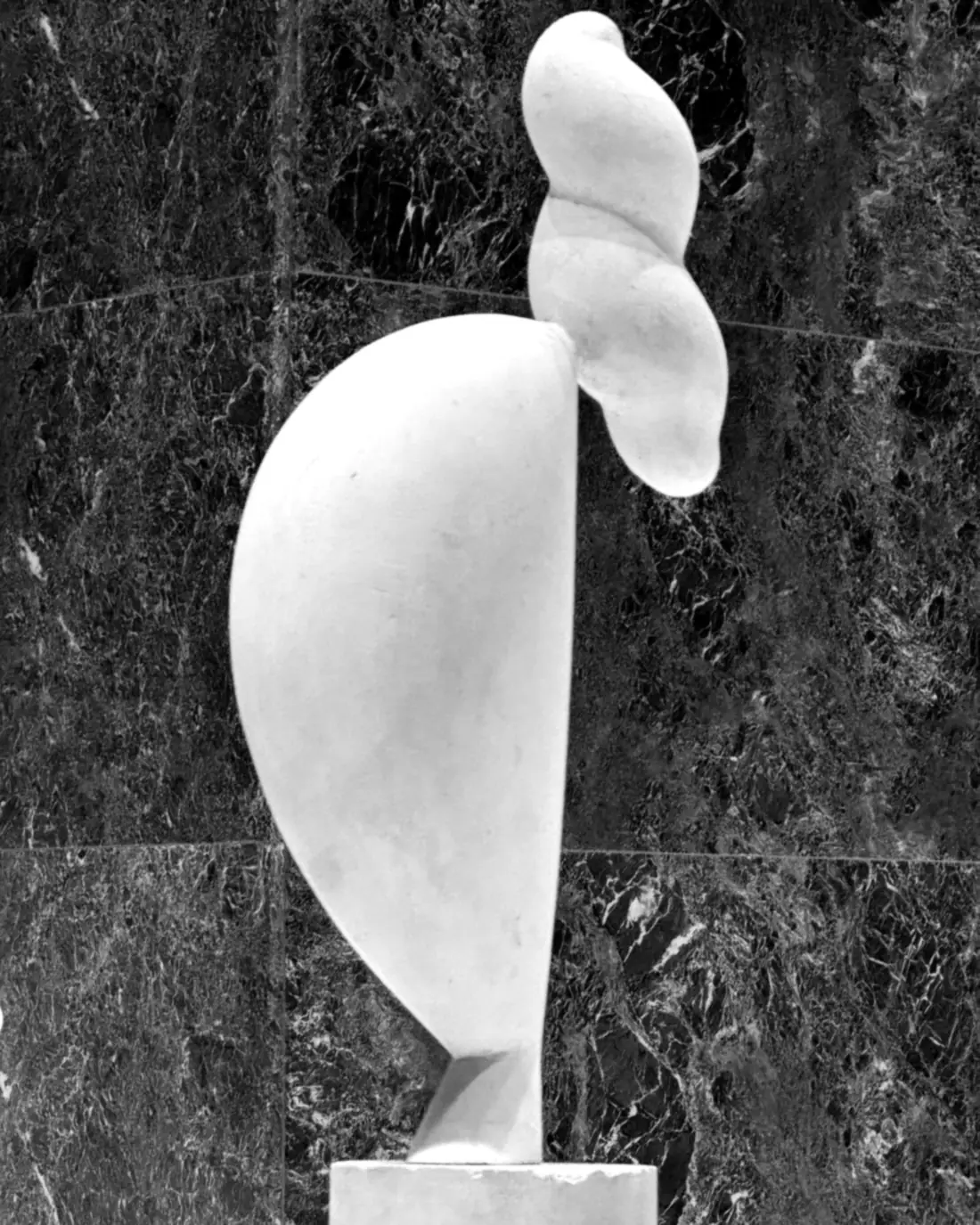
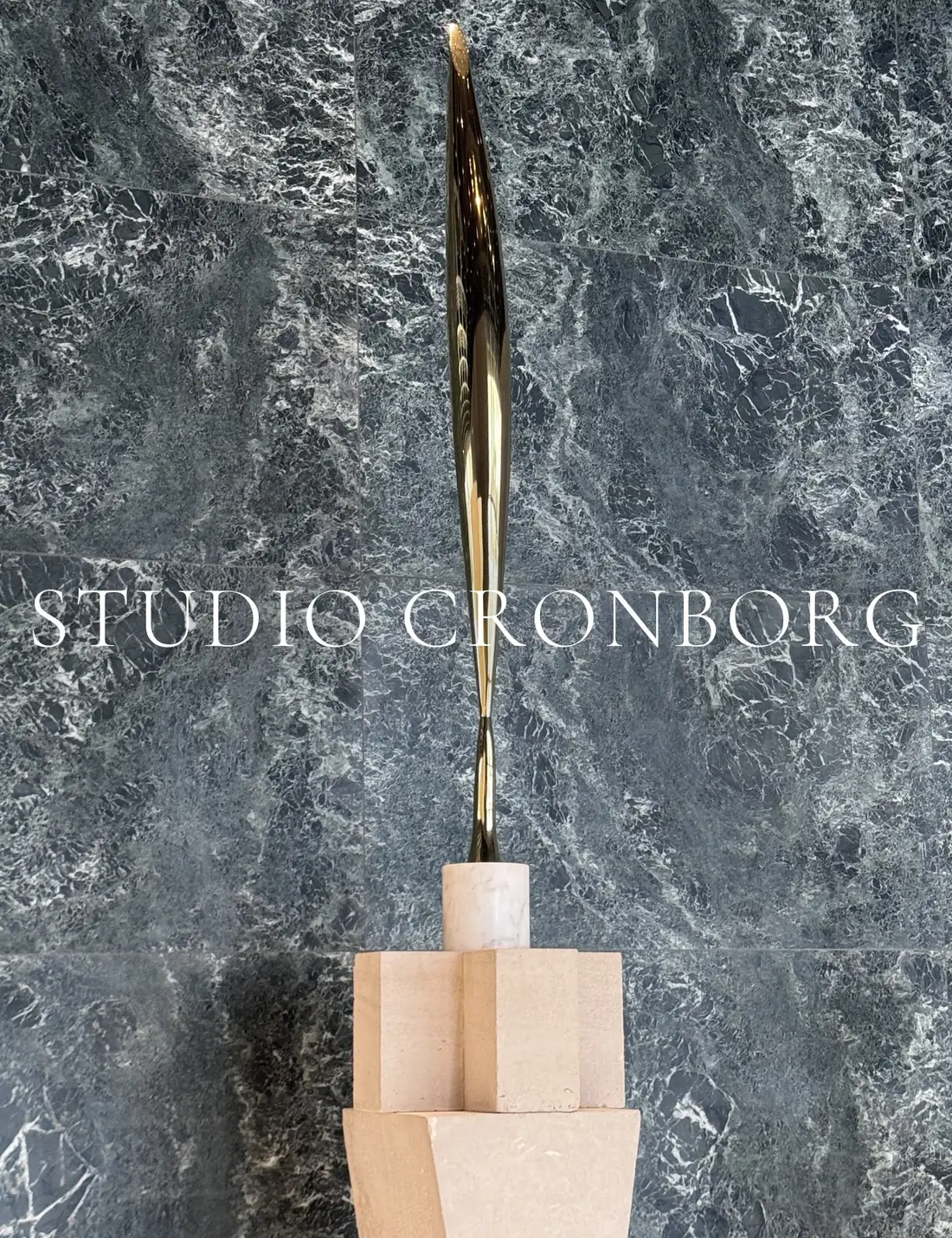
Brancusi at the Neue Nationalgalerie, Mies van der Rohe’s glass box. I watched a run of influencers film themselves walking past the front display. They didn’t go in. American customs refused to admit Brancusi’s Bird in Space as sculpture and charged it 40 per cent as a manufactured metal object. He sued and won in 1928. That is the whole condition. The craft is intact, the ateliers are open, the jewellery is compounding, and the rooms are full of people who belong.
Petrarch never had Laura. Luxury is not the one in trouble here. It is still in the room, working, in centimetres.
Luxury is not in crisis. The mass consumer is in crisis, and the marketing addressed to that consumer is in crisis.
Petrarch never met Laura
Couture opened in Paris. At Versailles a queen built a village with a windmill that turned nothing, and the most expensive simplicity in Europe was invented two hundred and forty years before the obituaries.
The Row stages pure cultural capital, no logo, no noise. Totême stages The Row at a tenth of the price. Legibility is how restraint dies. The moment the outsider can read it, the insider has already left. Quiet luxury’s obituaries have run all season.
Haute couture opened in Paris yesterday. Schiaparelli in the morning, Jonathan Anderson’s second couture for Dior in the afternoon. He turned the Musée Rodin into a garden and cut the collection from eighteenth-century Indian chintz, the cotton France once banned to protect its silk. Blazy’s Chanel shows today. The carpeted runways and private salons of the Place Vendôme fill for the week that sells the six-figure dress to the smallest clientele in fashion.
Versailles has heard this before.
This morning at seven I walked out of the Waldorf Astoria at Trianon into the queen’s landscape. Fog lifting off the meadows, horses loose in the long grass, the gravel dusty underfoot, the air sweet with cut hay. Behind me the palace, gilded, enormous, suddenly absurd.
The first attempt at quiet luxury
In 1783 she had her village built here. Thatched cottages around an artificial lake. A working dairy beside a second dairy that existed only so she could sit and taste. A windmill whose wheel turned nothing. Plaster deliberately cracked, then painted to look older than it was. Rustic exteriors concealing interiors lined in silk. The most expensive simplicity in Europe. The last thing money buys, once it has bought everything else, is the appearance of having bought nothing.
The impulse moved through two courts at once, and it came from the stage. At Drury Lane, Mary Robinson played Perdita, Shakespeare’s shepherdess who is secretly a princess, and made the muslin chemise the fashion of the age. In France it became the Chemise à la Reine. The chemise, then the copy, then the copy sold to everyone. One paper called it a system of elegant simplicity. The quiet luxury thesis, written two hundred and forty years early.
The pastoral was always aristocratic. Perdita charms because she leaves the field at the interval and returns to the box. Muslin reads as chic only on a body that owns silk. The peasant does not want the hamlet. Only the queen wants the hamlet.
Then it turned. The garment meant to say artless was read as decadent. The village meant to say humble was read as mockery. The lightness convicted her, and ten years later the sentence was carried out.
Rousseau promised a natural self beneath the ornament. The powerful have been building stage sets of it ever since. A decorative wheel, grinding no grain.
So the obituaries have it wrong. They have mistaken the costume for the reflex. The reflex is a permanent aristocratic gesture rather than a trend, and this week it is having its most confident season in years.
Tonight I sleep in the hotel built inside her retreat, garden on one side, palace on the other. The dream has simply changed its guests.
The last thing money buys, once it has bought everything else, is the appearance of having bought nothing.
The first attempt at quiet luxury
Every house is selling craft this year. Florence is the one place where the claim can be checked. A tapestry that tells the story of making and a loom that makes are different objects.
Across the Arno in San Frediano, the Antico Setificio Fiorentino has been weaving since 1786, on looms built to Renaissance patterns, with a warper made from a drawing by Leonardo. The cloth comes in centimetres a day. The silk guild ran this city from the fourteenth century, and the workshops of the Oltrarno were not a quarter of the economy. They were the economy, and the banking fortunes that rose beside them understood the function, to convert money into permanence.
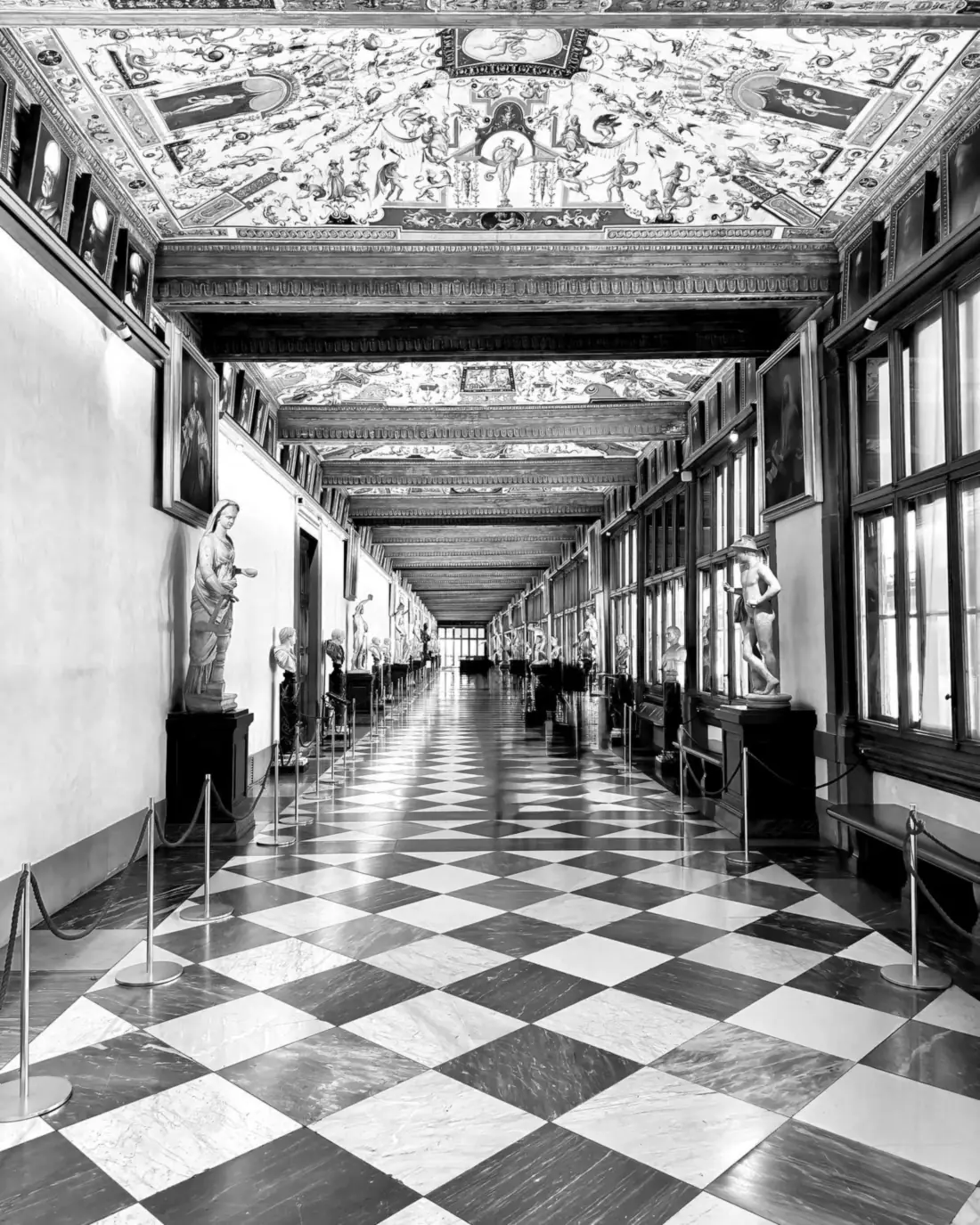
Then the Uffizi, and Bronzino’s portrait of Eleonora di Toledo. The reason to stand still is the dress. Bronzino paints the brocade with more devotion than the face, every gold pomegranate thread by thread, because the dress was the point. It was commissioned display for Cosimo I’s silk economy, the city’s most important industry worn on the body of the duchess. The first campaign image in the history of luxury. And its referent was real. The workshop in San Frediano has rewoven that same brocade. The dress in the painting can be made today, three streets from where it hangs, five hundred years later.
Up at Fiesole, on the hill the city is quarried out of, Belmond reopened Villa San Michele in April after eighteen months of restoration. A fifteenth-century Franciscan monastery with a façade attributed to Michelangelo, its terraced gardens replanted to the historic hillside pattern. The gesture is the old Florentine one. Capital converted into permanence, patronage as the durable form of wealth. The Medici invented that conversion and the city has been running on it ever since.
The Tapestry and the Loom
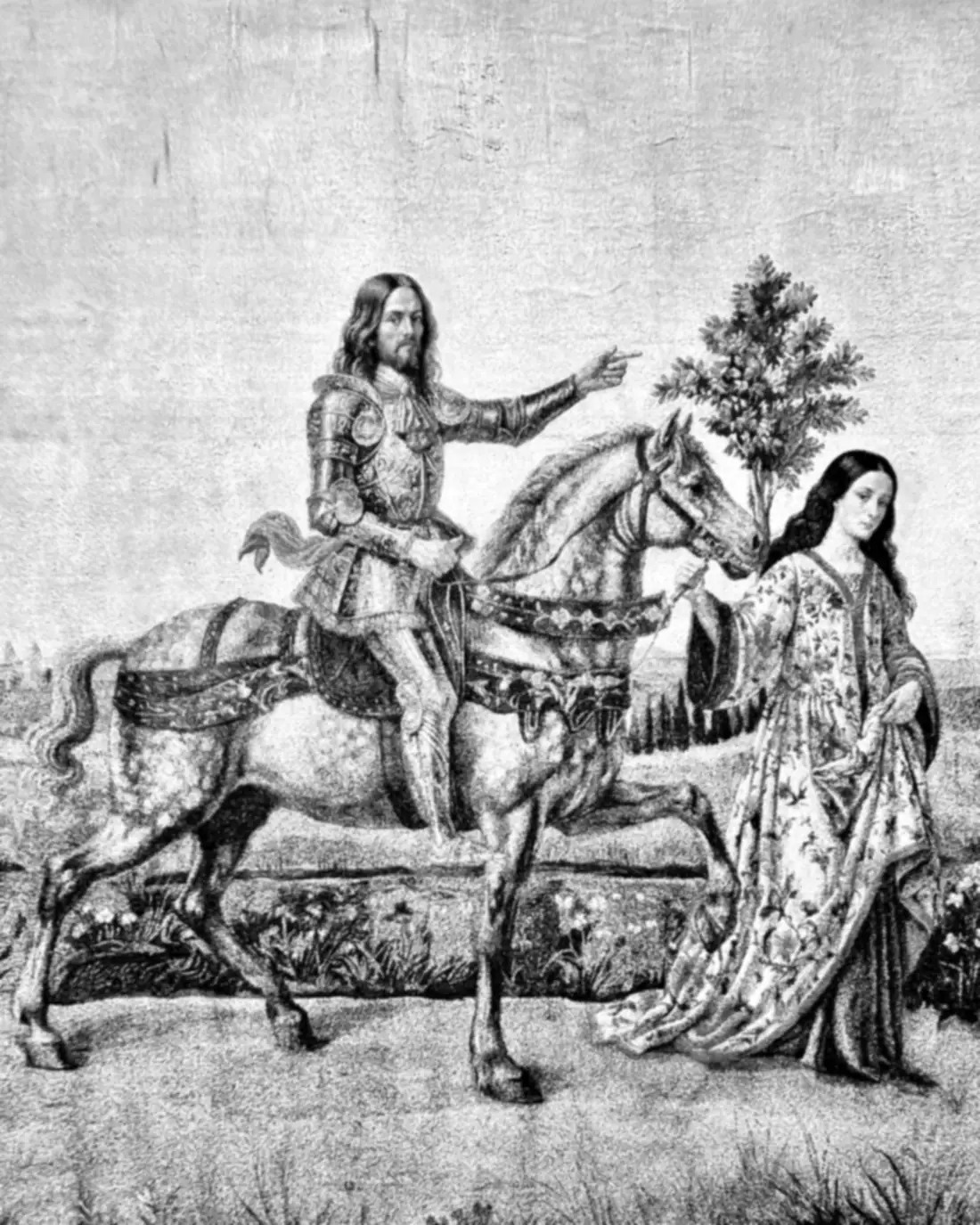
Then Palazzo Gucci on Piazza della Signoria, where Gucci Storia replaced Gucci Garden in April as the first curatorial statement of the Demna era. It opens with tapestries inspired by Renaissance art, narrating a hundred and five years of house history. A room called La Manifattura shows archival tools beside technology from the ArtLab. As theatre it is accomplished. The staging is confident, the narrative controlled.
Rebecca Arnold draws the line between glamour and spectacle. Glamour enchants and admits you. Spectacle performs and keeps you in your seat. Gucci Storia is spectacle, staged in the city that invented the other thing, at the exact moment the market is repricing luxury around the maker’s hand. The houses gaining ground now are the ones that can prove the hand.
A tapestry about craftsmanship, in Florence, reads as an admission.
A tapestry about craftsmanship, in Florence, reads as an admission.
The Tapestry and the Loom
Arnault published thirty hours ahead of half-year results. Wintour took Vogue in 1988 and he took LVMH in 1989. Two machines built on visibility, and the numbers that say what happened next.
The letter is titled “Merci.” Arnault’s group owns Les Echos, Le Parisien, Paris Match and Radio Classique. Le Monde, which ran the six-part series on him, counts his daughter’s partner as its principal shareholder. The rebuttal went out on Sunday through LVMH’s press account. Monday morning he posted on X for the first time, to say he was deeply touched by the response.
Arnault published thirty hours ahead of half-year results. Had he stayed silent, every earnings piece filed today would have opened with the family and closed with the figures. He knew the figures. Net profit, Group share, came in at 5,697 million euros against 5,698 million. That is a print you clear the ground for.
Six instalments in Le Monde about Arnault and his heirs will become the reference text. Hence, Arnault was answering the archive. Le Monde left the series online, unchanged.
Wintour took American Vogue in 1988. Arnault took control of LVMH in 1989. A conglomerate needs volume, volume needs mass desire, mass desire needs certified faces, and certification needs a machine that manufactures fame. The advertising money and the editorial authority were the same money moving in a circle. Vogue was funded by the conglomerate era it was covering.
Aspiration has moved toward the quiet, the silent, away from the marketed handbag. Health, time, privacy, discretion, permanence, and jewellery, as the latest Richemont report clearly showed.
Why doesn’t anyone read Vogue anymore?
Monday’s filing says it twice. Fashion and Leather Goods grew 1 per cent organically in the second quarter and fell 1 per cent across the half, 5 per cent as reported. Its profit fell 7 per cent and its margin slipped to 34.1. Watches and Jewellery grew 9 per cent across the half and eleven in the quarter. Its profit rose 9 per cent and its margin improved to 15.9. The division built on being seen is earning less, and the division built on lasting is earning more.
Wintour stepped back from editing in June 2025 after 37 years, installed Chloe Malle that September, and stayed above her as global editorial director and chief content officer. Malle’s own phrasing was that Anna is still just down the hall. Arnault has named nobody. All five children hold leadership positions in the group, the family holds 50.21 per cent of the capital and 66.39 per cent of the voting rights, and a shareholder who asked in April was told to ask again in seven or eight years.
Arnault and Wintour built machines that run on visibility, novelty, cultural relevancy and zeitgeist.
Why doesn’t anyone read Vogue anymore? Maybe because Paris, Milan, London and New York print the same pages now. Zeitgeist is hard to catch. The most interesting thing any Vogue has done lately was put Slavoj Žižek on the cover of its Adria edition.
Žižek said in the interview that hypocrisy leaves room for interpretation and for protest. Discretion is the hypocrisy of the very rich. The Wertheimers, whom he mentions in the letter, kept theirs. Arnault spent Sunday giving his away, three pages at a time.
The division built on being seen is earning less, and the division built on lasting is earning more.
Why doesn’t anyone read Vogue anymore?
Every rauk on Fårö is a dead reef, standing because the ocean took the soft and left the dense. On archives, absolute pitch, and why having the references is not the same as hearing the interval.
Every rauk on Fårö is a dead reef. Silurian, roughly 420 million years old. They stand because the ocean took the soft and left what was dense enough to hold. Erosion, as editor.
Ingmar Bergman’s archive left Fårö in 45 moving boxes. It is now on the UNESCO Memory of the World register. An archive is inert until somebody reads it.
Through a Glass Darkly in 1961. Persona in 1966. Hour of the Wolf and Shame in 1968. The Passion of Anna in 1969. Same island, largely the same faces. Ralph Lauren has been selling the Oxford button-down since 1971.
Reid Litman wrote in Ad Age this week that Gen Z are answering a version of adulthood asking them to manage more of life with fewer default systems than any generation before them. A default has to predate you to work. Gap put Hailey Bieber in a 1996 bedroom. What resonates is a world with edges.
Everyone has the references now. The same images, the same decades, one search away. Warburg let fashion and advertising into art history. His Pathosformel is the gesture that outlives its own emotion and arrives in a later century either refilled or drained.
Ralph Lauren and Ingmar Bergman
At Ralph Lauren I split my time between the archive and the concept team. They were not two jobs. My days went on garments fifty and a hundred years old, campaigns, images, fragments. A coat from 1930 arrives in a sense with its owner still in it. Where it pulled at the shoulder, what was carried in which pocket, where it was mended and how carefully. You cannot research a 1937 shoulder. You work out what a woman was afraid of that year, what she thought was beautiful, what she was allowed. Then the shoulder makes sense and it can move. That is the method. It is why Ralph Lauren resonated in 1968 and in 2026.
The Swedish phrase absolut gehör names the note. Att spela på gehör hears the interval. The interval is what lets you transpose, and absolute pitch holders often find transposition uncomfortable, because the moved key sounds wrong to them. Same intervals, new key. You actually cannot hear an interval from outside. You have to have lived in the key.
Houses with enormous archives have the notes. Hearing the interval is a separate faculty and it cannot be researched. You are born with it. It is why this piece has Bergman and Ralph Lauren in one frame.
Bergman’s Persona was shot here on Fårö in 1965. It is a film about faces, shot mostly in close-up by Sven Nykvist. The images of two women on the rocks. A headband. Sunglasses. Hard contrast.
Those are the ones that travel. Persona has been on every mood board in Stockholm for decades. Acne Paper revisited it in Spring Summer 2011, shot by Daniel Jackson, styled by Mattias Karlsson, titled Persona. Totême photographed the archipelago with Mikael Jansson this summer, headbands, stark contrast. The image reads at distance, it holds the shape of the rauks.
The notes are there. But there was something more. Someone lived in it. That is the erosion.
Houses with enormous archives have the notes. Hearing the interval is a separate faculty and it cannot be researched.
Ralph Lauren and Ingmar Bergman
Functional fragrance is forecast to drive a quarter of beauty growth. Grasse has done one thing for four hundred years. On aura, the toilette, and the maker’s hand claimed by the wearer.
The 2026 forecasts speak of functional fragrance, scent engineered for focus, for sleep, for nervous-system grounding, a category expected to drive close to a quarter of all beauty growth through the end of the decade while the broader luxury market slows. The industry presents this as a frontier. Grasse has a longer memory.
Grasse has done one thing for four hundred years. It grows flowers and turns them into memory. The arithmetic is brutal and beautiful. One tonne of jasmine flowers, worked petal by petal, yields a little over one kilogram of absolute. Nothing about that ratio is efficient. Efficiency was never what anyone came here for.
Inside the perfume houses, between the copper stills, hang paintings of women at their toilette. The gesture in the frame is the gesture repeated this morning in every bathroom on earth. The hand lifts the bottle. The scent meets the skin. Emotional regulation, ritual, self-care. The industry’s new language describes the oldest behaviour it has. The toilette, renamed.
Benjamin’s aura, the authority of a thing made once, in one place, that reproduction cannot carry across. Grasse is aura in its purest commercial form. Aura cannot be scaled. So the category manufactures a benefit instead, focus and calm and sleep, claims that can be produced at volume in a way a hillside in July never can.
The ritual was never new
Kapferer drew the line at function. A premium product justifies its price by what it does for you. A luxury object refuses that justification entirely. The moment a house sells a scent on its outcomes, it has stepped across that line. It is speaking the language of the serum and the supplement, and it has talked itself out of the one position that made fragrance irreplaceable. Functional fragrance is, in strict terms, a contradiction. A mass-produced mood product can be excellent. It cannot be luxury.
The maker’s hand lives at the perfumer’s bench in Grasse. We chose, weighed and blended, the maker’s hand turned ours. Gen Z performs that gesture daily. Fragrance layering, the habit the trade reads as a sales multiplier, is the maker’s hand claimed by the wearer. A generation raised on open code wants participation, the accords, the right to recombine. The signature scent was a finished work. The layered wardrobe is authored on skin.
Scent reaches memory before the thinking mind is consulted, which is why a scent worn by someone long gone can arrive with the force of their presence. The bottle is new each season. The gesture is inherited.
The bottle is new each season. The gesture is inherited.
The ritual was never new
studiocronborg.com
A continuing study of luxury, conducted in place. Through France and Italy, the houses, the places, the people.
What makes certain things irreducible at a moment when so many are under pressure. Provence asks how a landscape becomes a commercial signal. Monte-Carlo is the unfiltered version of the luxury equation. Puglia holds the hospitality typology of the decade. Each stop is a question, studied from inside.
The places
Field notes are published in full at studiocronborg.com. The study continues.
Field notes
Versailles. The most expensive simplicity in Europe, built in 1783.
Saint-Rémy. Being served is a transaction. Being known is a relationship.
Grasse. Four hundred years of turning flowers into memory, in centimetres.
Monte-Carlo. The luxury equation with nothing at all placed in front of it.
Roma. The threshold, and the question of who is allowed to cross it.
Puglia. The hospitality typology the rest of the decade will borrow.
Firenze. The one city where the claim about craft can still be checked.
Antwerpen. The school that taught an industry to think before it draws.
Cultivation, in the old sense.
For some people, intelligence and beauty were never two separate things. La Vie Cronborgeoisie is the life that follows.
They know each other on sight and rarely say so. Milan, Paris, Vienna for the music, Tuscany for the thinking. The best rooms, entered quietly. No logo announces her and nothing needs to.
The appetite is the point. Lunches that end at five, an early train to stand in front of one painting, the swimming done before anyone else is awake. Time is the one extravagance.
Taken as read
Just now the golden-sandalled Dawn
Sappho · Fragment 123
In season
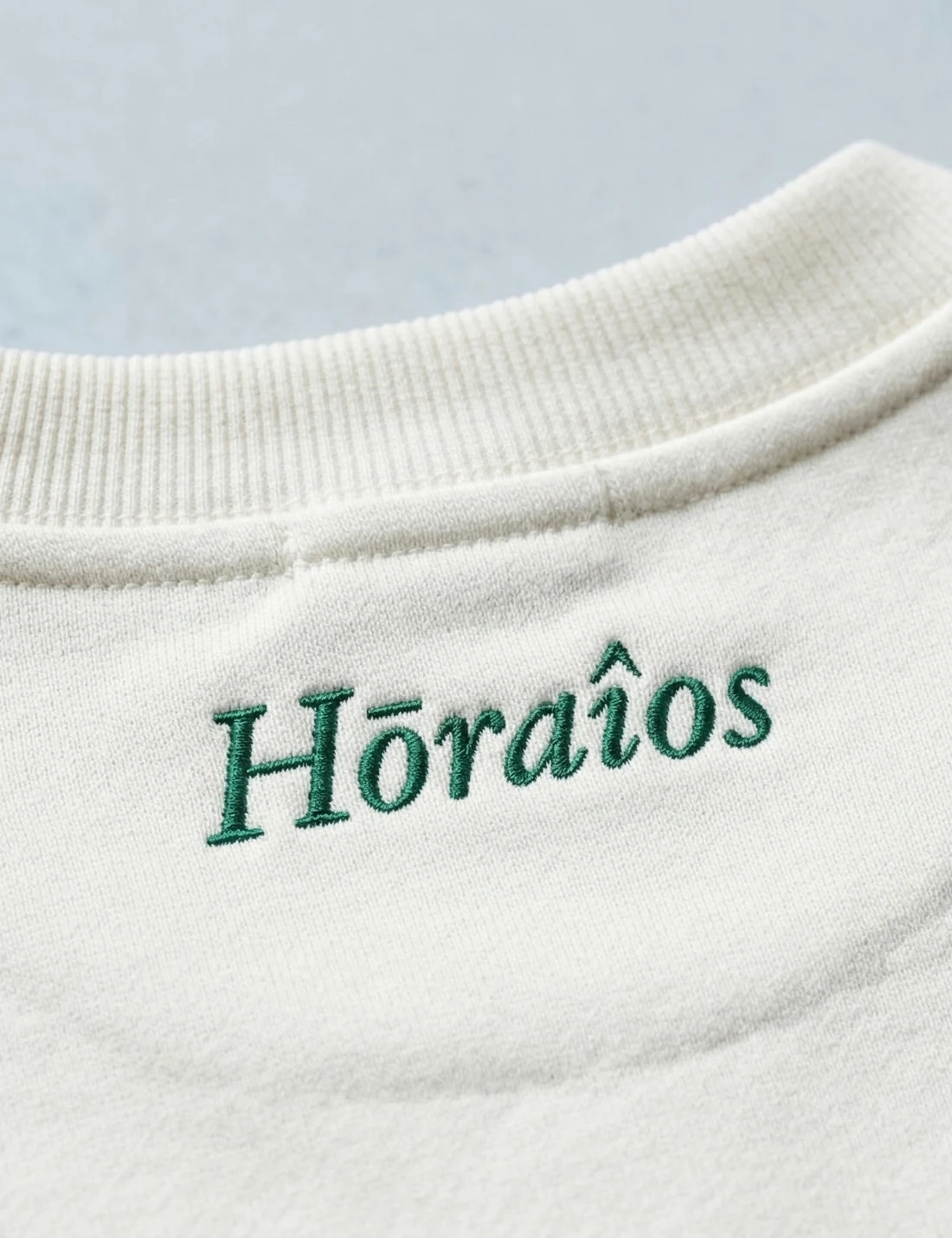
The ancient Greek had no word for beautiful that meant only beautiful. Hōraîos described something ripened into its right moment. Not too early. Not too late. In season. This is the philosophy that shapes everything made here.
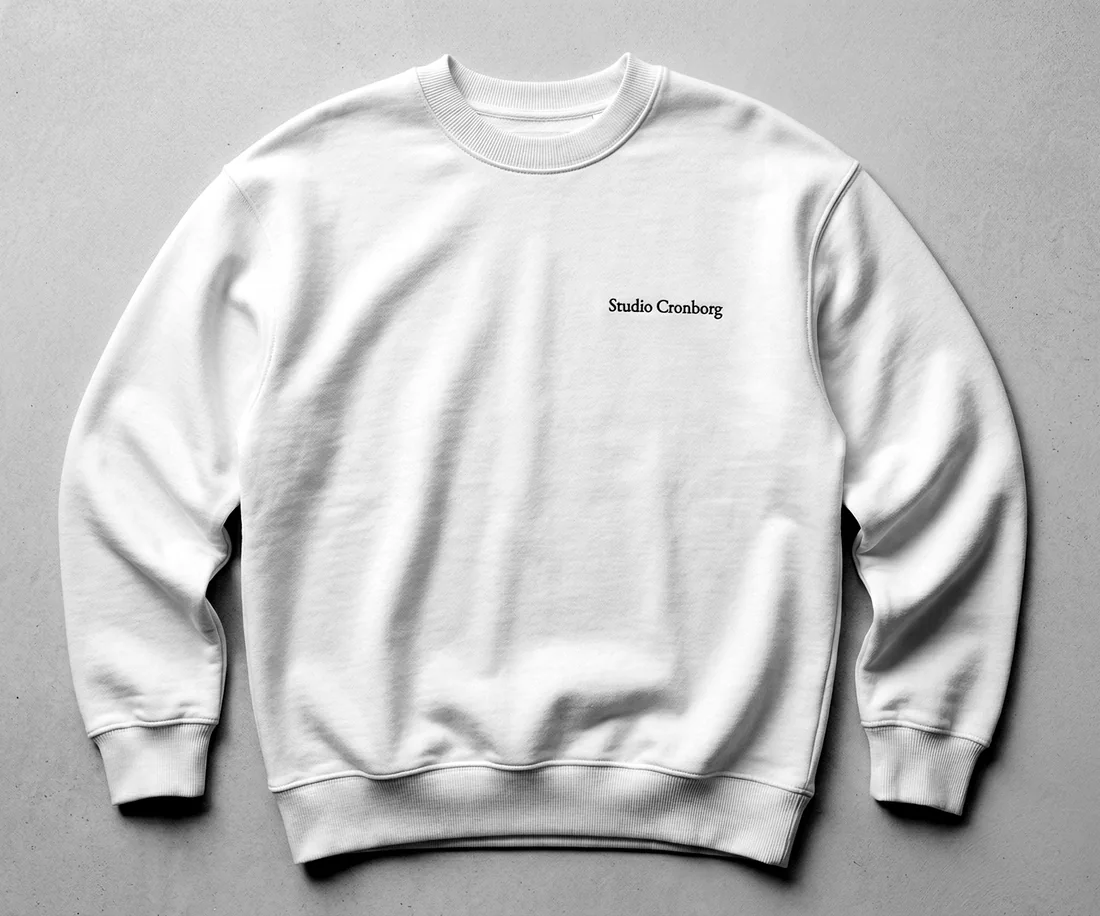
Object No. 01 is made with the same consideration as the writing. Cut and finished in Italy, in the finest Italian cotton. The Greek sits at the back of the neck, just below the hem. Outside. Exact. A detail seen by those who look.
The front. Ivory cream, the finest Italian cotton.
Enquiries · charlotta@studiocronborg.com
studiocronborg.com
The Cronborgeoisie
For those who are already here. There’s no application. No paywall. No waiting list. The threshold is invisible, and those who belong already know.
You’re in. We’ll be in touch.
studio
cronborg
charlotta@studiocronborg.com
studiocronborg.com
Editor, Words and Creative DirectionCharlotta Cronborg
PhotographyCharlotta Cronborg
DesignStudio Cronborg
The Field StudyA continuing study of luxury, conducted in place
The AuditorAn instrument for reading where a brand stands
Elsewhere LinkedIn · Instagram · TikTok
© Studio Cronborg
studiocronborg.com
studio
cronborg
studiocronborg.com