Studio Cronborg · Field Notes · No. 03

Antwerp

Restraint as a form of wealth

July 2026 · Belgique

In the summer of 1520 Albrecht Dürer came to Antwerp and did not reach for adjectives. He kept a diary of his year in the Netherlands, and it reads less like the record of a wonder than the ledger of a careful man. He set down what he was given and what he gave. A gift received, a print sold, the cost of a meal, the weight of a portrait done for a merchant who paid in cloth or coin. He arrived at the richest city in Europe, was received with great honour by its painters and its prominent men, sat at their banquets, and answered all of it in the language of an account book. Splendour, recorded plainly. A master keeping accounts.

That is the whole city in a single figure, if one looks at it long enough. Because Antwerp's genius has never been for display. It has been for value held rather than value spent, for the wealth kept in the cut you cannot see the labour of, in the label left blank, in the ceiling painted black. This is not modesty. Modesty apologises. What Antwerp does is something colder and more confident, a refusal to perform that comes from having once had everything and learned what it costs to lose it.

The learning has a date. In 1585 the city fell, and the Dutch closed the Scheldt behind it, and the river that had made Antwerp the centre of the world was shut for two centuries. Half the population went north, and it was the skilled half, the merchants and the makers and the Protestants, carrying their trades to Amsterdam to build a golden age that would belong to someone else. Antwerp did not merely decline. It watched its own talent become another city's morning. A place that has been the centre and then been bypassed does not forget the sensation. Something in it closes, the way a hand closes. The restraint one feels in the streets now, the quiet, the pride without announcement, is not temperament. It is memory. The city speaks the least ornate of the major European languages and named its most famous designers by number, and both of these are the same fact. Antwerp says less in every register it has.

The instinct is older than its fashion, older than the fall. It is there four centuries deep in the churches and the small museums, in the way the city has always chosen to keep the extraordinary close and quiet rather than raised and lit. Rubens, who could fill a ceiling with more flesh and motion than any painter alive, arranged to lie beneath none of it. He chose for his own grave in Saint James's a single painting of his own hand, a Madonna among saints, and kept a second work, a Mater Dolorosa, in his collection until his deathbed and then gave it to the same altar. The most exuberant man in European painting curated his own restraint down to the last canvas, and the chapel where he lies, restored and returned only this year, holds that decision still. The grandeur is real. It is simply turned inward, made private, kept for the family chapel rather than spent on the nave.

A few streets away, in a merchant's collected house that became the Museum Mayer van den Bergh, Bruegel's Dulle Griet strides across the mouth of hell in her armour, and she hangs not in a grand civic hall but in a small room, in the domestic hush of a private eye that knew what it had. Mad Meg, kept like a secret. The extraordinary held in the palm rather than raised on the wall. One begins to see that the city has been answering the same question since before it knew it was asking, since Dürer sat pricing wonder at its banquets. How does one possess something great without spending it on the having.

The five rooms that follow are five answers.
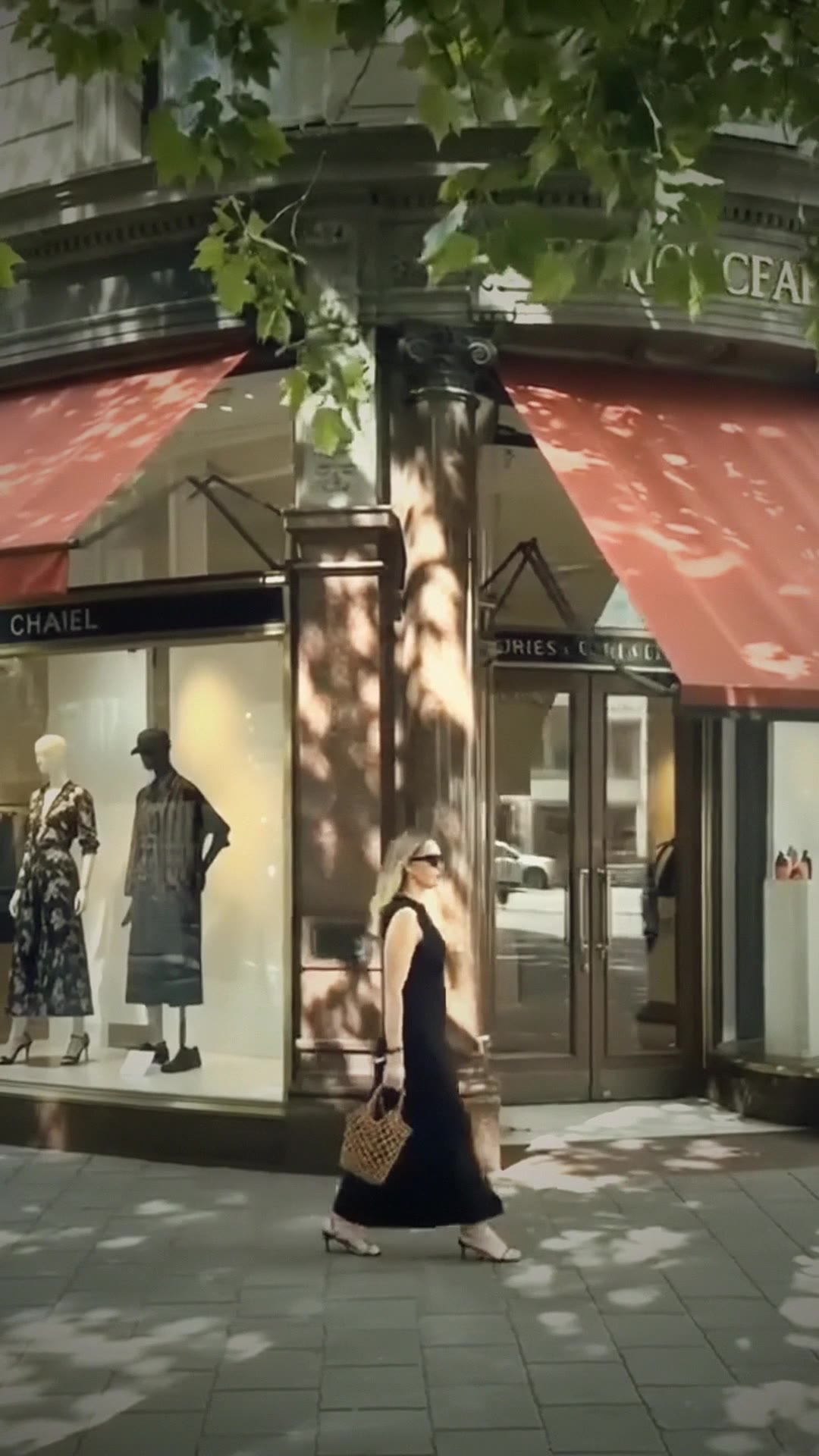
Antwerp, filmed on the ground · July 2026

The first is a hotel that was a convent, and the room that matters is the chapel. Vincent Van Duysen kept the pilasters and the patterned floor and the moulding, and painted the domed ceiling above them jet black. The wealth is all still there, the ornament, the grandeur of the old devotion, but it has been turned down into shadow so that a single shelf of bottles glows beneath the stained glass and the rest holds its breath. It photographs as pure restraint, which is to say it photographs as pure confidence, a room rich enough to keep its riches dark. One does not brighten this. One exposes for the glass and lets the black go almost to nothing, and the almost is the whole point.

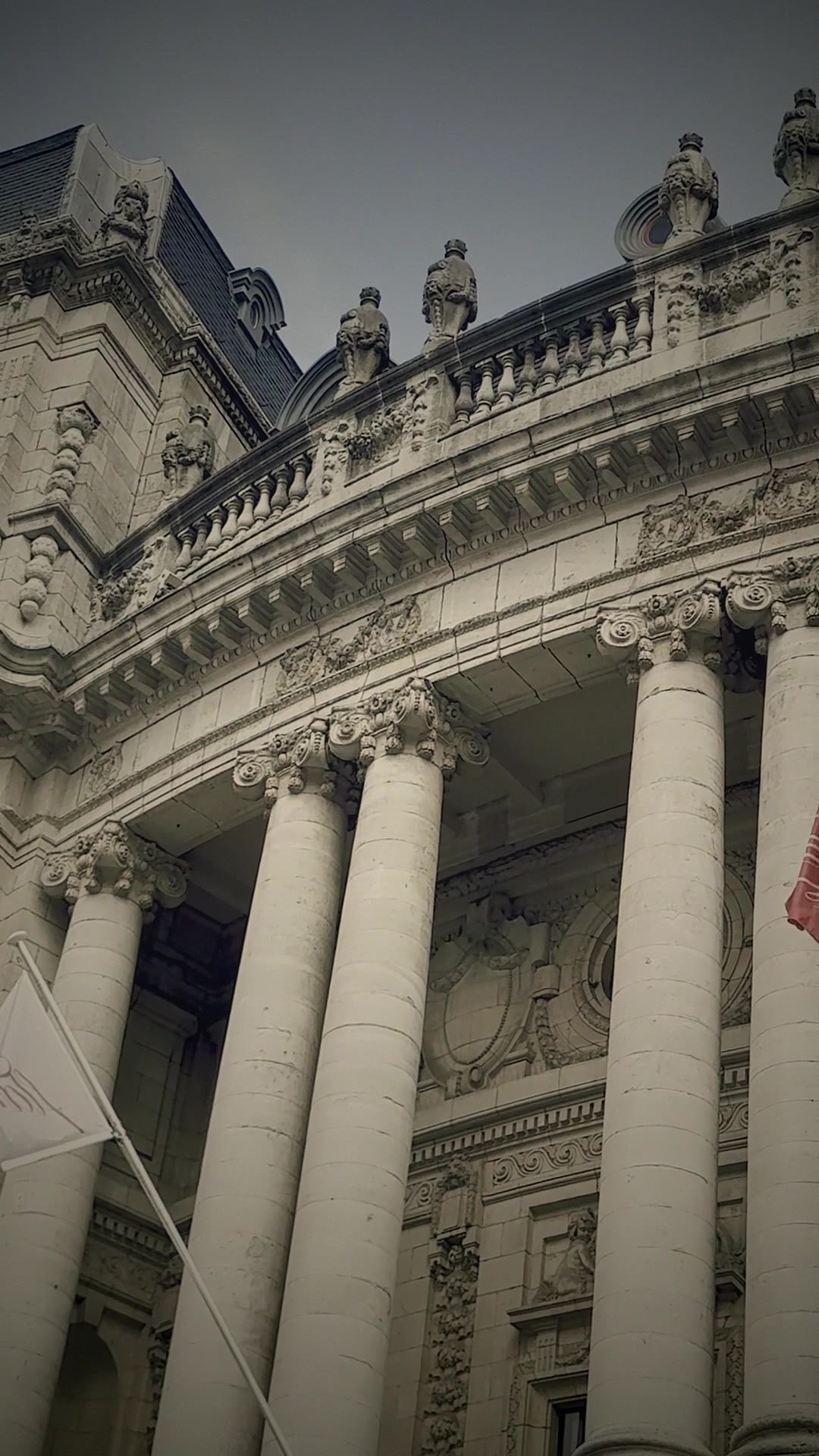
The second answer is a museum that hid its modernity inside its inheritance. The Royal Museum of Fine Arts reopened after a long restoration with a white cube set within the old neoclassical shell, a luminous modern core you cannot see from the street, folded inside the historic walls where Van Eyck and Rubens and Ensor hang. The value is interior. From the outside the building says what it always said. Within, a second building floats, sculptural and white and severe, and the two palettes stand a few steps apart, the inherited grandeur and the hidden present, value kept where only those who enter will find it.

The third is a shop that refuses to feel like one. The Ann Demeulemeester flagship stands beside the museum, black and white to the bone, her homeware in a long glass cabinet at the door, the light filtered through lightweight black curtains so that the abundance on the rails never reads as transaction. This is the city at its most withheld. Her line was always the poetry of the unsaid, the hem that trails off mid-thought, the black that is not absence but restraint made visible. The room does not sell to you. It lets you understand that you are among things that do not need to be sold.

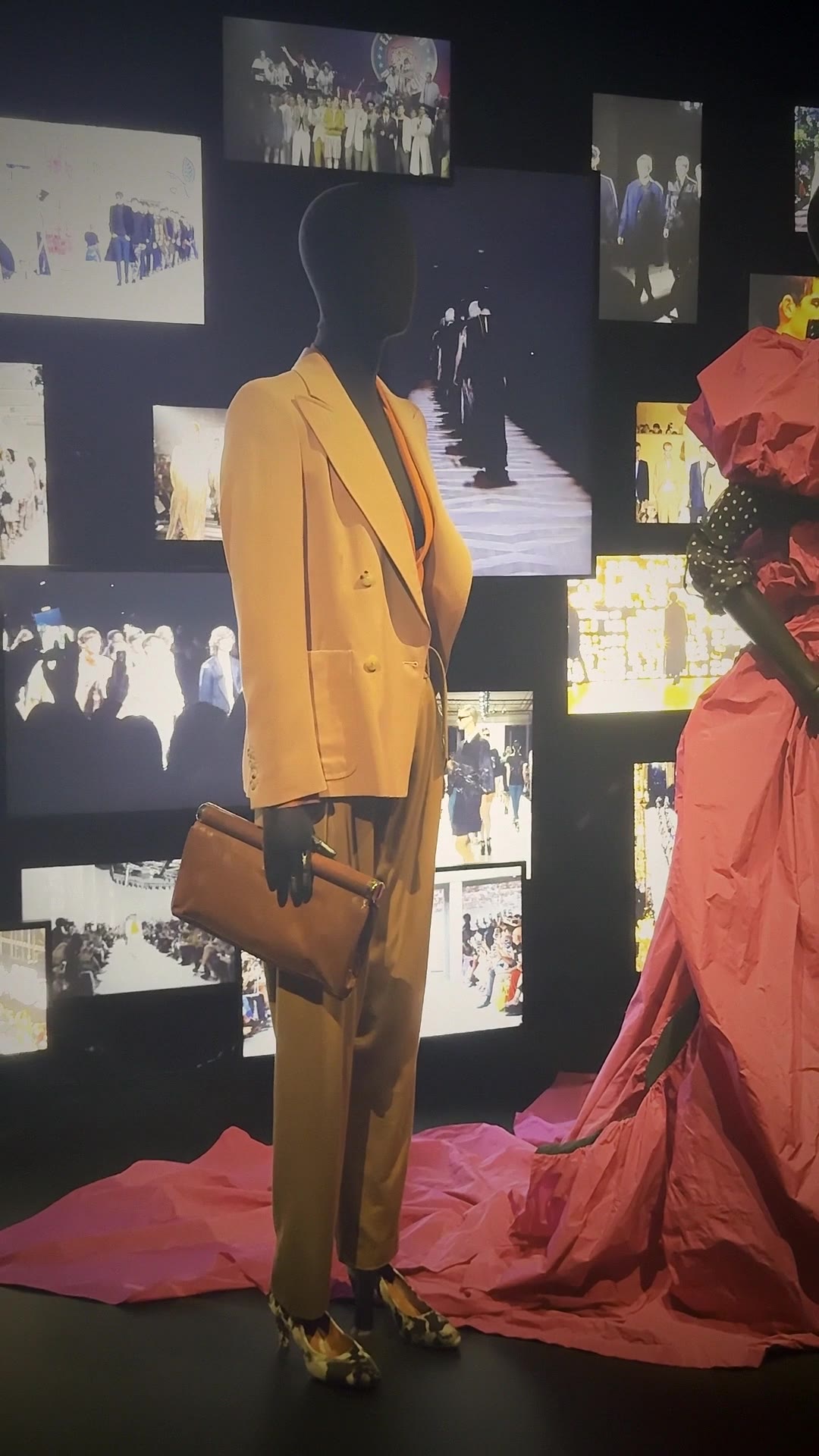
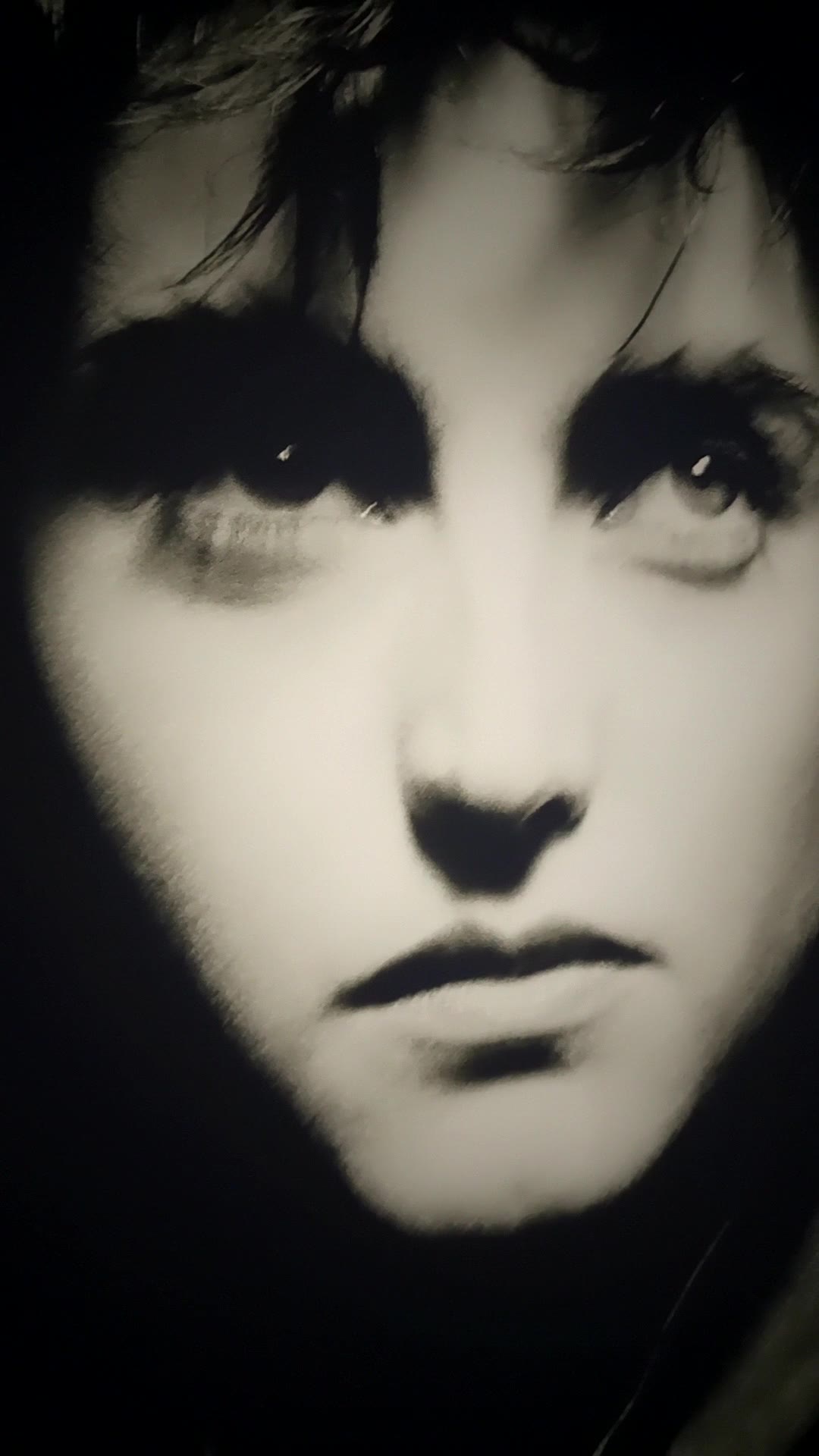
And the fourth room is not a room but the city explaining itself aloud. At the fashion museum the exhibition on the Antwerp Six gathers the six who drove a van to London in 1986 and redrew the map, and it does not flatten them into a movement. It lets each speak in a separate register, six instruments that align now and then into harmony and never lose their own timbre. The film speaks in the voices of those who were there and those who understood it, and what they describe is precisely the character one has been feeling in the streets all day, the intellect, the severity, the refusal to compromise, the naming by number. The city, for once, says the quiet part. And then, having said it, hands the argument to the one who turns it.

Because if Demeulemeester is the city at its most withheld, Van Noten is the proof that withholding was never the point. He came from three generations of Antwerp tailors and was handling cloth before he could read, and he passed under the same Academy arch as the rest, and what he took from it was not severity but government. The early work already knew this. A collection that poured Hockney across the runway, all colour and stripe and light, and it read as quiet, because the intelligence arranging it never once lost its cool. The others withhold colour to prove their discipline. He spends it, lavishly, and proves the same thing, because the spending is governed to the millimetre. A floral laid over tailoring, velvet against chiffon, a palette borrowed from Flemish painting and Bollywood in the same breath, and none of it loud. The restraint is not in the absence of the flower. It is in the hand that places it.

The building says it too. Het Modepalais on the Nationalestraat is a former department store, and he kept its bones rather than gutting them, dressing his profusion inside inherited architecture the way a garden is dressed inside the frame of a wall. Even his most abundant frame is an act of preservation. And the abundance was never noise. He built one of the few houses in fashion that grew without outside money, never advertised, rarely courted the influencer, and left the whole thing in 2024 with the archive complete. A lavish eye run on an austere structure. Beauty held to account.

Passing the window, Antwerp

Antwerp

The Bourla, Antwerp

The Bourla

The Antwerp Six exhibition, MoMu

MoMu · The Antwerp Six

This is where the day stops being about coolness and becomes about beauty, which was always the higher value. The black ceiling and the black curtain were only ever the discipline that makes beauty trustworthy. Van Noten is the flower that discipline was protecting all along. And the sensibility does not end in Antwerp. It leaves, decades on, for a fifteenth-century palazzo on the Grand Canal, a house its new owner saved from becoming one more luxury hotel and gave instead to craftsmanship, to other people's making, to the human dimension of the thing. The empire without investors becomes the foundation without ego. Which is another city, further along this same journey, and a thread this field trip lays down on the Nationalestraat to be picked up again later, on the water.

The last room is the quietest. In the oldest part of the heritage library the Nottebohmzaal keeps its books in a silence so complete it feels like a held breath, the shelves rising in old wood, the light low, the room asking nothing and offering everything to anyone willing to be still in it. It is restraint as intellect rather than design, the knowledge kept closed on the shelf, the wealth that does not radiate outward because it does not need to. Georg Simmel, who thought about these things, argued that true adornment is the kind that radiates from a person while remaining wholly self-contained, so that the most complete display is the one that never spends itself. He was describing, though he could not have known it, a city he never named. The book left closed. The ceiling painted black. The cut you cannot see. The label left blank.

MoMu, Antwerp

Dürer would have understood it. The man who came to the richest city in Europe and answered its splendour in the language of a receipt already knew what Antwerp has been proving for five hundred years, that restraint was never absence and never modesty. It was the most confident form of having. A wealth sure enough of itself that it never once had to be shown.

The Field Study continues

Next · Paris

Return to the route