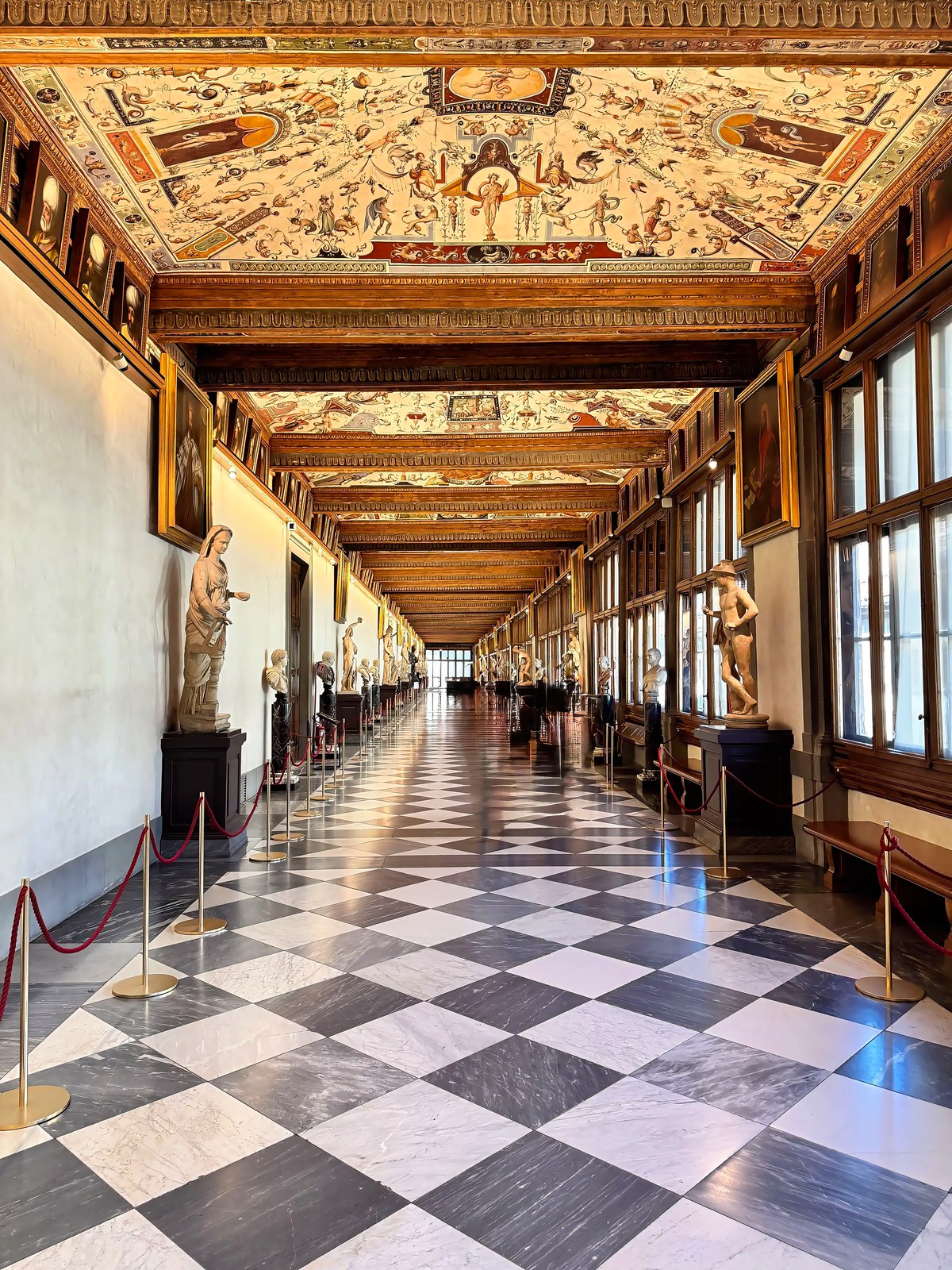
The east corridor of the Uffizi, frescoed ceiling and chequered marble floor running toward the light
Studio Cronborg · Field Notes · No. 09

The dress in the
painting is real

Florence · July 2026

Florence from the hill at Fiesole. On the city at seven in the morning, silk woven in centimetres, the dress Bronzino painted thread by thread, and the house that chose theatre in the one city that knows the difference.

Silk reaches the fingertips before it reaches the eye. Held to the light it carries two colours at once, warp and weft refusing to settle the question between them. It's the fabric that records its maker. Every thread passed by hand, every slight irregularity a signature, the whole surface a memory of touch. In Florence this has been true for seven hundred years, and Florence has never pretended otherwise.

The city at seven in the morning belongs to its own people. Espresso taken standing, two sentences of Italian at the counter, a delivery bicycle on the flagstones, no one performing anything for anyone. For an hour the original city is visible. Then the day begins and Florence resumes its other occupation, working as a reproduction of itself for the millions who arrive to photograph what they've already seen. Walter Benjamin argued that reproduction strips the original of its aura. He never watched a city undergo the stripping every morning and recover it every dawn.
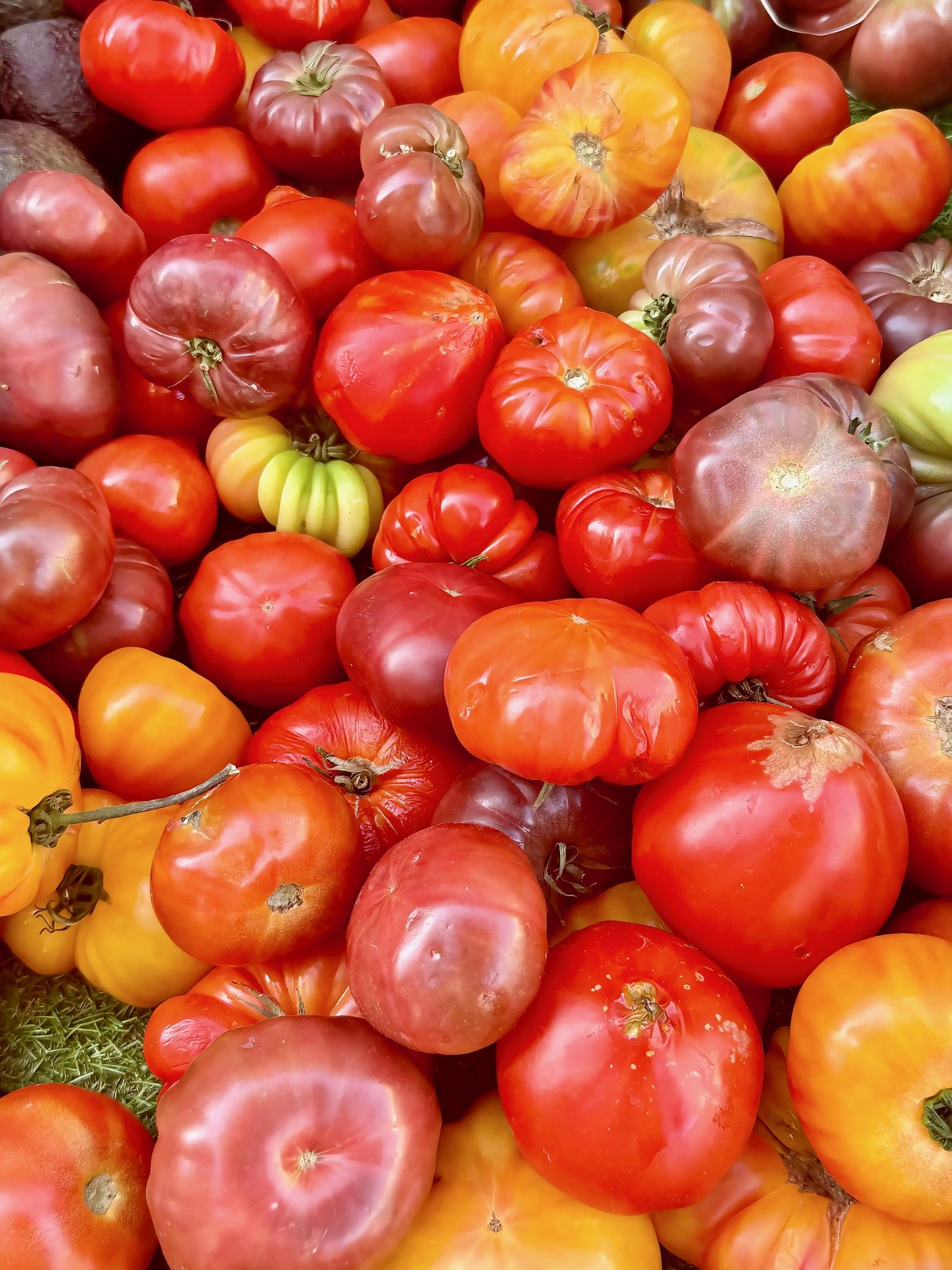
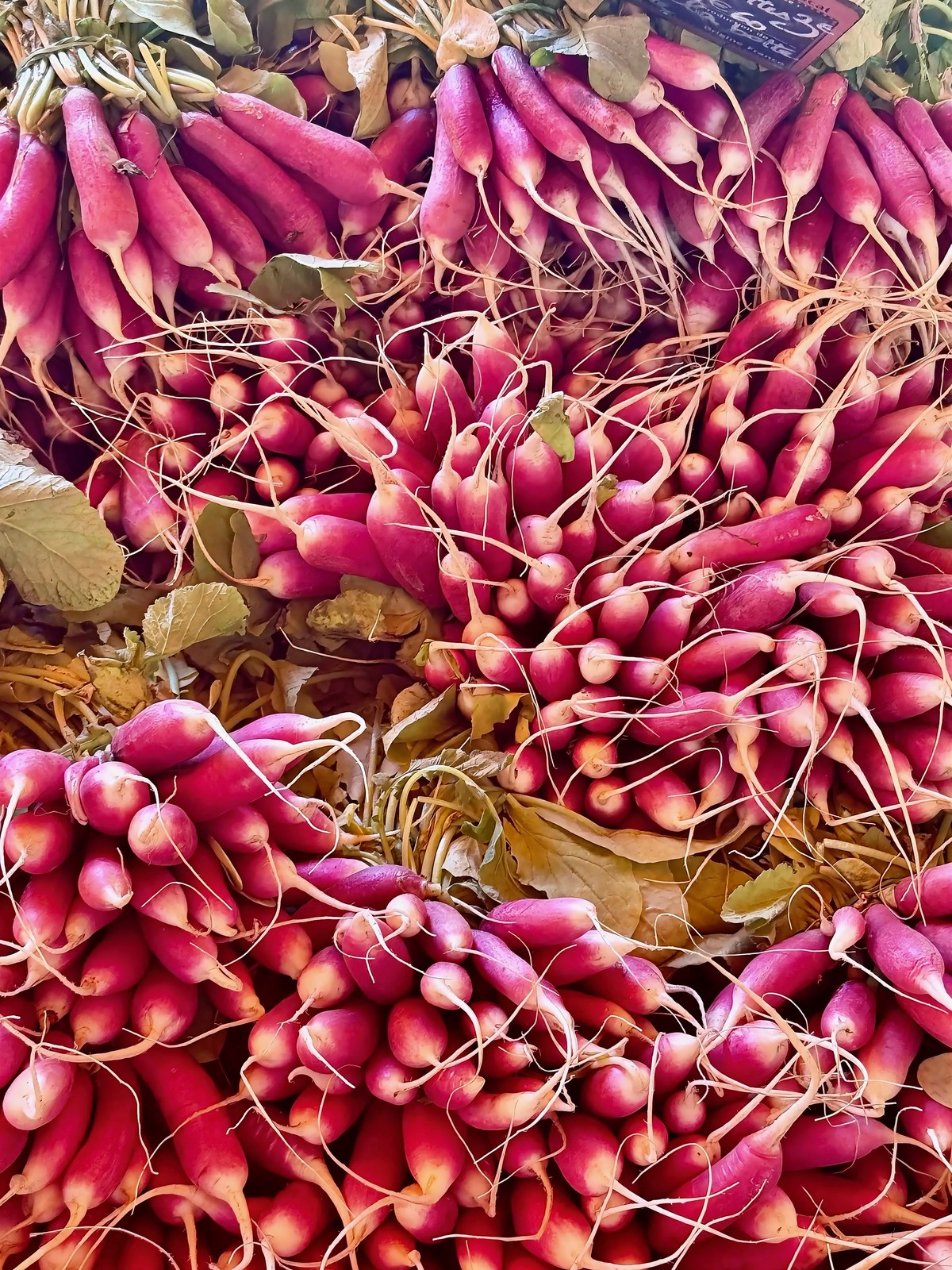
The market before eight, tomatoes and radishes stacked for the people who live here.

The hour of the original

Heirloom tomatoes heaped on a Florence market stall, red, orange and near-black
Bunches of pink radishes stacked high on a Florence market stall

The market before eight · the city its own customer

San Frediano, across the river, where the looms have run since 1786.

Centimetres a day

Across the Arno in San Frediano, behind a courtyard of banana trees, the Antico Setificio Fiorentino has been weaving since 1786. Inside, the sound arrives before the silk, a wooden percussion, looms built to Renaissance patterns still keeping their slow time. At the centre of the room a warper constructed from a drawing by Leonardo turns as it has always turned, gathering hundreds of threads into order. The weavers work close to the cloth, and the cloth comes in centimetres a day. A hand passed over the finished silk understands the price before any figure is named. The silk guild ran this city from the fourteenth century, and the workshops of the Oltrarno were never a quarter of the economy. They were the economy, and the banking fortunes that rose beside them understood their function, to convert money into permanence.

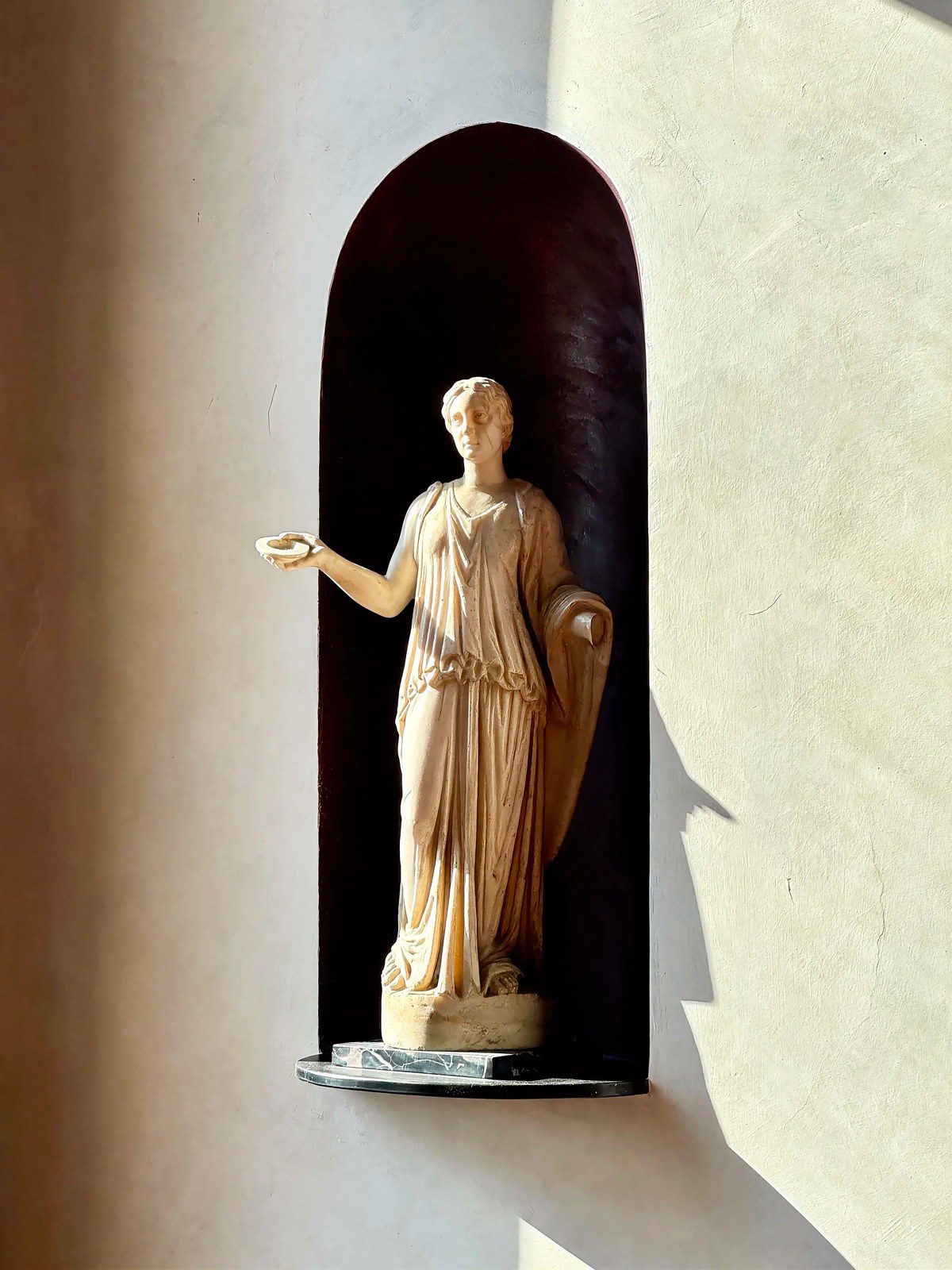
A marble figure standing in a dark arched niche, hard morning light raking the cream wall
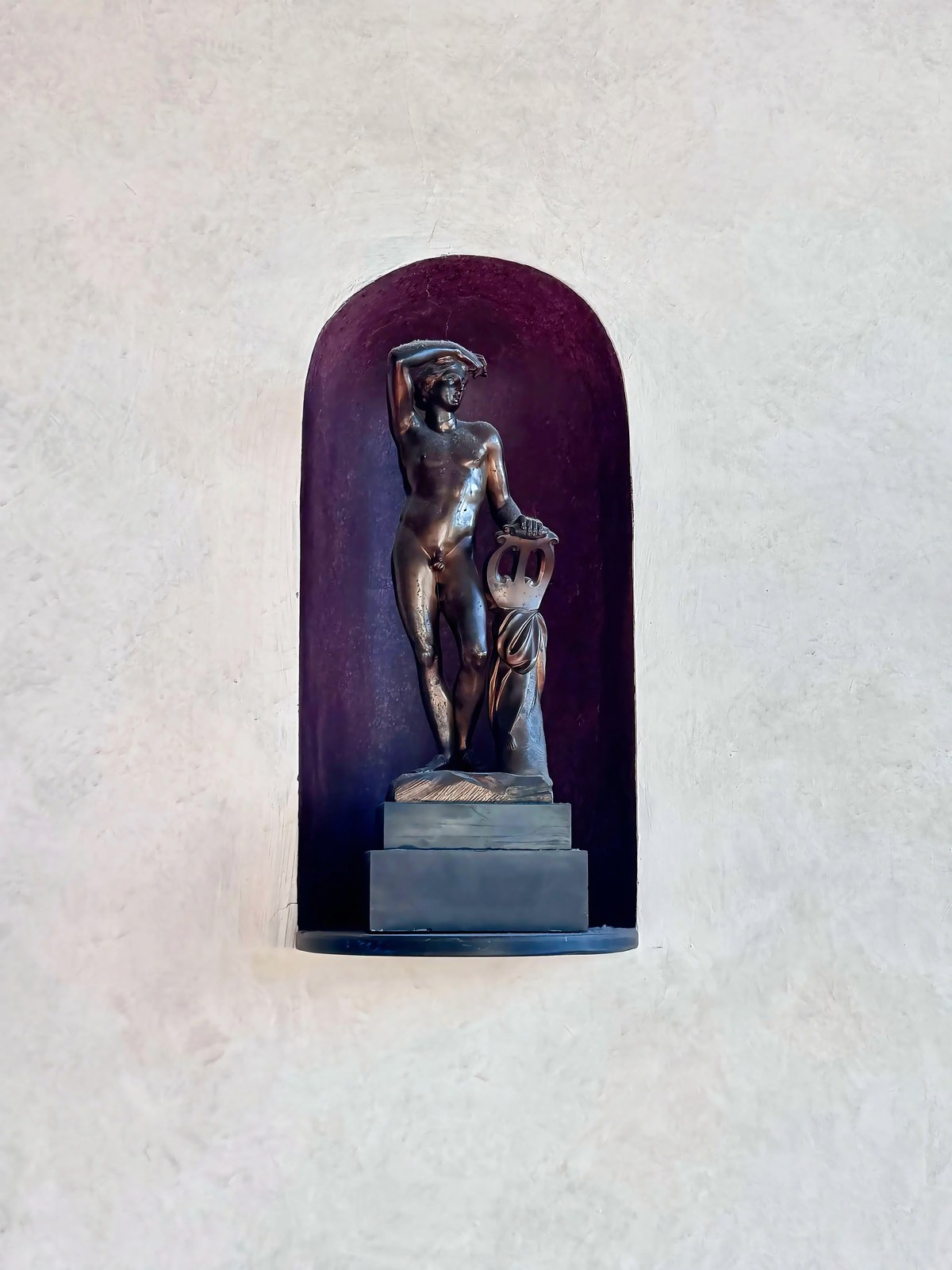
A small bronze figure in a deep red arched niche set into a pale wall

Marble and bronze in their niches. The city keeps its inhabitants where it can see them.

The Uffizi, entered early, for specific things. Giotto's Ognissanti Madonna, where the human hand first asserts itself inside the icon. The Primavera. The Medici Venus in her octagonal room. The Caravaggios. And then Bronzino's portrait of Eleonora di Toledo with her son, where the reason to stand still is the dress. Bronzino paints the brocade with more devotion than the face, every gold pomegranate rendered thread by thread, because the dress was the point. The portrait was commissioned display for Cosimo I's silk economy, the city's most important industry worn on the body of the duchess. It's the first campaign image in the history of luxury. And its referent was real. The cloth existed, the looms existed, the weavers existed. They still do. The workshop in San Frediano has rewoven that same brocade. The dress in the painting can be made today, a short walk from where it hangs, five hundred years later. Everything luxury needs to know in 2026 is contained in that sentence.

The convent at Fiesole, its gardens replanted, its lemon trees returned.

The hill at Fiesole

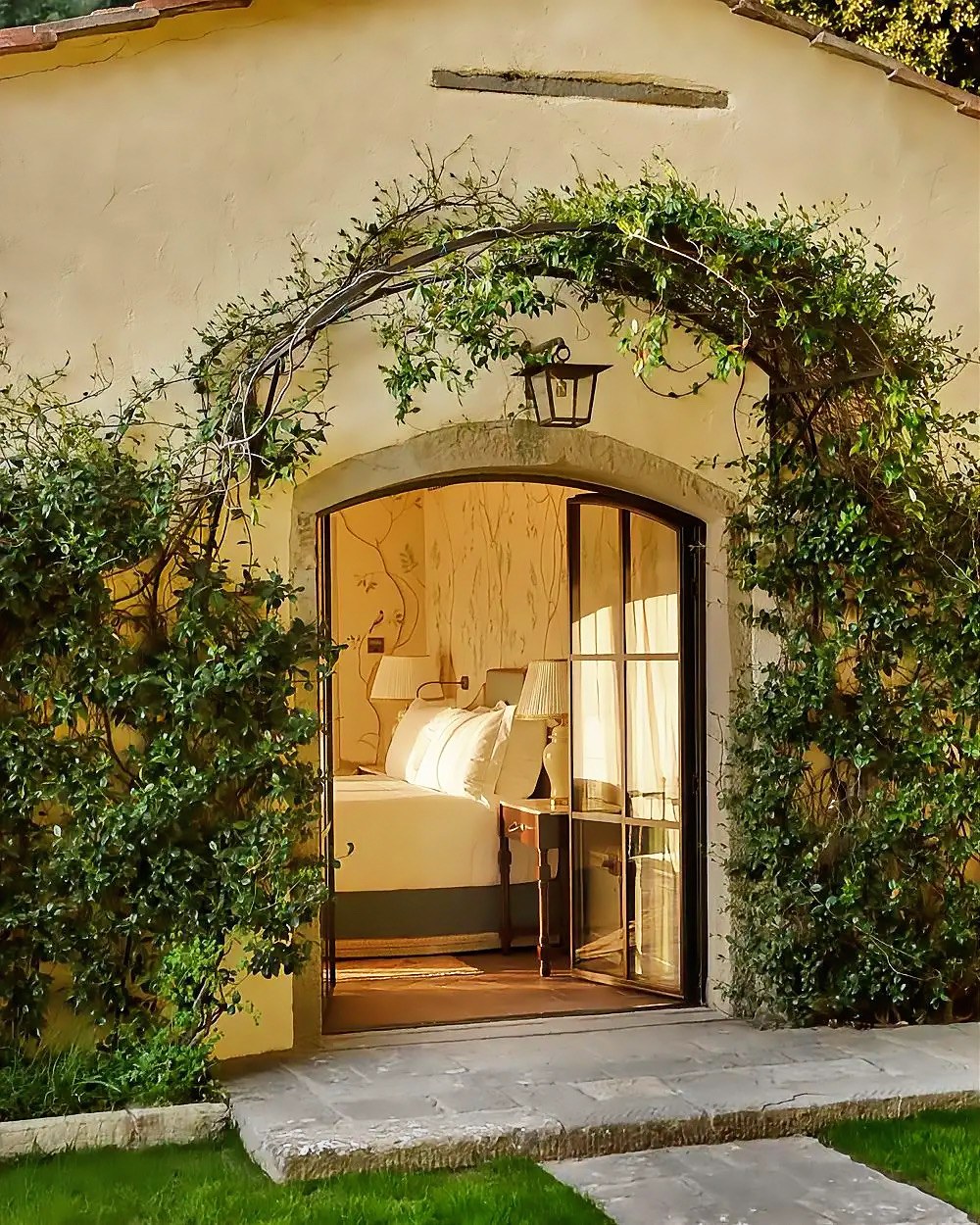
A vine-covered stone arch opening onto a lit bedroom doorway at Villa San Michele
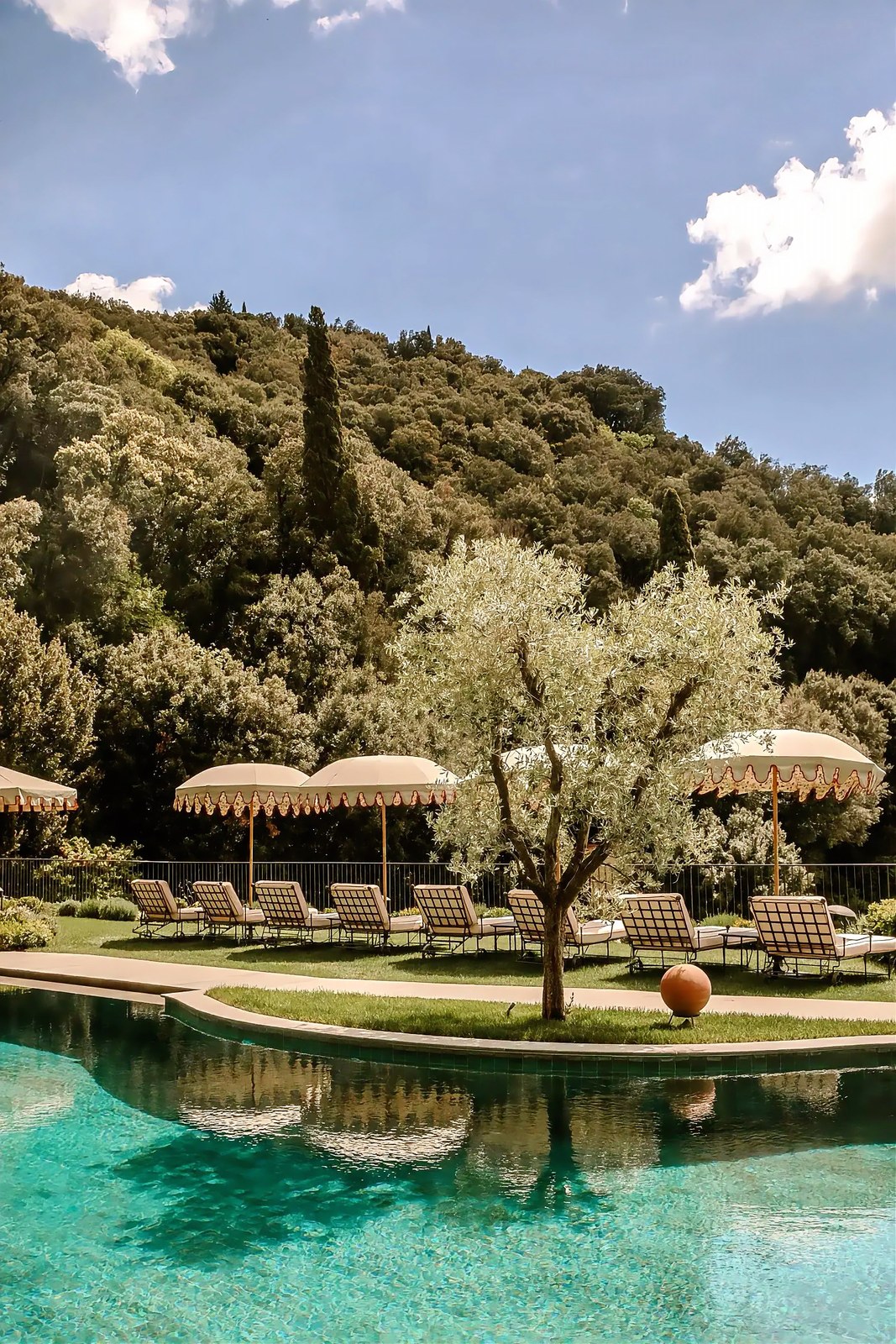
A pool below fringed parasols and an olive tree on the wooded hillside at Fiesole
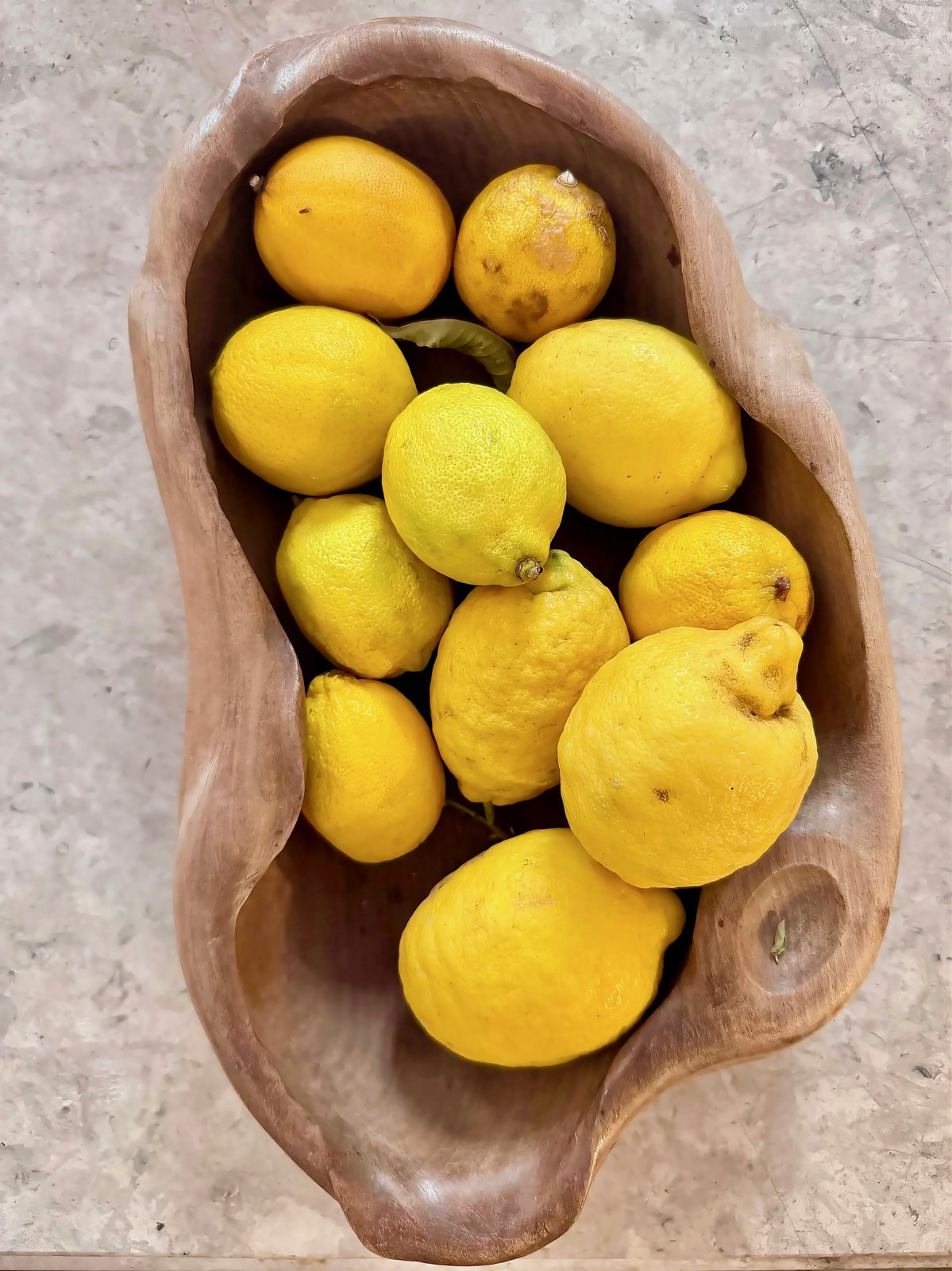
Lemons heaped in a carved wooden bowl on pale stone

The convent above the city · patronage as permanence

Up at Fiesole, on the hill above the city, a fifteenth-century convent with a façade attributed to Michelangelo reopened in April after eighteen months of restoration, its terraced gardens replanted, its lemon trees returned. The gesture is the same Florentine gesture. Capital converted into permanence, patronage as the durable form of wealth. The Medici invented that conversion and the city has been running on it ever since.

Palazzo Gucci on Piazza della Signoria, where the house now narrates itself in tapestry.

The tapestry and the loom

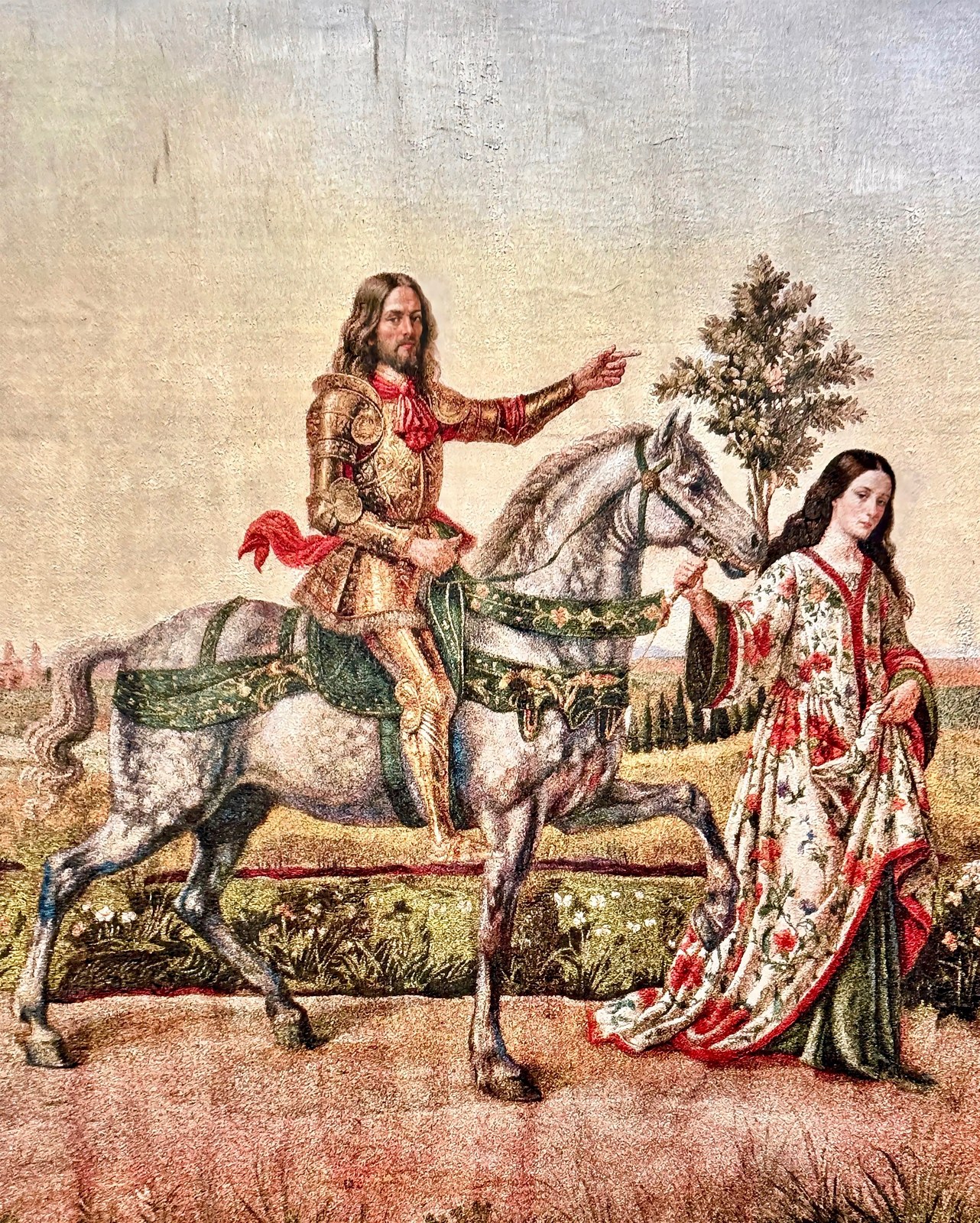
A Renaissance-styled tapestry at Gucci Storia, a mounted knight beside a woman in a Gucci floral gown
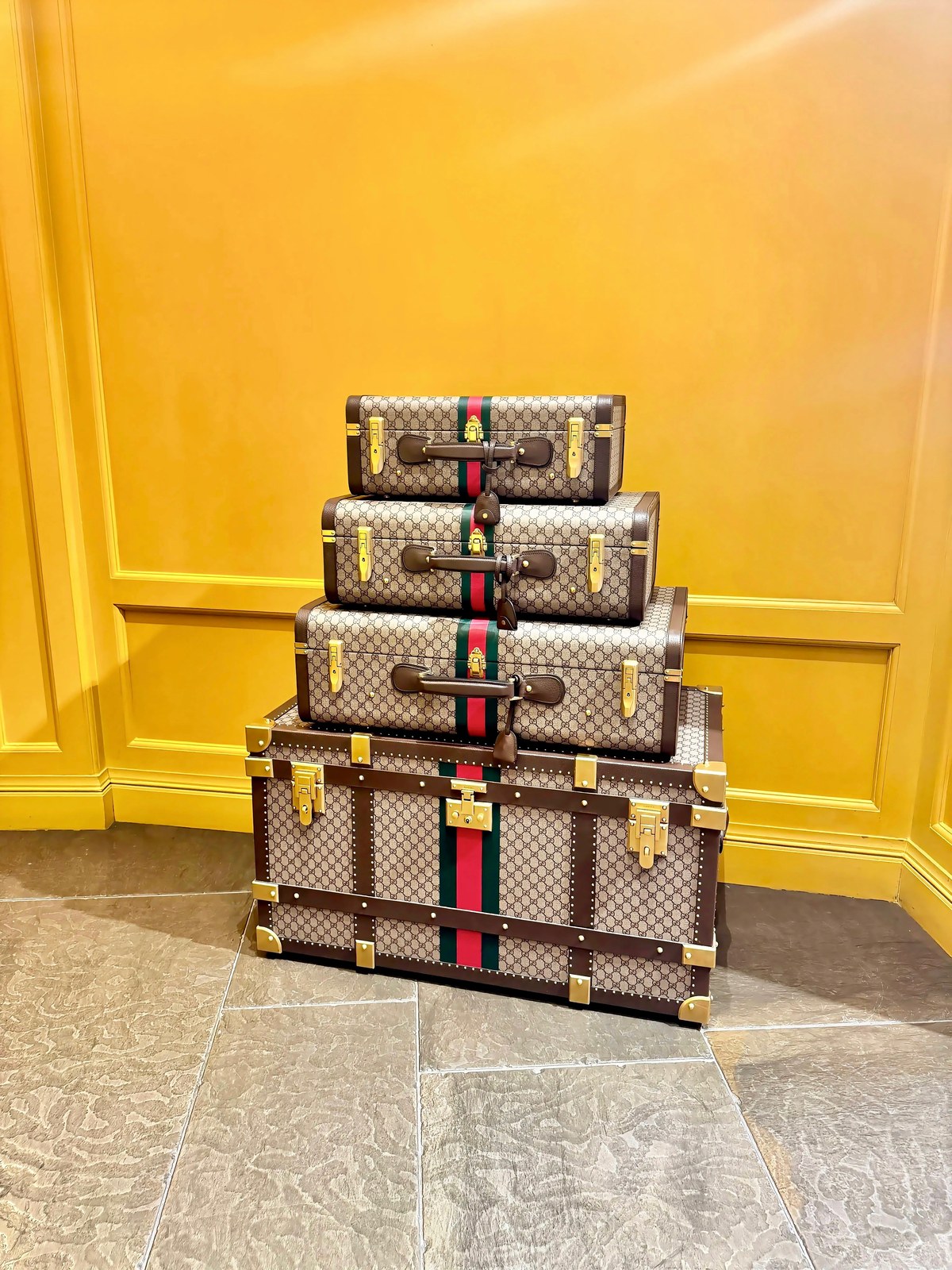
A stack of monogrammed Gucci trunks against a deep yellow wall at Palazzo Gucci

Gucci Storia · the story, woven

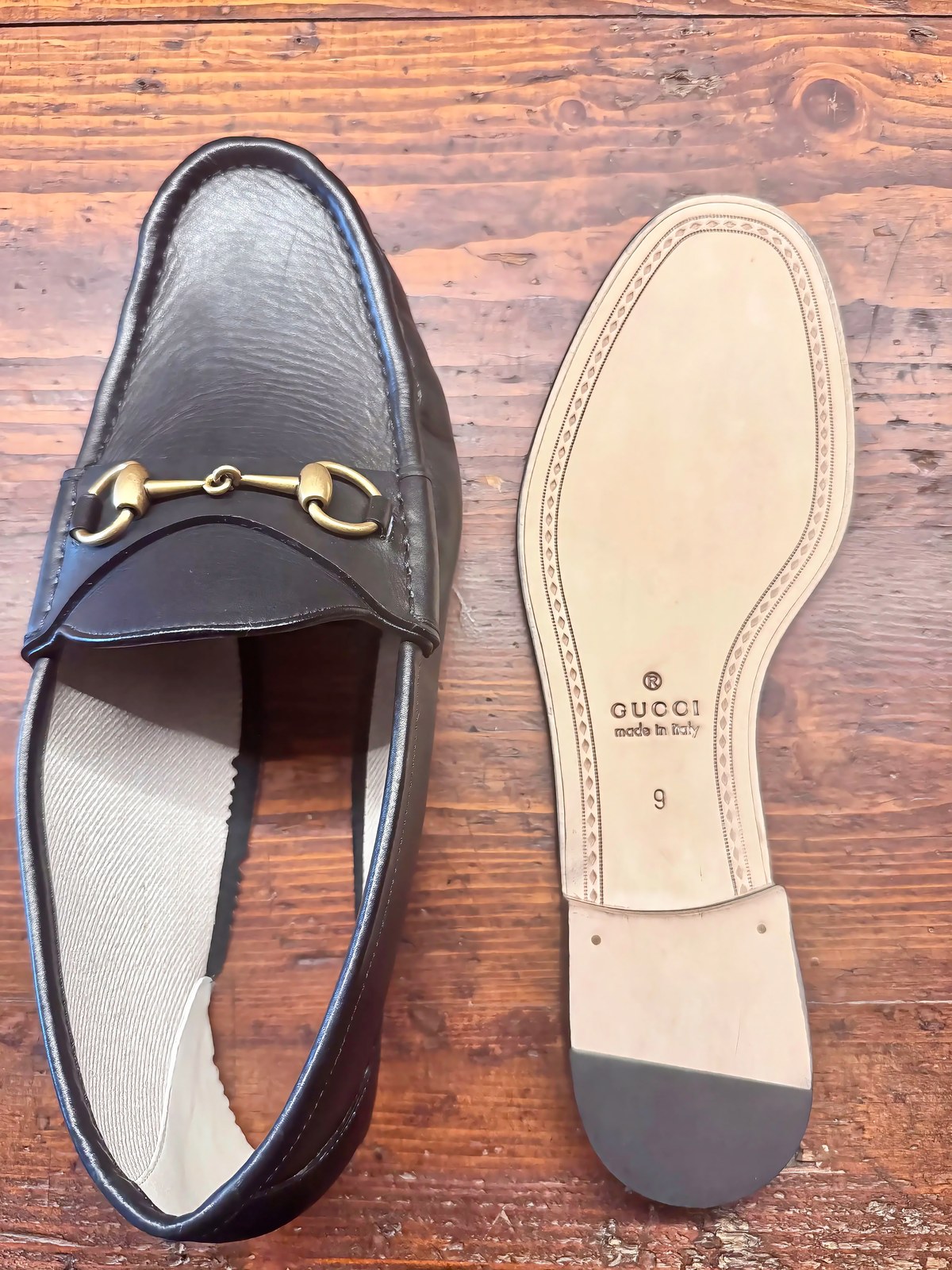
Then Palazzo Gucci. In the fourteenth-century Palazzo della Mercanzia on Piazza della Signoria, the house has replaced Gucci Garden with Gucci Storia, the first curatorial statement of the Demna era. The exhibition opens with tapestries inspired by Renaissance art, narrating a hundred and five years of house history from the Savoy to the present artistic direction. A room called La Manifattura displays archival tools beside technology from the ArtLab. It's theatre, and as theatre it's accomplished. Demna's presence is felt in every room, the staging confident, the narrative controlled. But a tapestry that tells the story of making and a loom that makes are different objects, and Florence is the one city on earth that has never confused them.

A Gucci horsebit loafer beside its stamped leather sole on a worn wooden bench

La Manifattura · the archive shown, the hands elsewhere

Rebecca Arnold draws the line between glamour and spectacle. Glamour enchants and admits you. Spectacle performs and keeps you in your seat. Gucci Storia is spectacle, staged in the city that invented the other thing, at the exact moment the market is repricing luxury around the maker's hand. The houses gaining ground now are the ones that can prove the hand. A tapestry about craftsmanship, in Florence, reads as an admission.

The city sets its standard quietly, before the tourists wake, in centimetres of silk a day. The tapestry tells the story of the loom. Florence kept the loom.

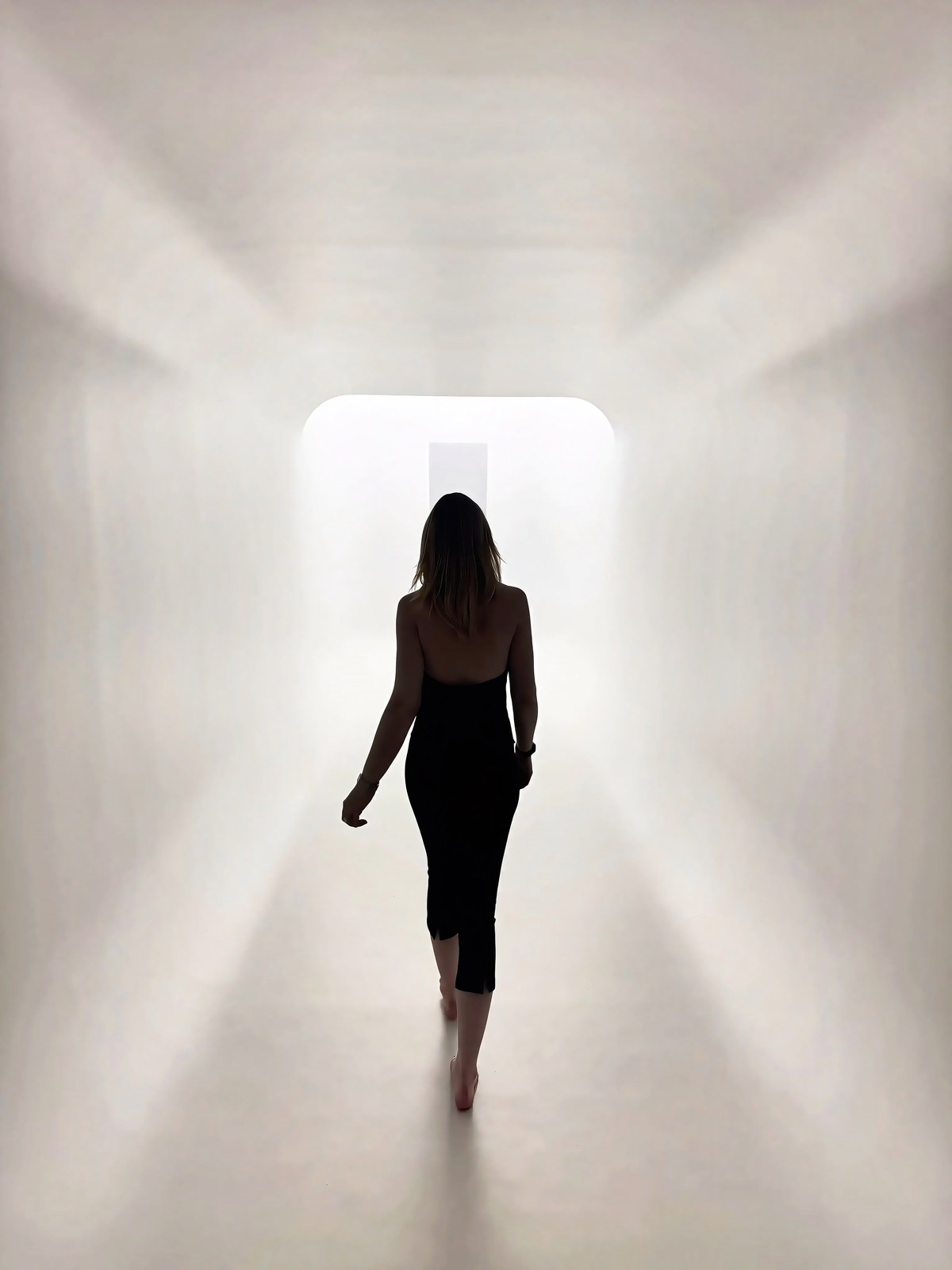
A figure in a black dress walking away down a luminous white corridor toward the light

Leaving through the white corridor, toward the light the city gets up in.

Stayed
Villa San Michele, the convent at Fiesole on the hill above Florence, reopened in April
Walked
The Oltrarno at seven, San Frediano at the looms, the river before the crowds
Saw
Giotto, the Primavera, the Medici Venus, the Caravaggios, and Eleonora's dress
Touched
Silk from looms that have run since 1786
Best hour
Seven, espresso standing, the city still its own
Season
Late July, the gardens above the city in full leaf
The Field Study continues

Florence kept the loom.

Return to the route