Studio Cronborg · Field Notes · No. 02

The place that
knows your name

Saint-Rémy-de-Provence · Alpilles

A return to Saint-Rémy-de-Provence and a room at Le Saint-Rémy, where madeleines wait at the door and we were so at home we never learned the room number. On involuntary memory, being known, and the simplicity that holds everything.

The light changes before the village does. You feel it in the car, a shift in the air through the open window, the sun going long and low across the Alpilles as they rise pale and still along the horizon. The pace drops before you have decided to slow down. Something in the body recognises the road. It's all there, and then it's all here.

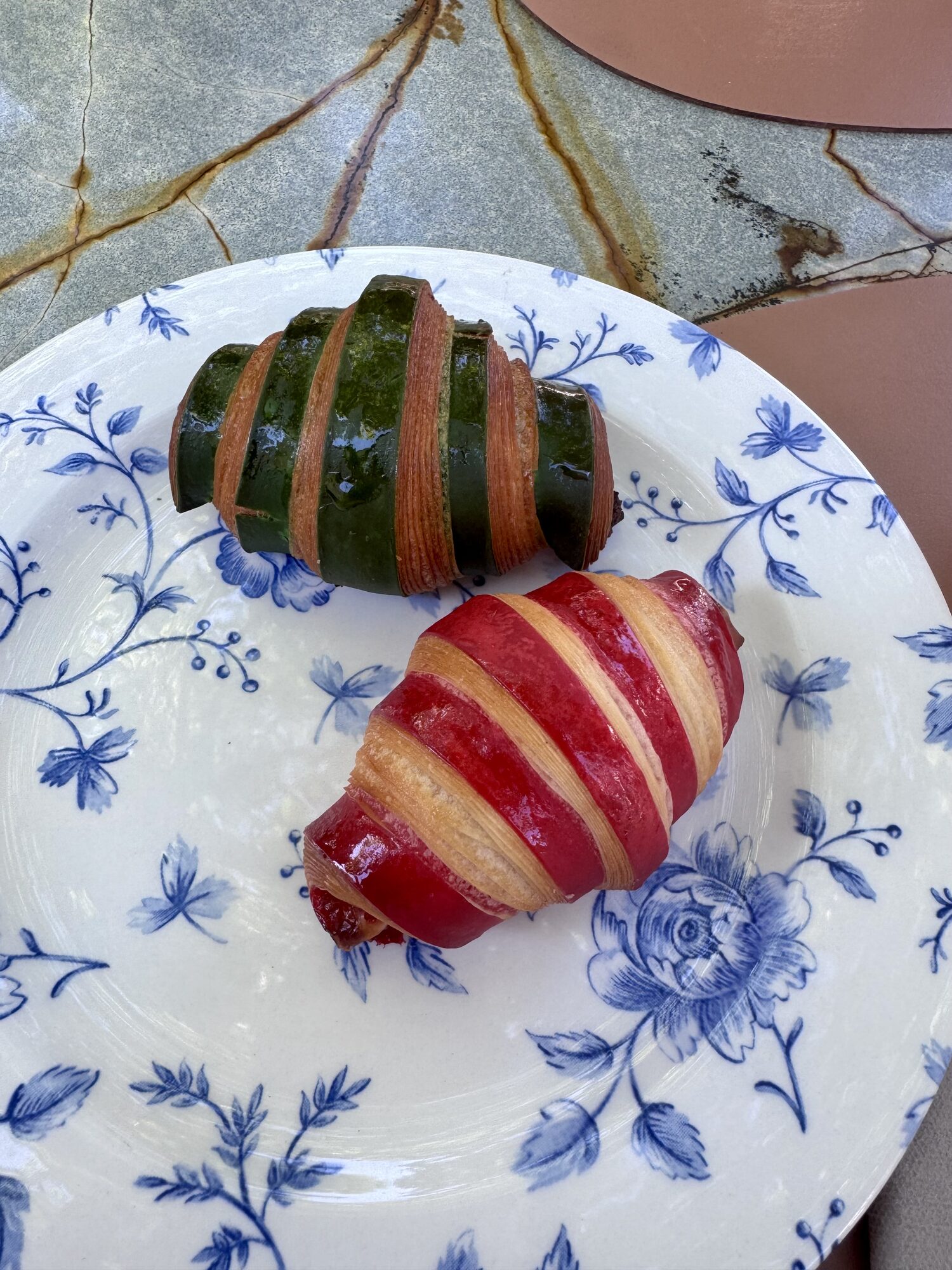
The welcome pastries on a Provençal plate, Le Saint-Rémy

The welcome, on the terrace. The calm arrives with the water and the bread.

There were madeleines waiting when we arrived. A small plate of them, plain and shell-backed and still warm, set out as if it were the most ordinary welcome in the world. It's the most literary one. I have been reading Proust this summer, the first volume, the one that turns on a madeleine dipped in tea and the whole of a lost childhood rising up out of the taste. To be handed the exact object on the threshold of a place that's already yours felt less like coincidence than recognition. The house couldn't have known, and it didn't need to. The gesture was meant, which is the only way a gesture like that works.

Because that's what this village is to me. Proust had his Combray, the town his narrator believed he had forgotten until a mouthful of cake gave it back to him entire, the streets and the gardens and the people, all of it folded into a flavour and waiting. Saint-Rémy is my Combray. I will not pretend to be neutral about it. And Le Saint-Rémy is home, which is a different claim than a good hotel, and a harder one for a hotel to earn. You do not check in to a place that's already home. You arrive. The welcome is familiar to the point of being unremarkable, which is the highest thing a welcome can be. We sit on the terrace and the calm arrives with the water and the bread. In the morning I do not know the room number, because a room number is a thing you need in a place you are only passing through.

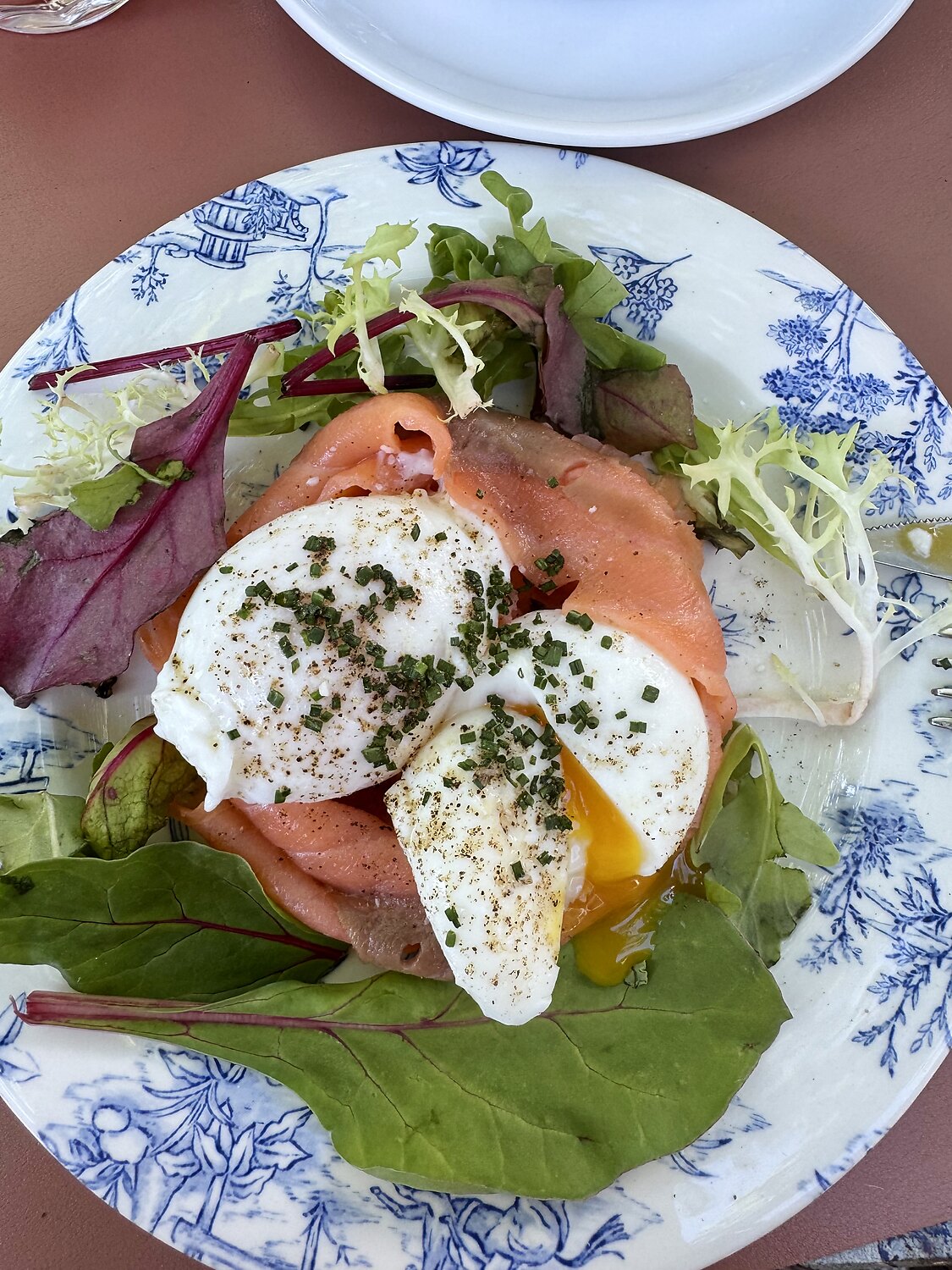
Breakfast on the terrace, Le Saint-Rémy

Le Saint-Rémy · the morning

This is the part the large houses cannot buy. Global luxury has made care into a system, trained and scripted and consistent across continents, and the system is very good. But a house of thirty rooms does something the system cannot. It knows you. The service is extended to you the way a family extends it, without announcement and without the seam showing. You stop noticing you are being looked after, and that's the point at which you are being looked after best. Being served is a transaction. Being known is a relationship. Proust understood that the deepest memory arrives unbidden, handed back by a place when it recognises you. The rarer luxury works the same way. It does not scale, which is exactly why it's worth more.

There's one more thing the house does, and it took until the second morning to name it. Nothing is ever full. You come down to breakfast at whatever hour the morning suggests and there's a table, and quiet, and room. The pool in the afternoon is the same. You're nearly always alone with the place. It isn't luck, it's arithmetic. Thirty rooms, thought through, means the house can never outnumber you. The grand resorts sell exclusivity and then make you queue for it. Here no one waits, because at home no one waits. Waiting is what you do in places that don't know you're coming.

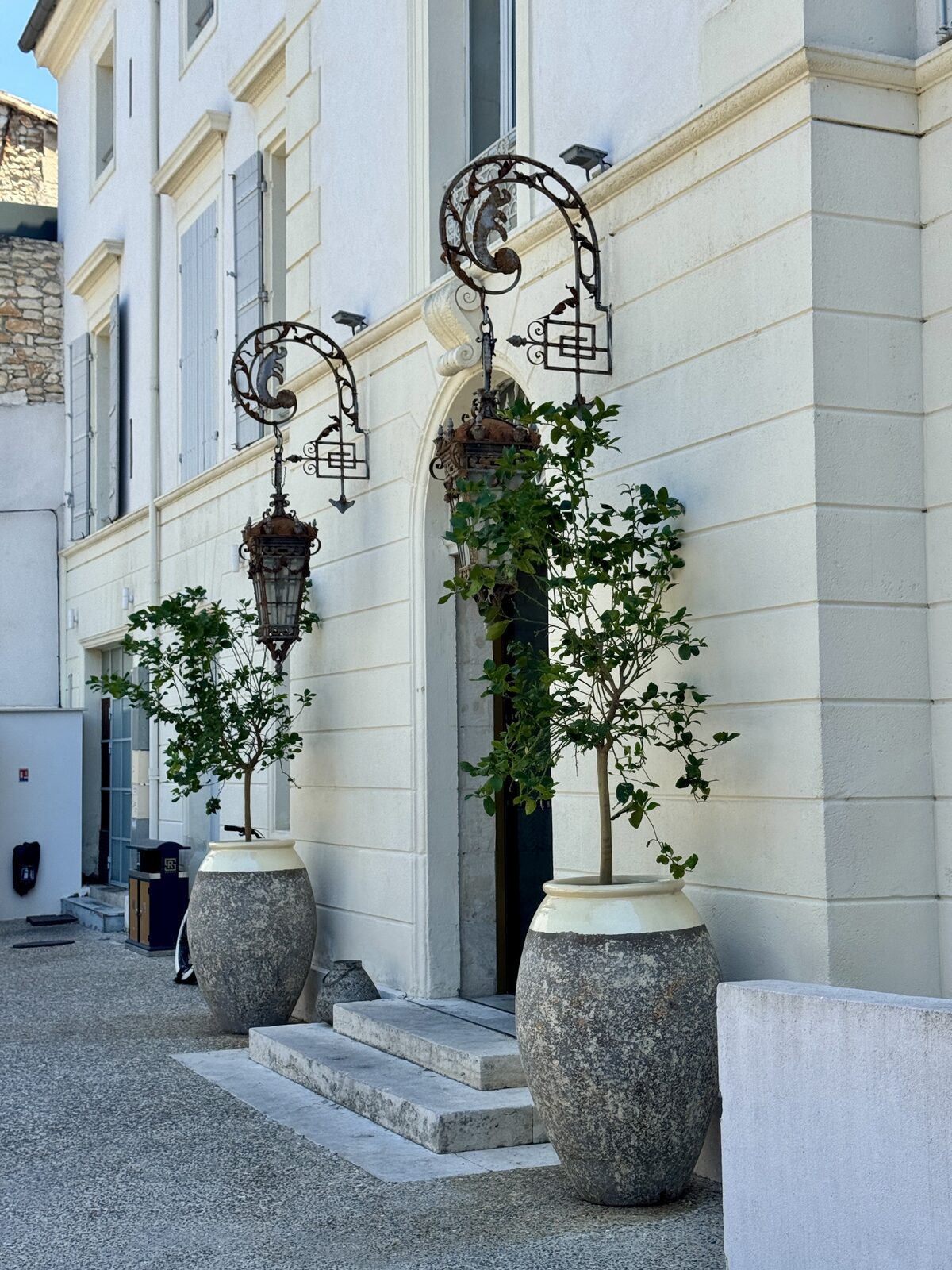
The entrance of Le Saint-Rémy, lemon trees in olive jars, no one waiting

The door, Le Saint-Rémy

The old stone, near Saint-Paul-de-Mausole

The village keeps a stillness the season never quite disturbs. Just outside it, at the old monastery where Van Gogh spent a year he could not leave, the rooms are plaster and worn wood and a quiet that sits in the air like water. He painted the olive groves and the wheat and the Alpilles from inside that confinement, and what he found there was the ordinary Provençal world, seen hard enough to become extraordinary. Simplicity, here, is luxury with nothing left to prove. It's the madeleine. The plain thing that holds everything.

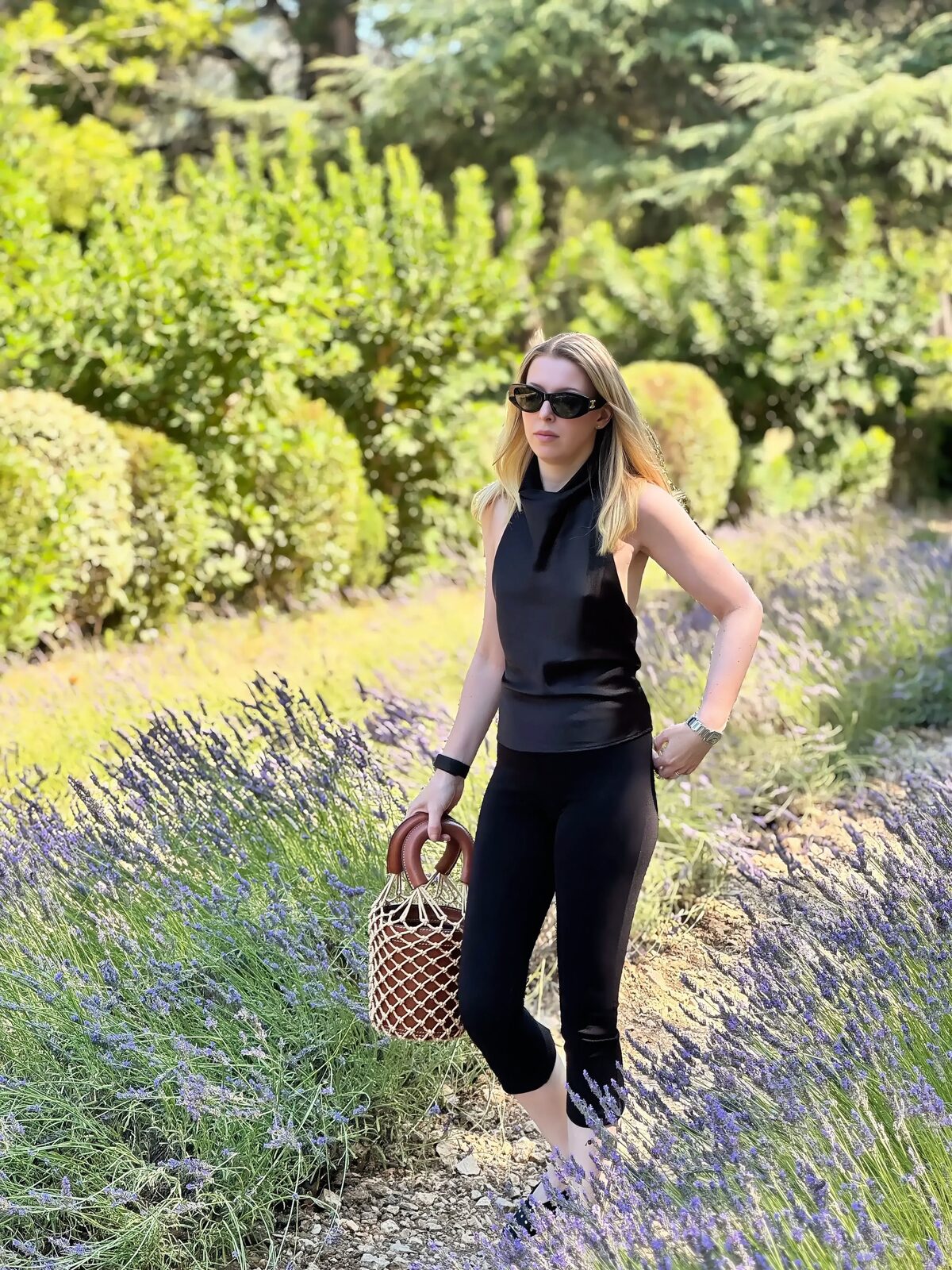
Walking the lavender rows in black, a woven basket in hand

The lavender, past noon

Olive, the same work since antiquity

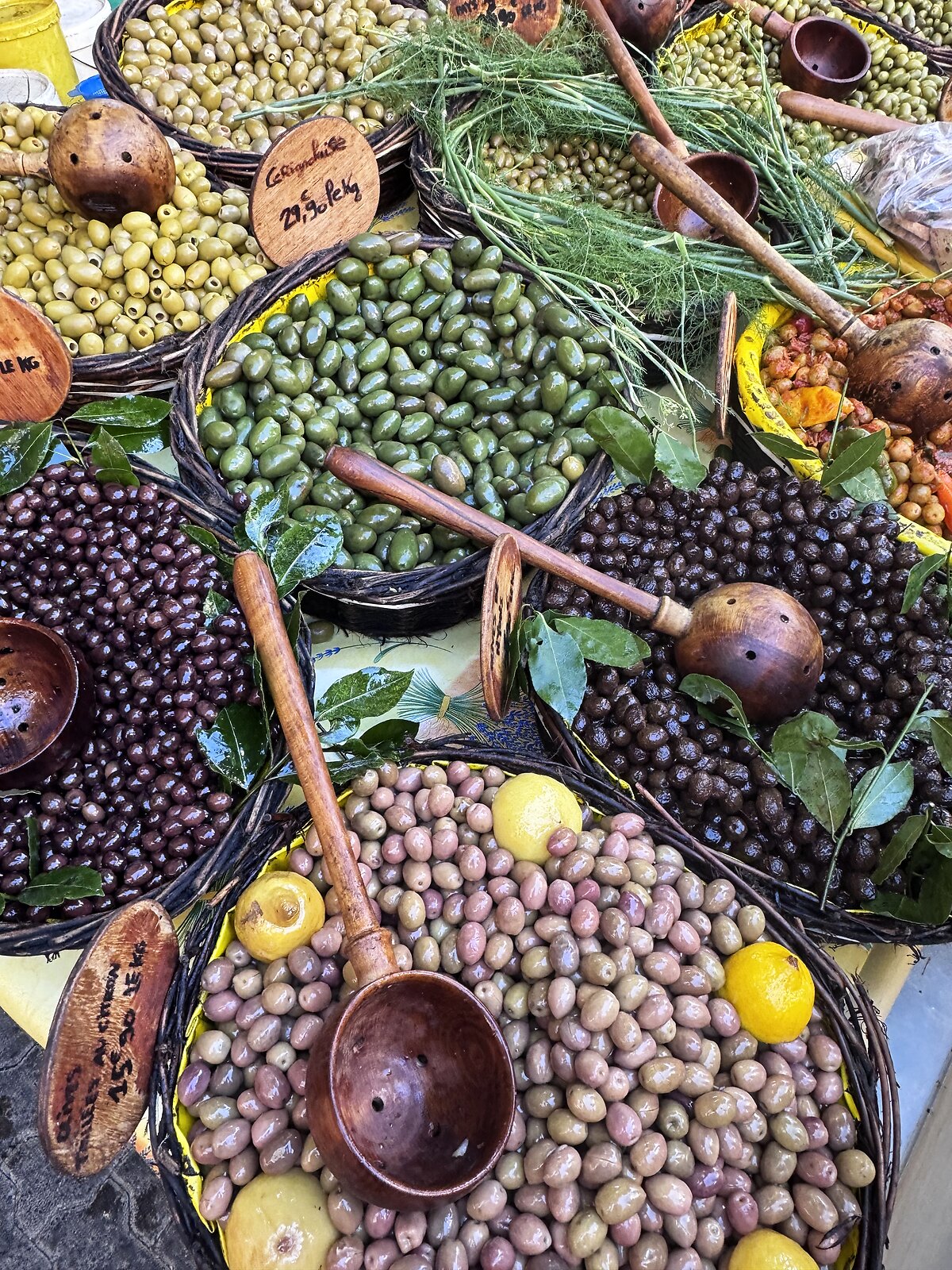
The Romans understood it first. Olive, stone, water, light. Down the road their arch and their mausoleum still stand in the grass, and the olive trees around them are the same trees, more or less, doing the same work they have done since antiquity. Provence has spent two thousand years reawakening the classical world, summoning it back through the plainest means there are. A good olive oil. Bread. A tomato that tastes of the sun that made it. The simplicity only works because everything inside it is the very best. Take the quality away and you are left with lack. Leave it in and you have the most finished thing on the table.

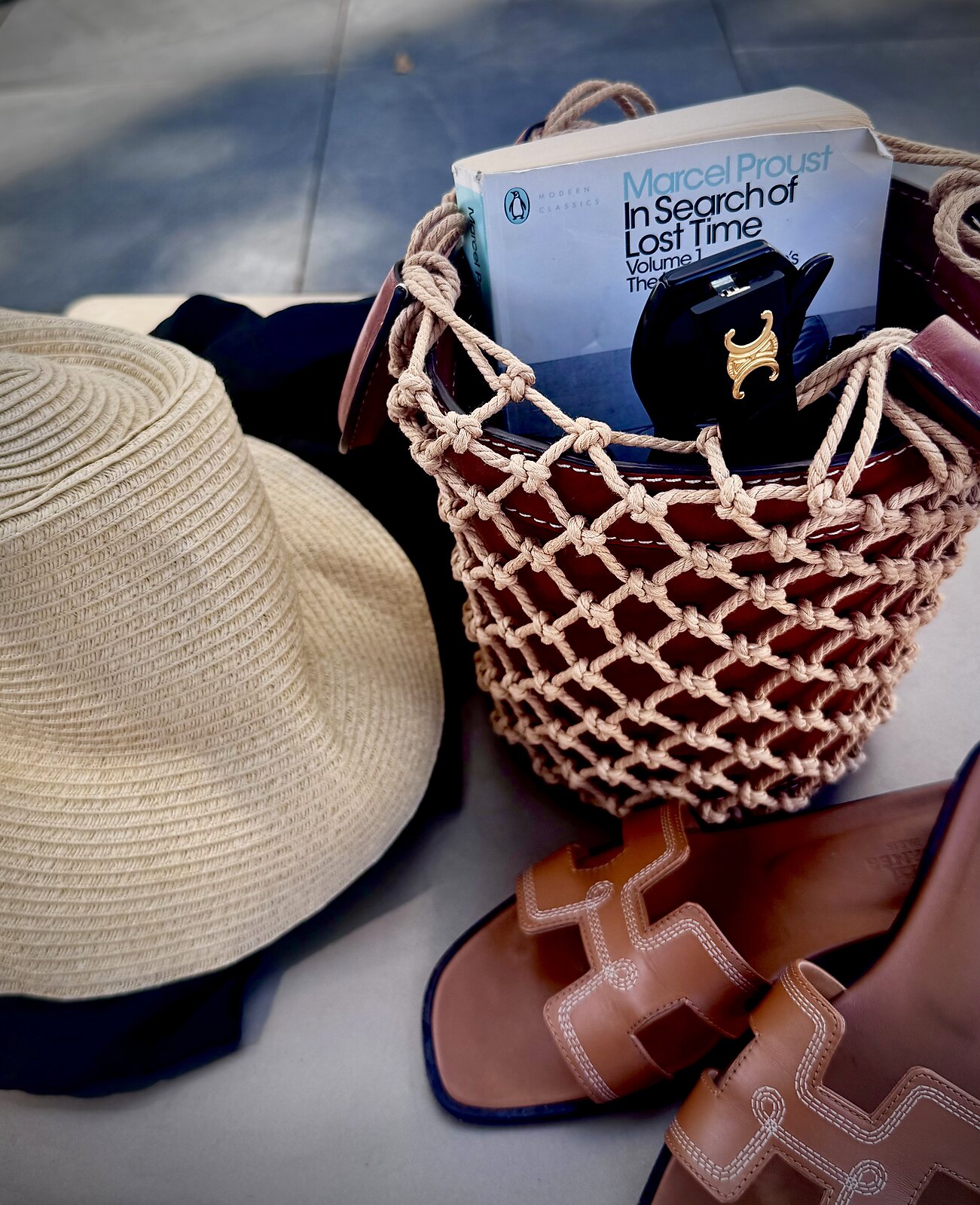
You dress for it accordingly, or you dress for nothing at all, which turns out to be the same instinct. An Hermès Oran, white linen, a woven basket. Light layers, bare where the air allows it, the grasshoppers loud in the grass past noon. There's a point in a Provençal afternoon where you understand that only the simplest and the finest is enough, that anything more would be noise, and that the two words have quietly become the same word.
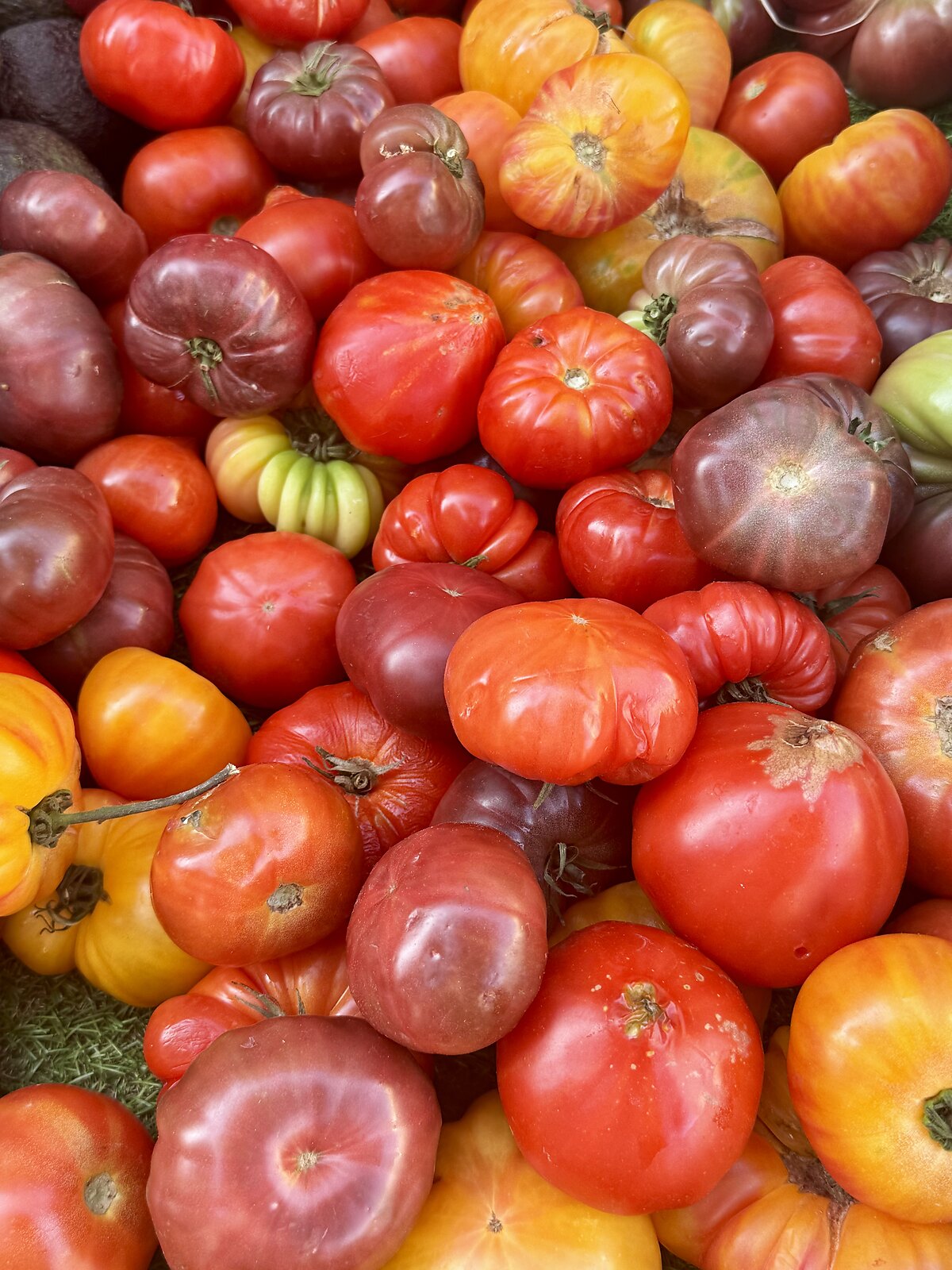
Heirloom tomatoes at the market
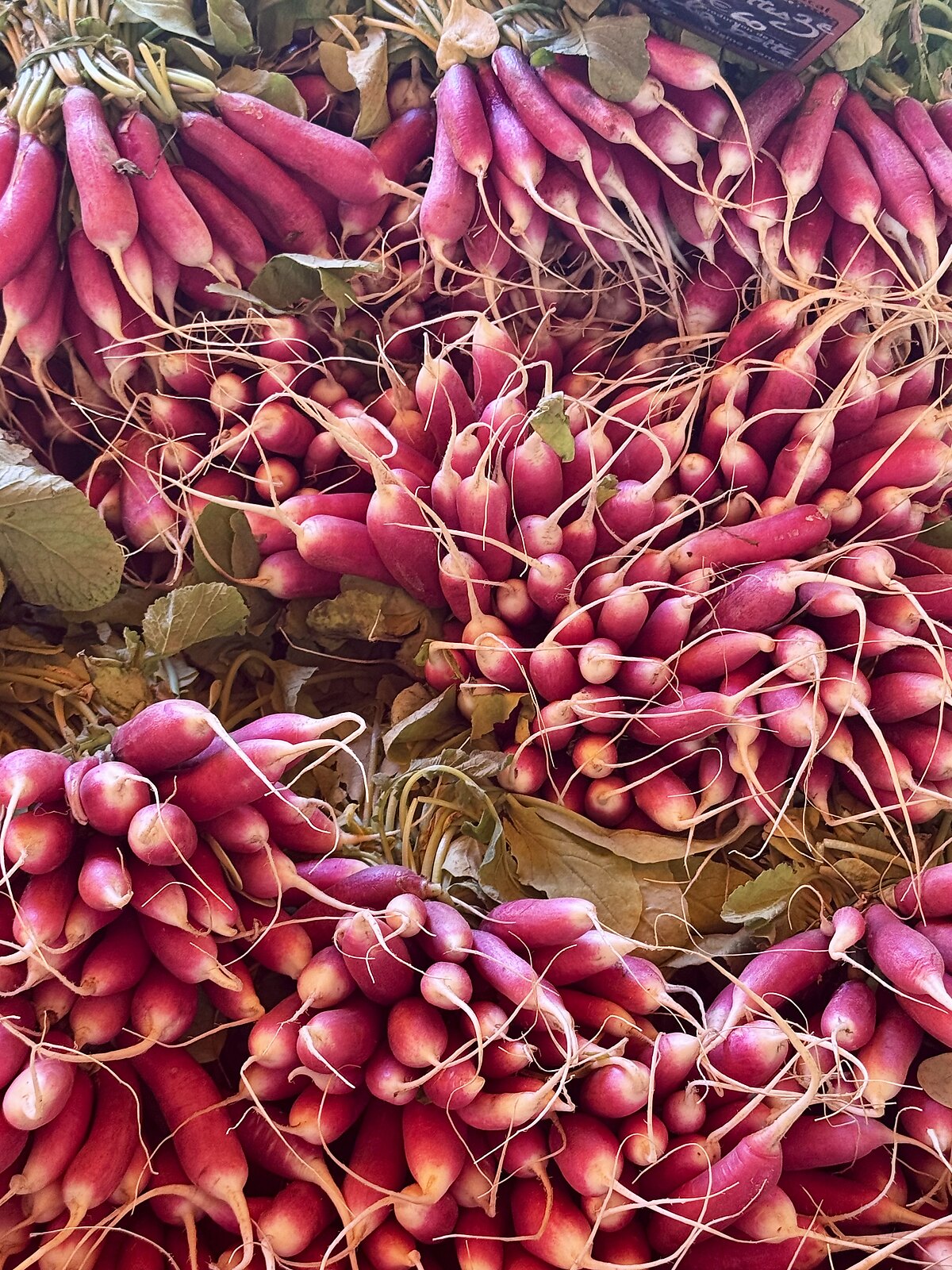
Radishes at the market
Olives and lemons at the market

The market

Proust's narrator had his ways, the walks taken from the house, each one a direction that opened into a whole world. I have mine here. In the evening the rooftop opens over the Alpilles and the valley goes gold and then blue, the hills darkening last. By day I know the village well enough to keep its smallest corners to myself, the tables worth returning to, the oysters, the shop that's only ever open when it wants to be. To belong to a place is to know its corners. Being known runs in both directions. It's what the hotel does for you, and what you have slowly done with the place.

A woven basket, white linen, the Oran, and Proust

In search of lost time

The finest care and the finest simplicity work the same way. Both remove everything that's not essential, and then they call what remains enough. At Versailles the simple had to be built, at enormous cost, by someone who could never quite reach it. Here it's only ever lived. This is the search the whole field study is really making, the one Proust named, for the time and the places we think we have lost and have only mislaid inside a taste. A madeleine at the door gives them back. The real pastoral needs no staging, and the deepest luxury in the world is to be known. To be returned, each time, to the place that knew you first.

Stayed
Le Saint-Rémy, in the heart of the village, rooftop over the Alpilles
Walked
The village and market, Saint-Paul-de-Mausole, the Roman antiquities at Glanum
Read
In Search of Lost Time, the first volume, The Way by Swann's
Best hour
Dusk on the rooftop, when the valley turns gold then blue
Season
Early July, long light, grasshoppers, dry heat
The Field Study continues

Next · Nice

Return to the route