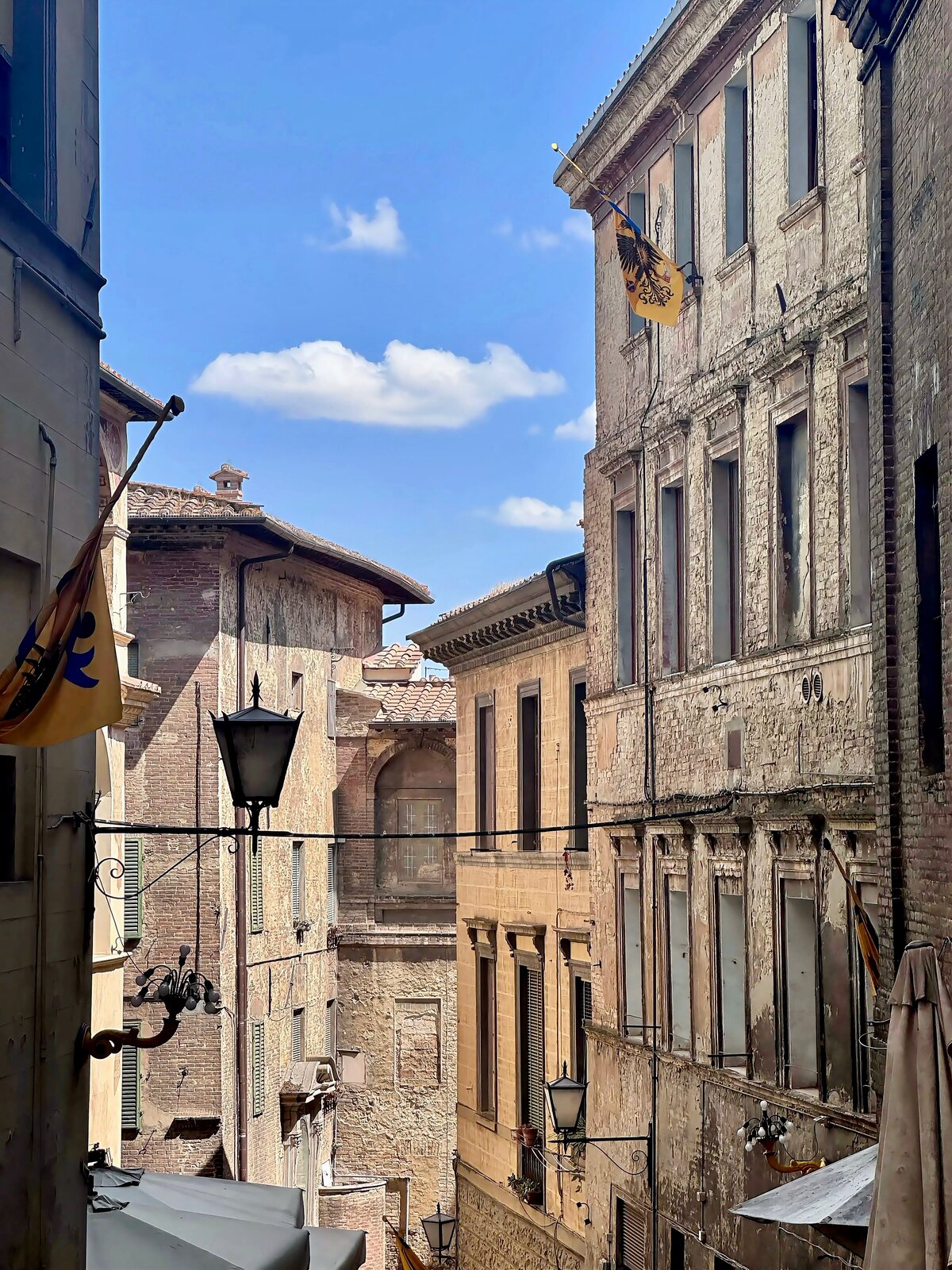
A narrow Siena street of warm stone palazzi, contrada banners strung across the canyon under a hard blue sky
Studio Cronborg · Field Notes · No. 08

The city that never
made itself available

Siena and the Senese · July 2026

Six days in the city that never modernised its social structure, driving out into the burnt Crete and the Val d'Orcia. On the floor that is kept covered, the neighbourhood you are born into and cannot join, and the cathedral built to dwarf Florence and then abandoned forever.

Siena is the only major Italian city that never gave up its old social order. The seventeen contrade are not a heritage performance staged for visitors. They are working legal bodies with their own baptisms, museums, treasuries, debts and feuds, and a person born in Siena is born into one, assigned, not chosen. This is the most interesting fact about the place and the one almost no coverage takes seriously.

Every theory of luxury assumes a market. Something is made, shown, priced and acquired, and the acquisition is the point. Access is the product. The whole apparatus, from the boutique to the members' club to the waitlist, sells the same thing in the end, which is entry. Siena is the counter-case. Its supreme objects are structurally unavailable, and their value rises exactly where access falls. The floor is hidden most of the year. The contrada cannot be bought into at any price. The great cathedral was never finished and never will be. This is the most interesting laboratory in Europe for the question of whether value needs to be available at all.
A contrada street plaque in enamel, one colour scheme meeting another at a boundary in the stone.

Assigned · not chosen

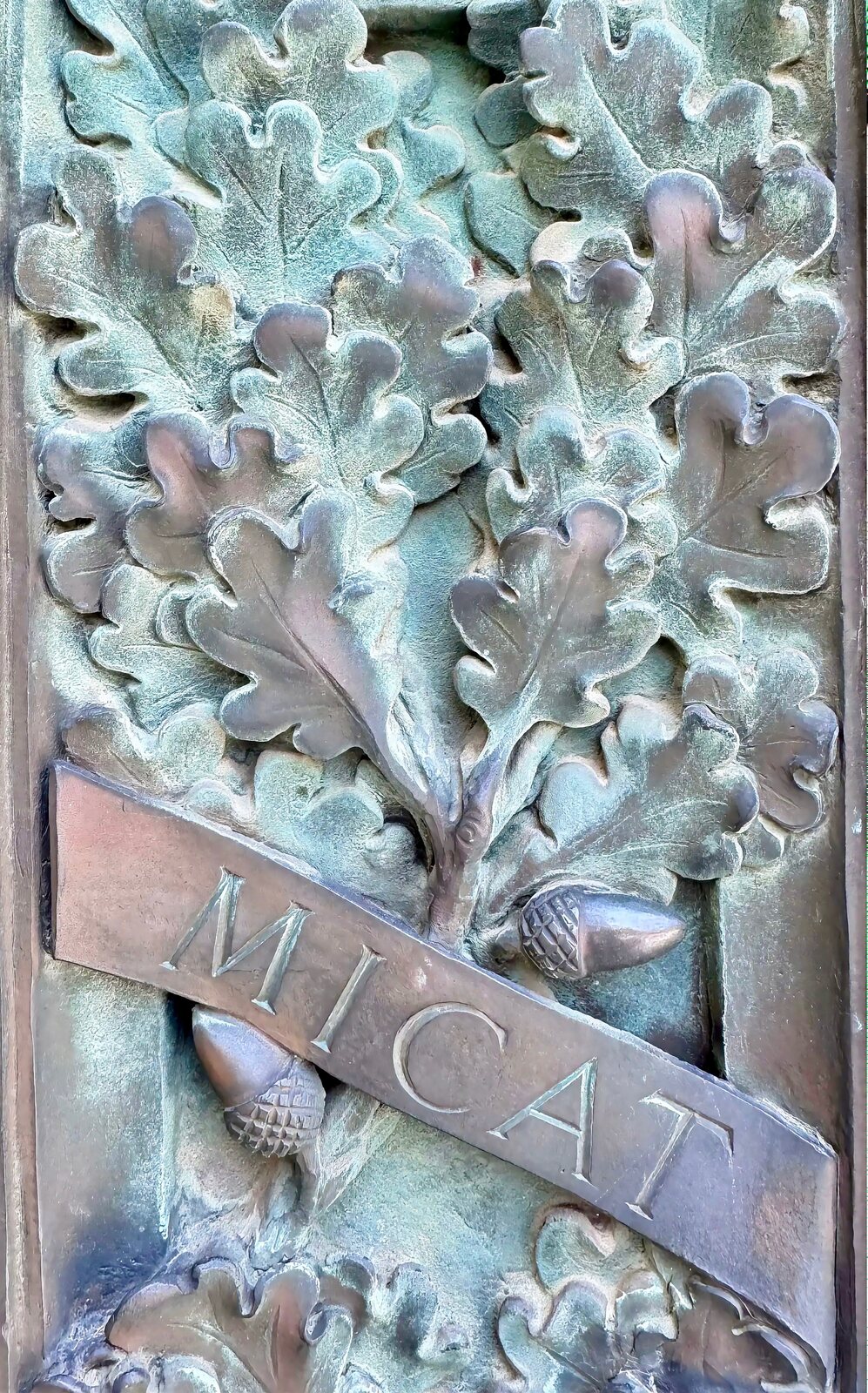
A bronze contrada plaque of oak leaves and acorns lettered MICAT, set into a Siena wall
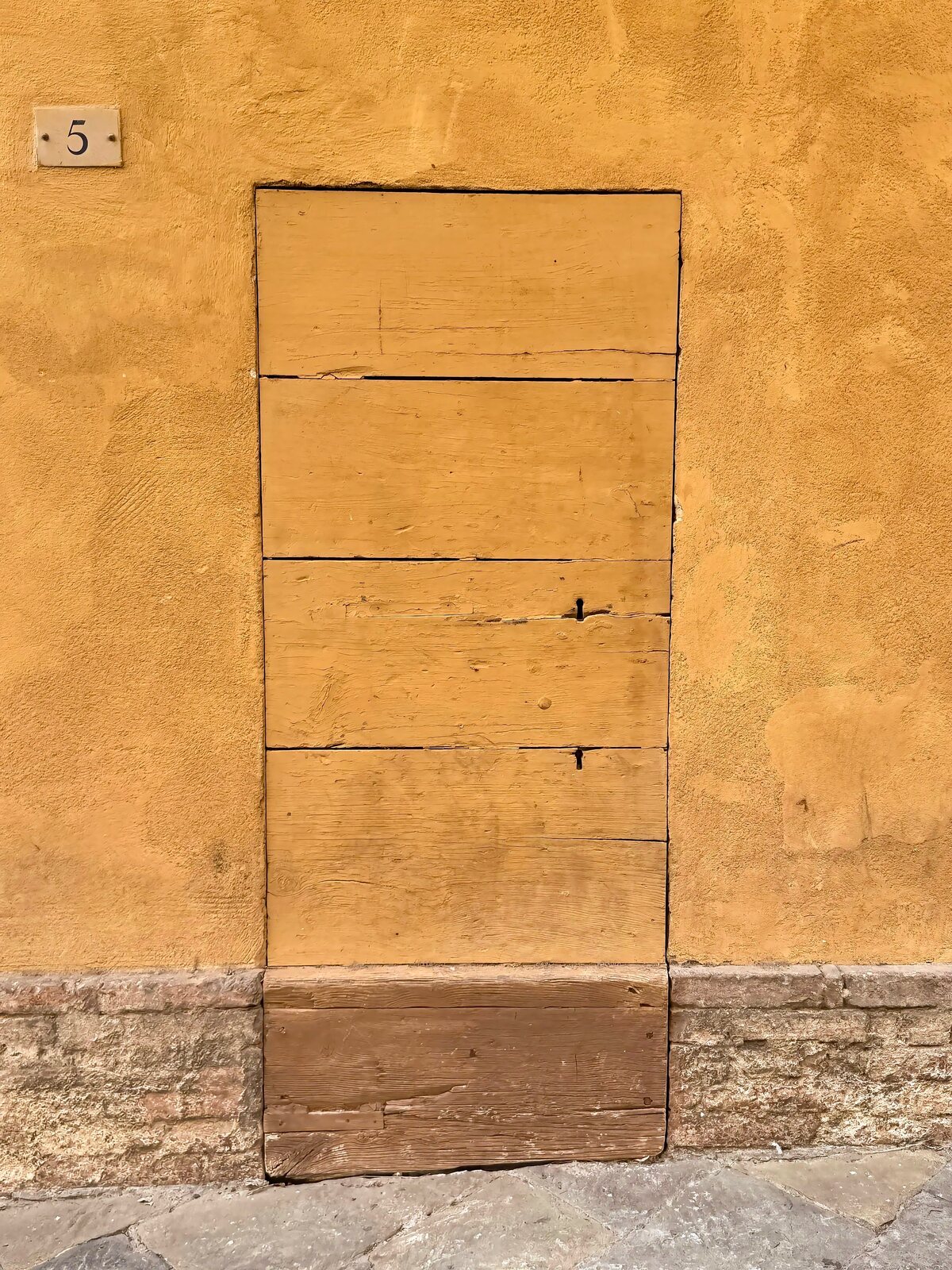
A weathered wooden door numbered five in an ochre plaster wall, Siena

The colours you inherit · the number you are born to

Start with the thing luxury spends the most to fake. Belonging to something older than yourself. Veblen read the whole leisure class as a signalling system, status bought and displayed, and a century of luxury has run on his logic, selling membership to anyone who can afford the entry price. The contrada refuses the entire mechanism. You are baptised into a neighbourhood at a fountain, you inherit its colours and its enemies, you are given a museum of its victories, and there is no membership fee because there is no membership. Nothing about it is for sale. The one form of belonging the market cannot manufacture is the one assigned at birth, and Siena has seventeen of them operating at full intensity in 2026.

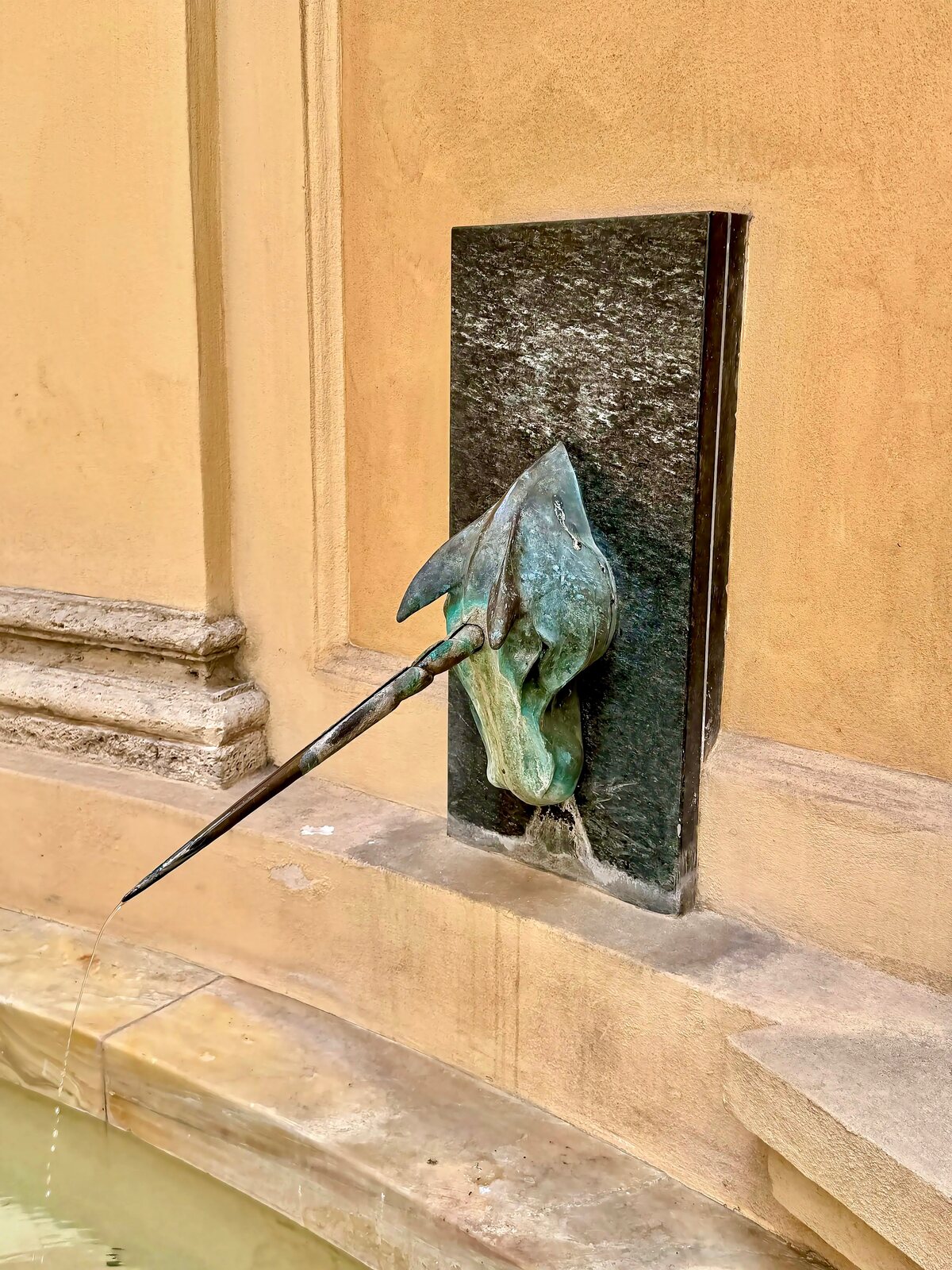
A bronze contrada fountain shaped as an animal, spouting water into a stone basin against an ochre wall

The drum, the fountain, the flag strung across a narrow street. The identity apparatus of a neighbourhood, practised between races.

The enamel plaques mark where one contrada ends and the next begins, an invisible threshold made physical in the wall. You are between Palios, which is the right time to see this rather than the wrong one. The race ran on 2 July and runs again on 16 August, and in the trough the apparatus is visible without ten thousand people standing in it. The banners are up, the drums are practised, the museums are quiet. The city's whole system of inherited belonging is on display precisely because nobody has come to watch it.

The floor that states the argument in marble, and the vault kept open above it.

The floor kept in the dark

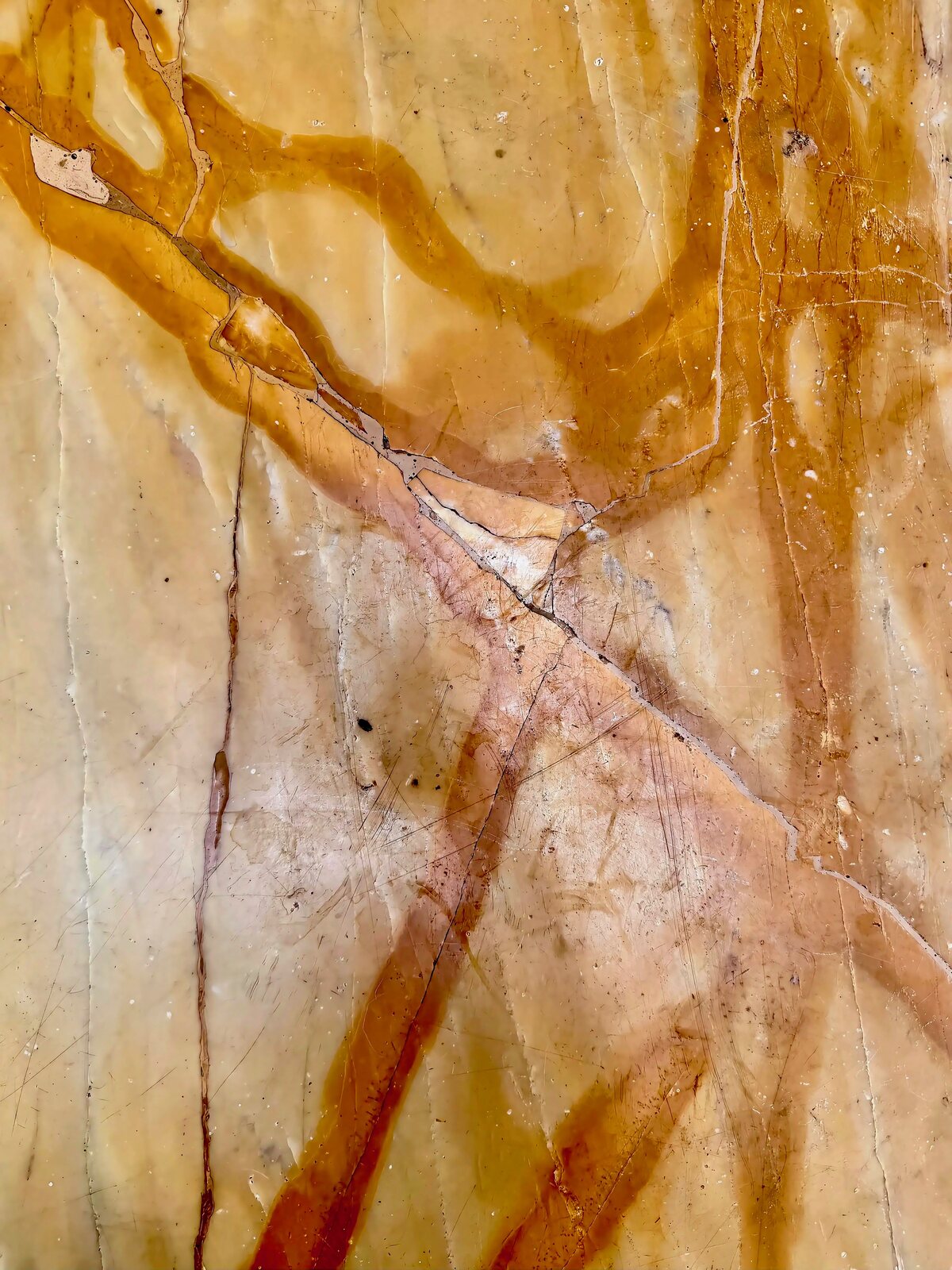
A close view of warm amber-veined marble, the surface of the Siena cathedral
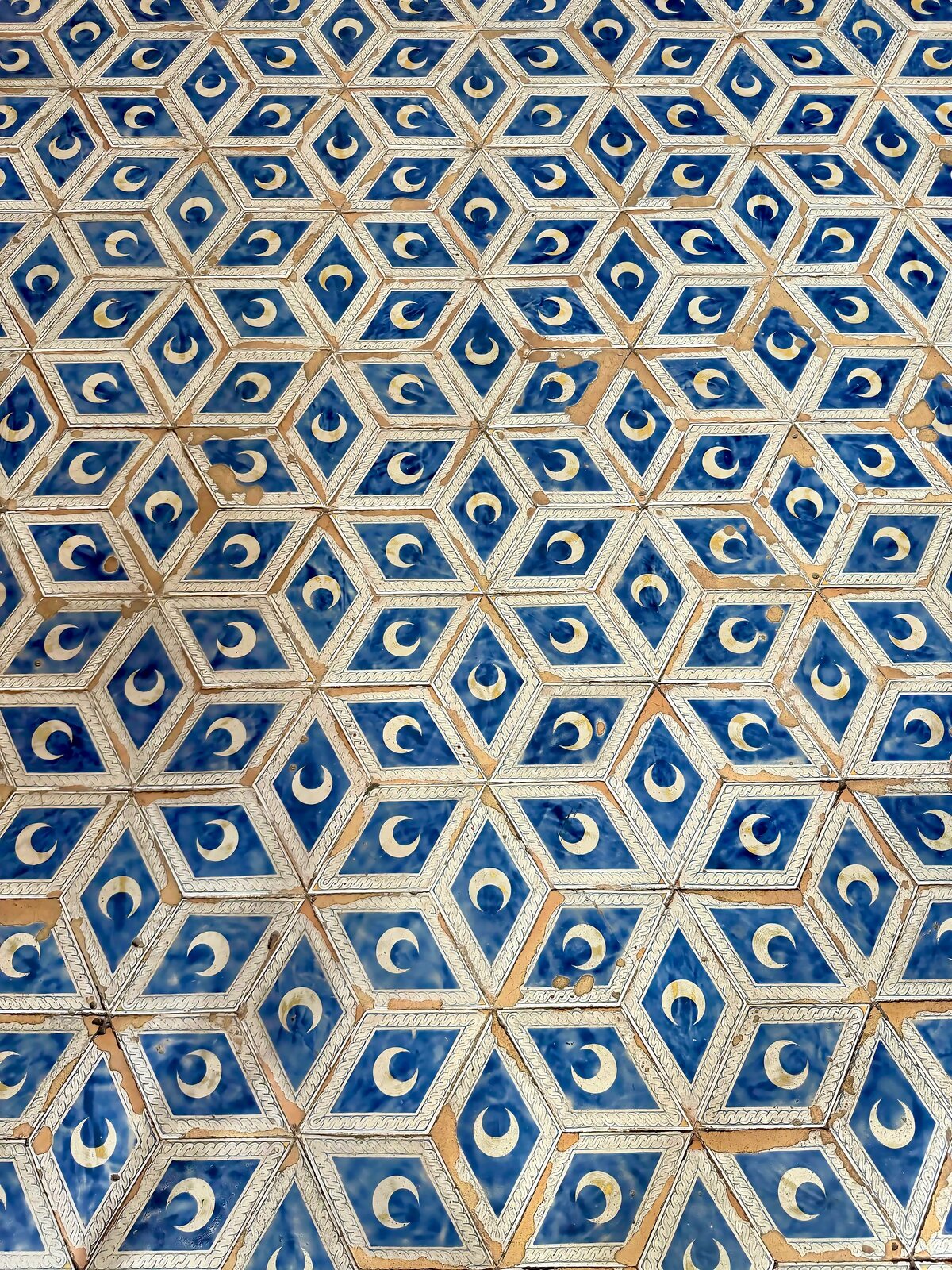
A blue and gold coffered vault of crescent moons and stars in the Siena cathedral

The most valuable surface spends its life boarded over

Then the floor, which states the argument in marble. The Duomo pavement is fifty six inlaid and graffito panels worked between the fourteenth and nineteenth centuries, and Vasari called it the most beautiful ever made. For most of the year it is boarded over to protect it, which means the supreme object in the building is, by design, the one you cannot see. Benjamin located aura in the here and now of the original, its presence in one place at one time. The floor is the limit case. Its aura is manufactured by concealment, by the boards that make presence occasional rather than permanent, so that value accrues to the object precisely in proportion to how rarely it is available. This is the exact inversion of the display logic that runs contemporary luxury, where the object is lit, staged and made maximally visible because visibility is the sale. Here the most valuable surface in the cathedral spends its life in the dark.

The panels are uncovered from 27 June to 31 July in 2026, an extended showing for the Year of St Francis. If you are reading this in most other months, the point is being made at your expense.

The unfinished façade of the great cathedral, the wall that leads nowhere, warm stone against hard blue.

Il Facciatone · a monument to an abandoned future

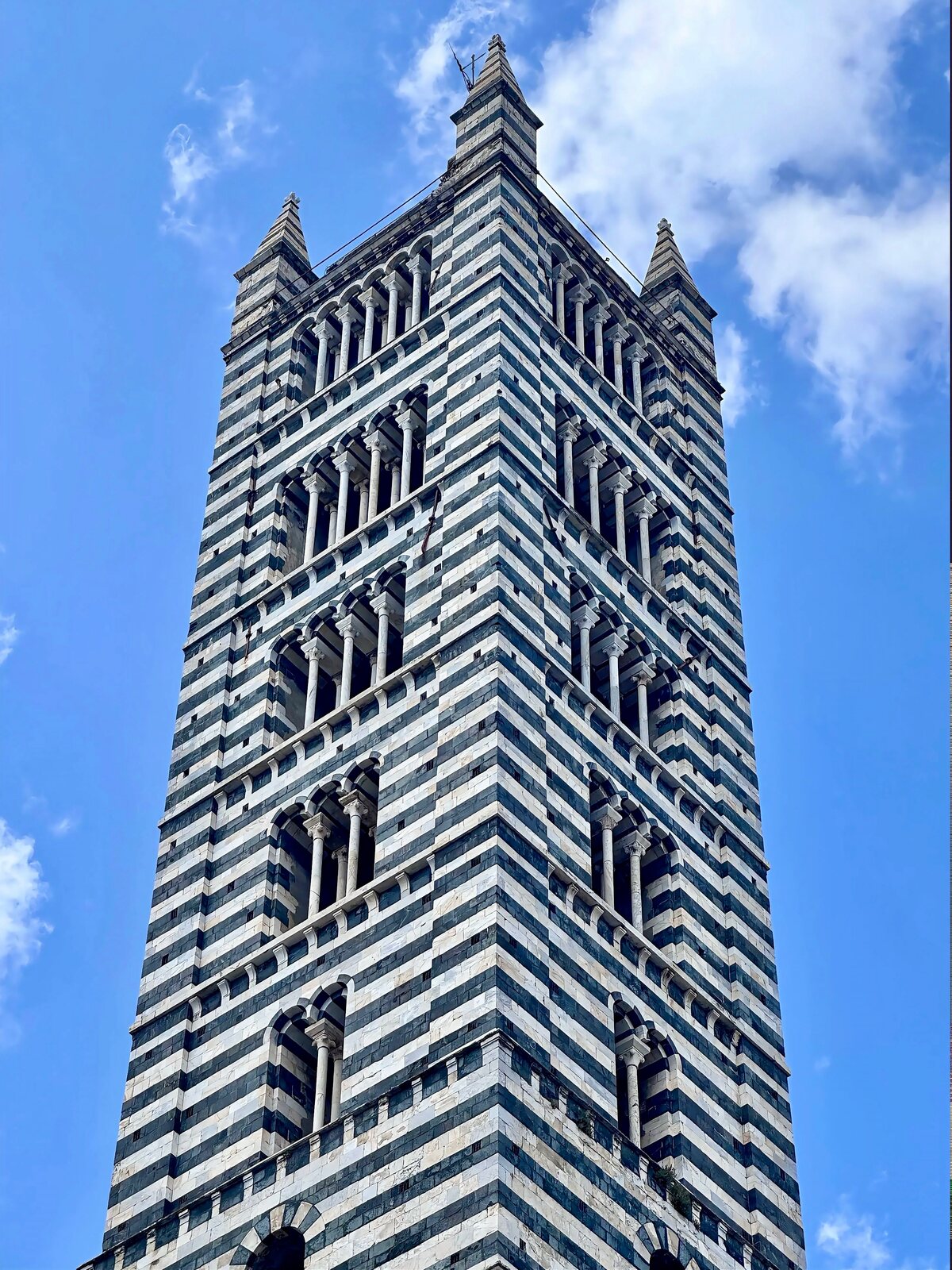
The black and white striped campanile of Siena cathedral rising against a hard blue sky

The cathedral that meant to dwarf Florence, striped stone against the sky.

The last object completes the logic. Siena began a cathedral that would have dwarfed Florence's, then the Black Death arrived in 1348 and the project stopped forever. What remains is a wall opening onto nothing, and you climb it for the panorama. A city that monumentalised its own interrupted ambition and then walked on top of it for seven hundred years. The unfinished façade is the withholding economy in its purest form, value invested in the thing that was never completed and never delivered, the cathedral you cannot enter because it was never built. Luxury sells permanence, the object that outlasts you, the register the houses now push harder than beauty. Siena sells the opposite and it is more convincing. The permanent monument to the thing that did not happen.

The Crete state the same case in landscape. Six weeks a year, post harvest, the clay hills are stripped to bare sculptural form, grey, hard-shadowed, free of every warm Tuscan cliché. The version of Tuscany the market sells is green and rolling and available all summer. This one exists for about six weeks and photographs as abstraction. The valley withholds its picturesque exactly when the picture would be worth the most.

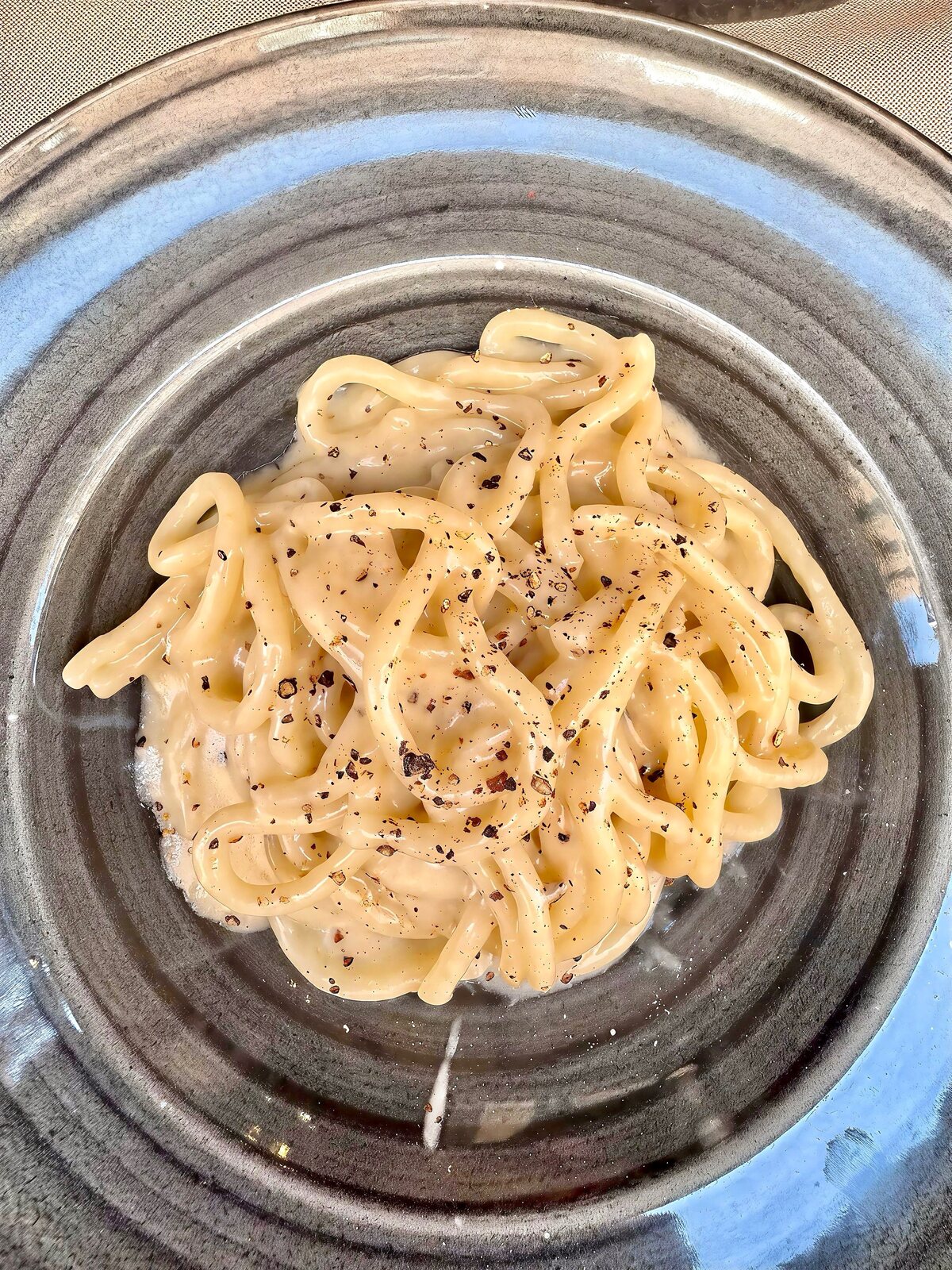
A bowl of pici cacio e pepe, thick hand-rolled Tuscan pasta with black pepper, in a stone bowl
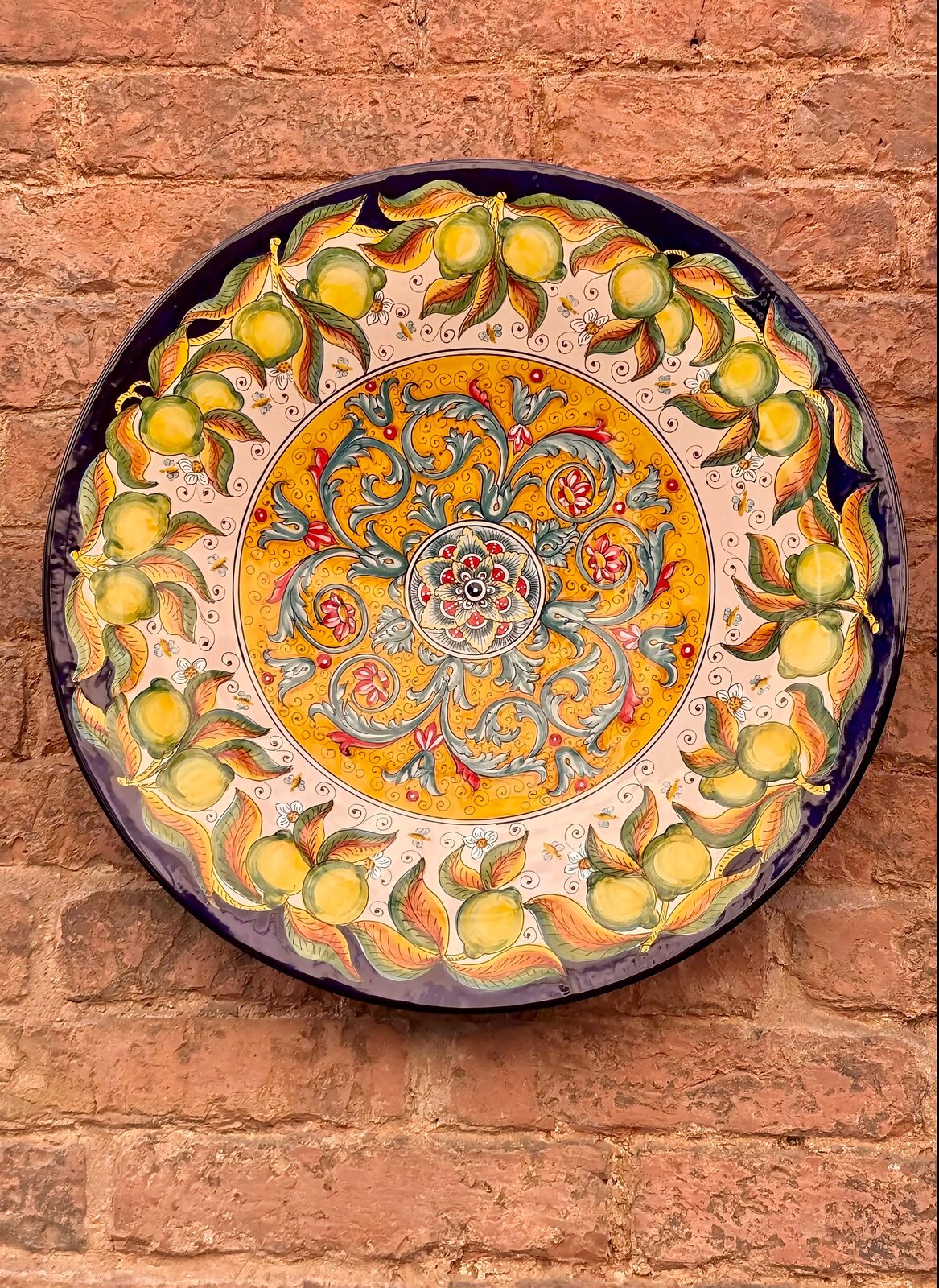
A hand-painted Senese majolica plate of lemons and scrollwork hung on a brick wall

The Senese table · the pleasure kept close, never sold

So the state of the market, stated in stone. Luxury has industrialised access. The waitlist, the drop, the members' room, the boutique that photographs like a museum, all of it sells the same thing, which is the feeling of having been let in. Siena holds the counter-inventory. A floor kept in the dark, a neighbourhood you cannot join, a cathedral that was never built. Value here is inversely related to access, and the objects that prove it are the ones the city refuses to make available. The question the whole place puts to the market is whether anything the market can sell you was ever worth as much as the things it cannot.

Stayed
Within the walls, inside the ZTL, plate registered
Walked
The contrada boundaries at dusk, Via Stalloreggi at the workshops, the Campo after dark when it empties
Saw
The Duomo floor uncovered, the Piccolomini Library under Pinturicchio, La Foce and the zigzag road Iris Origo defended
Read
Veblen, The Theory of the Leisure Class, in the one city that assigns belonging instead of selling it
Best hour
First light on the Crete, the clay grey and the cypresses black before the heat
Season
Late July, the floor uncovered for ten more days, the middle of the day unusable
The Field Study continues

Value rises where access falls.

Return to the route