
La Vie Cronborgeoisie · No. 01 · 6 November 2026
The greediest eye
In 1857 a court told the eye where it couldn’t look. Keats had already told it to wander.
This week the five are about the eye and the skin. What the eye is allowed to want, what has been forbidden it, and how a body is dressed to be looked at, from a court in 1857 to a cropped jumper in 2026. The title of Baudelaire’s Les Fleurs du mal sets a flower beside evil. In French mal also holds pain, sickness and grief. Each of the five carries a little of both. Keats gives the edition its key line, “wide wand’ring for the greediest eye”.
Hampstead Heath, early morning

Hampstead Heath in November, mist on the ponds and geese crossing low. The leaves turn gold on their way down. It’s the walk I go back to whenever I’m in London. I’ve walked it in every season. It’s a walk I can feel in my bones. Keats wrote “I stood tip-toe upon a little hill” on the Heath in 1816, and it opens his first book, Poems, 1817. He first called it Endymion, after the youth of Greek myth who sleeps forever while the moon comes down each night to look at him. On the Heath the mist takes the horizon away. The eye goes looking for it anyway.
Les Fleurs du mal
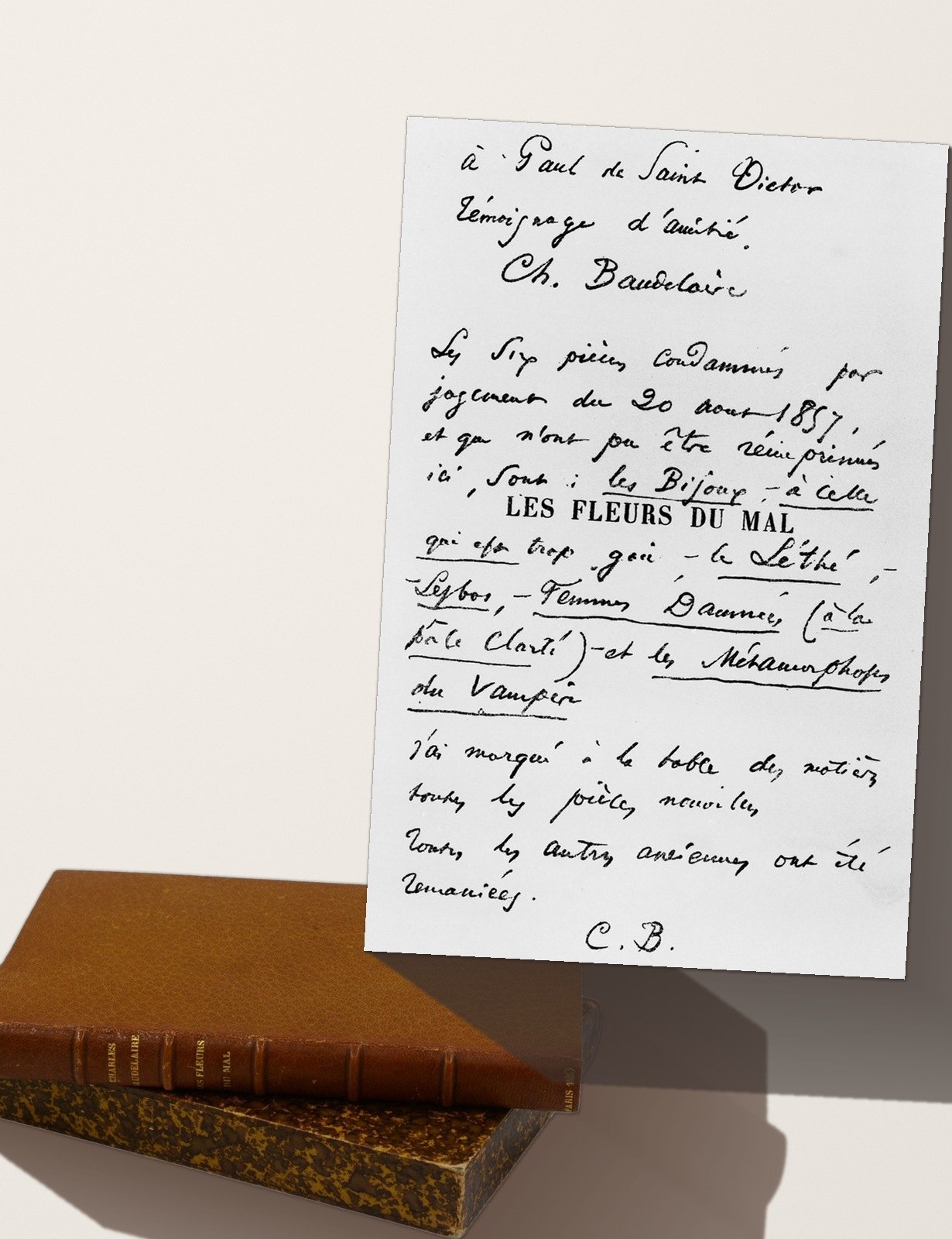
Baudelaire’s own hand on the half-title of the 1861 edition, inscribed to the critic Paul de Saint-Victor. Under the dedication he lists the six poems the court condemned on 20 August 1857, the ones that couldn’t be reprinted. His wager was that beauty could be drawn out of whatever the eye had been told to look away from. First on the list is Les Bijoux. The lover wears nothing but her jewels, which ring when she dances.
Romeo Gigli, spring 1990
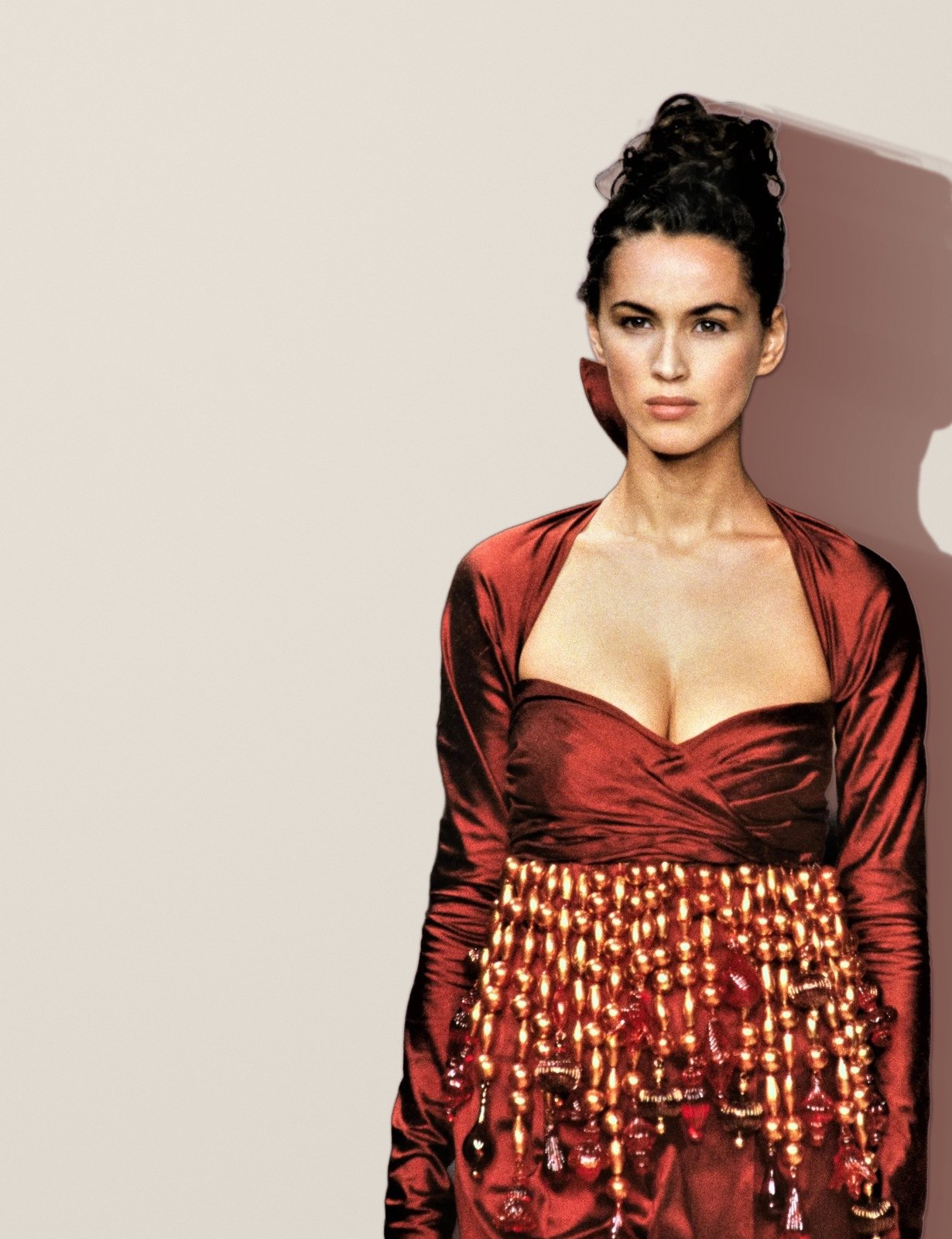
A fringe of Venetian glass, blown by hand, falls from the waist over bare skin. Each drop is as fragile as a flower and swings when she moves. Gigli took it from the Byzantine past of Venice. Paolo Roversi photographed Gigli’s clothes from 1985, in daylight, with exposures so long the figures blur. Roversi slows the eye down, and his blur rhymes with the mist on the Heath.
L’Avventura
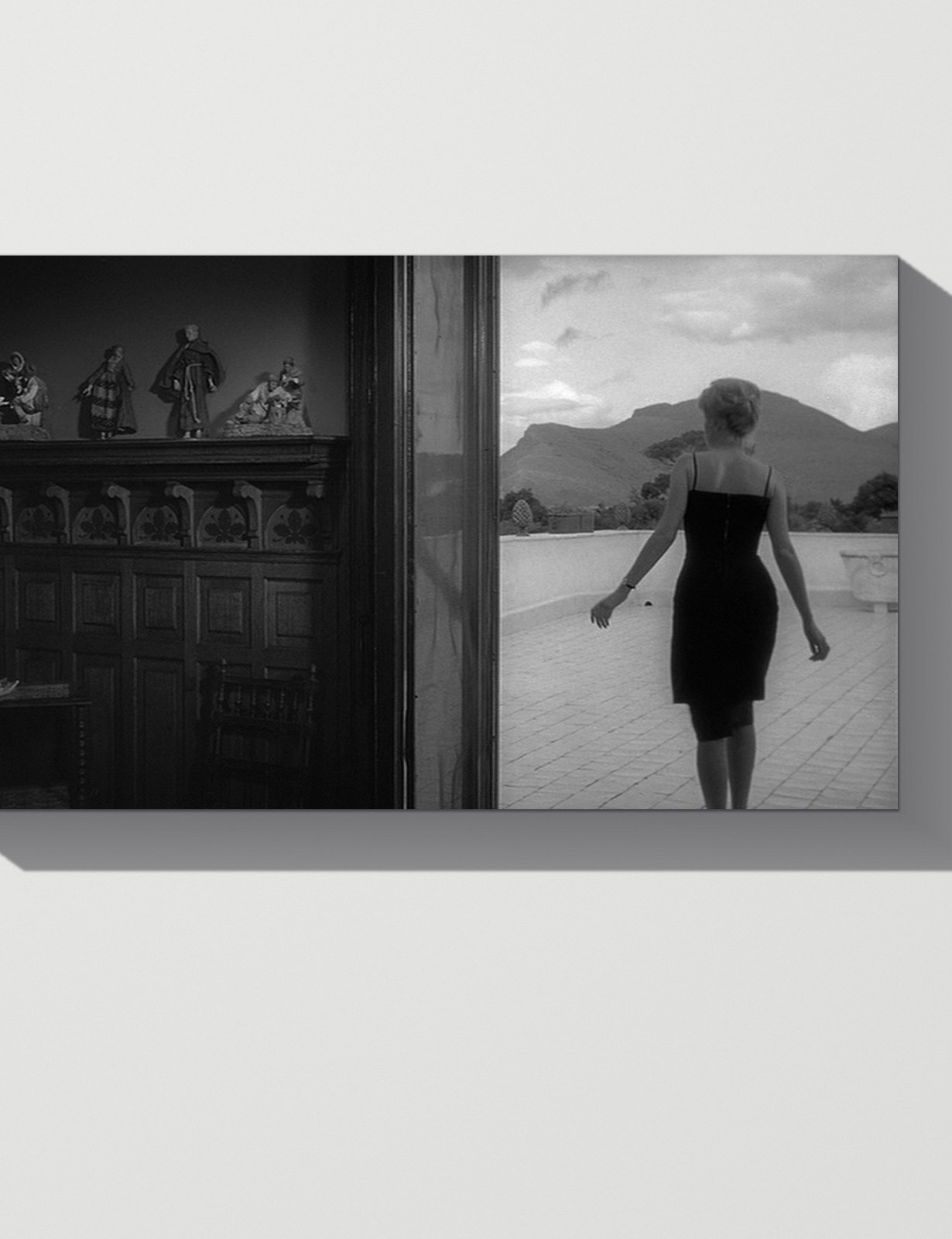
Antonioni, 1960. Rich, idle people on a yacht off Sicily. A woman goes missing on a volcanic rock called Lisca Bianca and is never found. Her lover and her best friend go looking for her. Within days they want each other instead. The search turns into an affair, and the affair into guilt. Antonioni’s diagnosis at Cannes that year was three words, Eros is sick. Monica Vitti walks away along a terrace in black. The camera follows her like Baudelaire’s eye and pen.
Sporty & Rich, Rich Girl
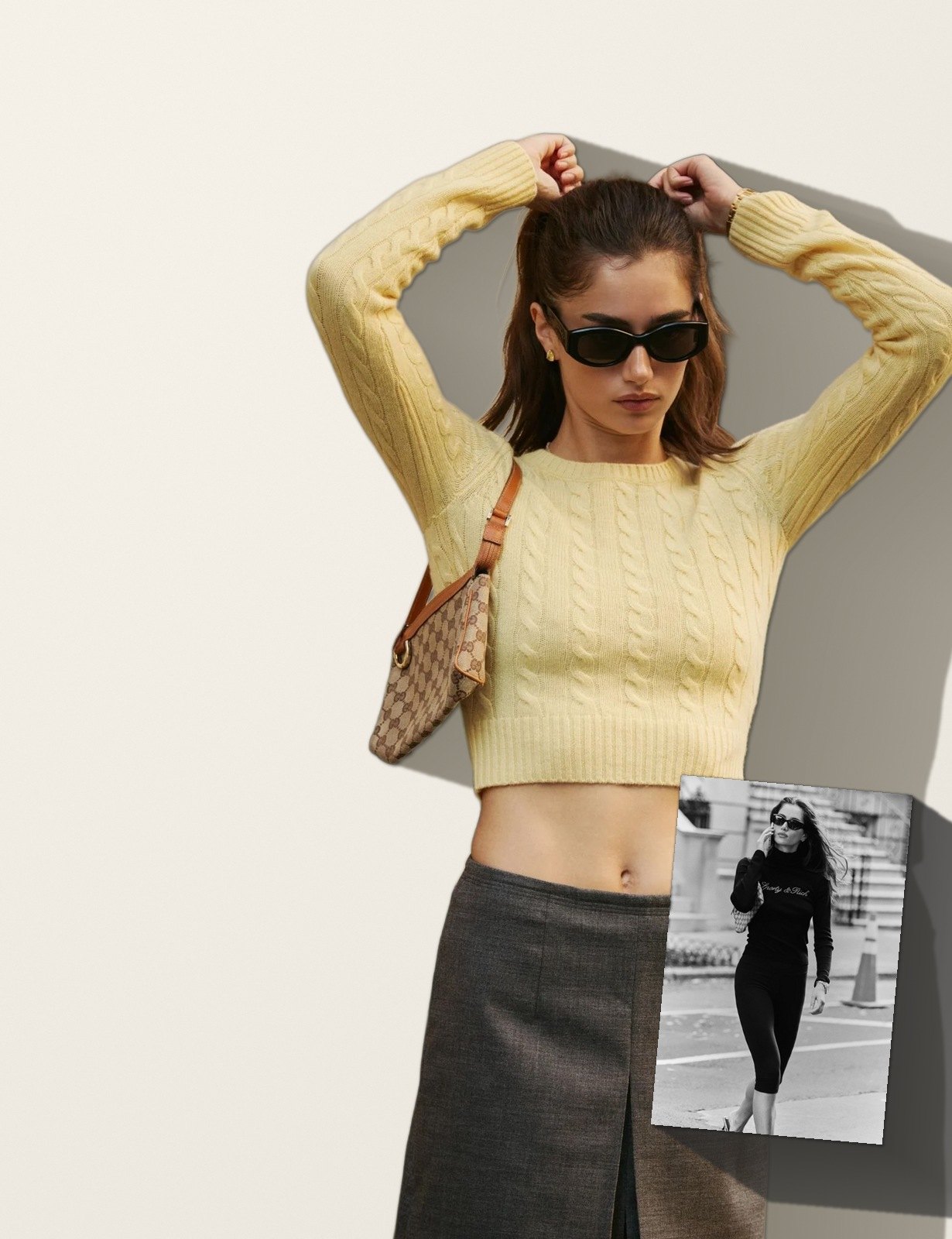
Sporty & Rich, Rich Girl, autumn and winter 2026. Antonioni’s heroine walked away in black. This Rich Girl comes in butter yellow, the cable knit stopped short, and the eye finishes the line. I find it delicious.
Read it in the magazine →