Paris, before the shows.
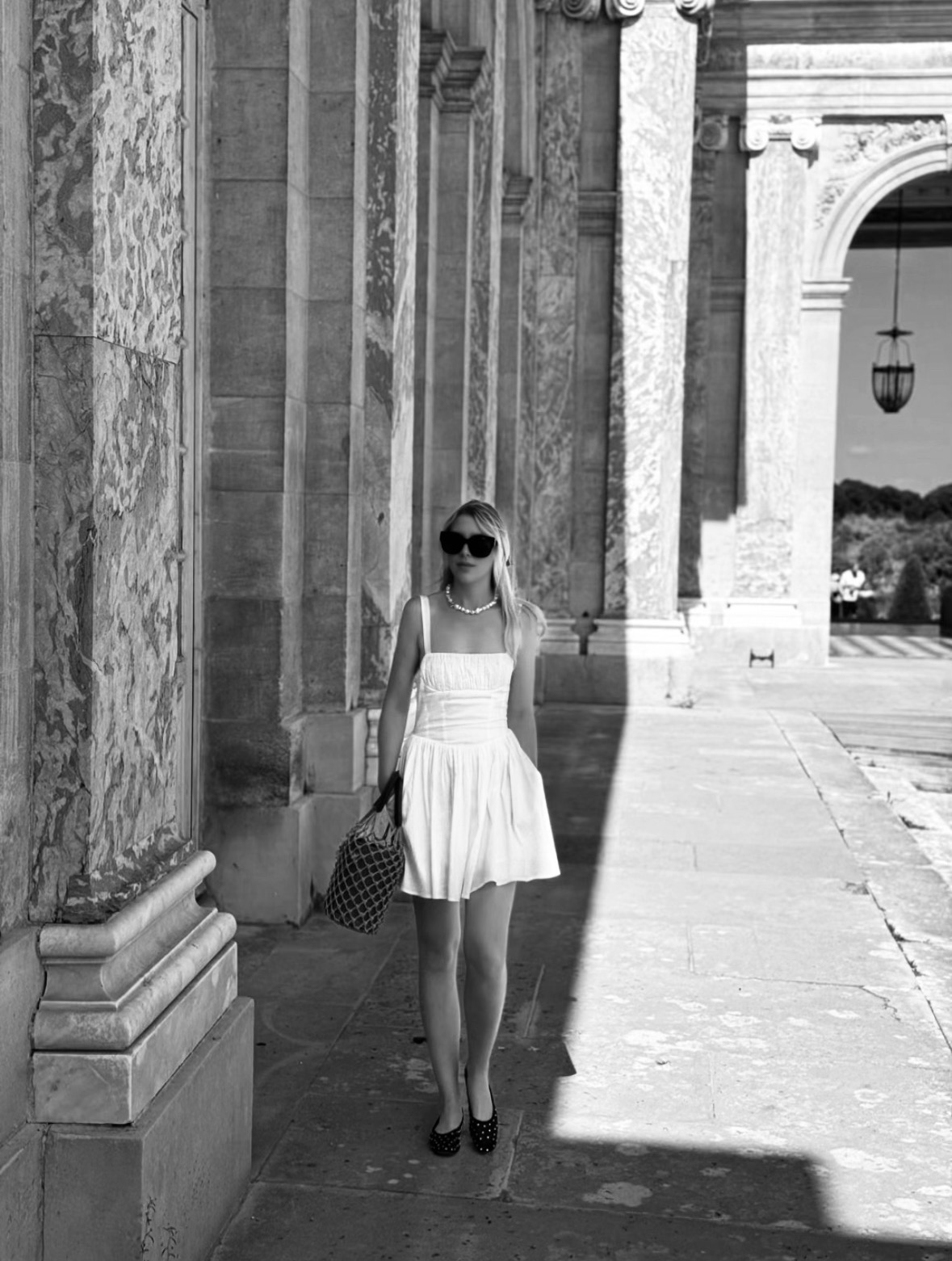
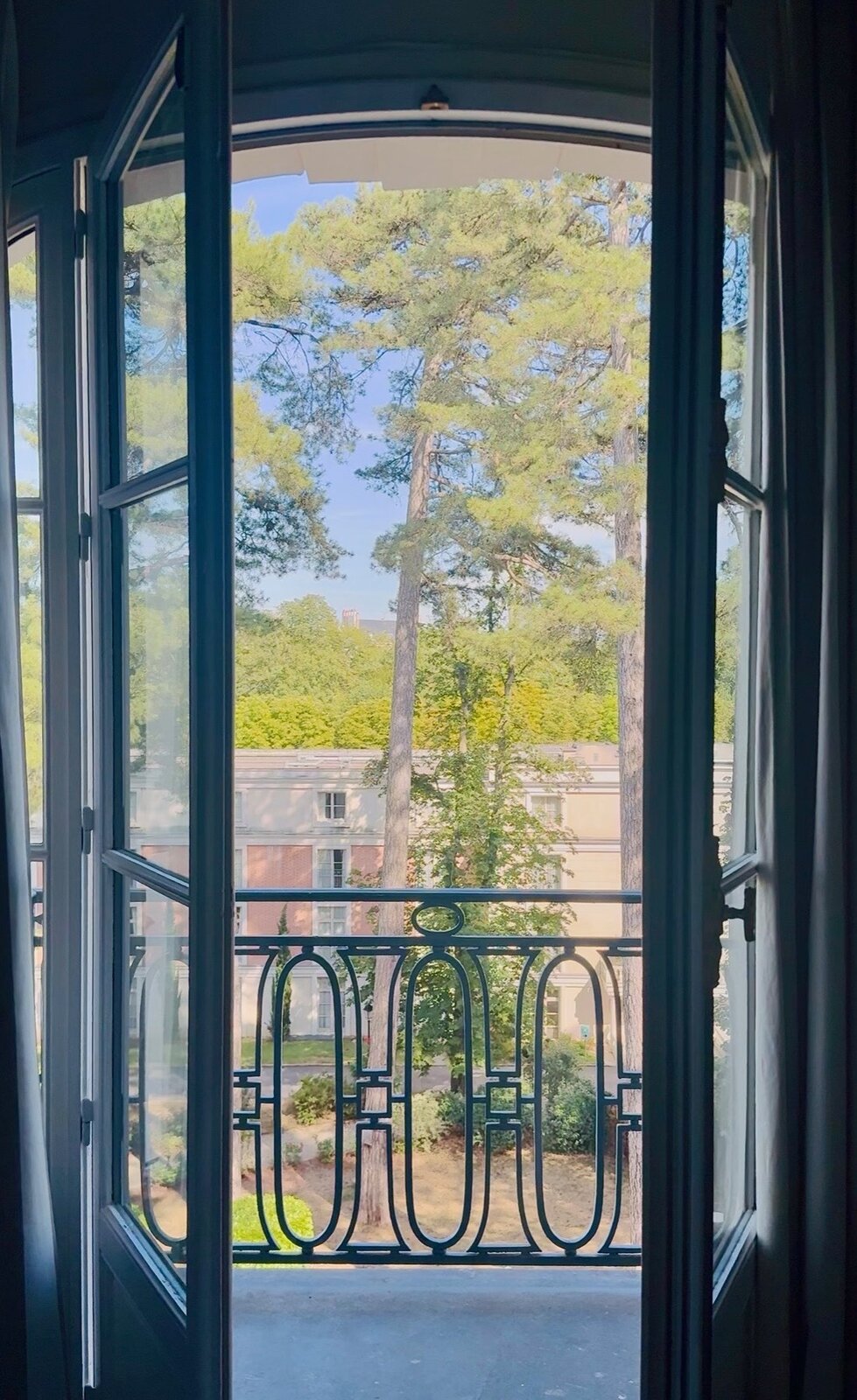
Headquarters. The lull when the work shows itself. How the city uses its quietest weeks as production time, and what the off-season says about a maison's priorities.
Read Field Notes No. 01Belgique · France · Italia
The study is in Puglia today, 16 July.
Field notes follow as it continues.
A field study of the state of luxury in 2026. Through France and Italy, the houses, the places, the people. What makes certain things irreducible at a moment when so many are under pressure. Each stop is a question, studied from inside.
Headquarters. The lull when the work shows itself. How the city uses its quietest weeks as production time, and what the off-season says about a maison's priorities.
Read Field Notes No. 01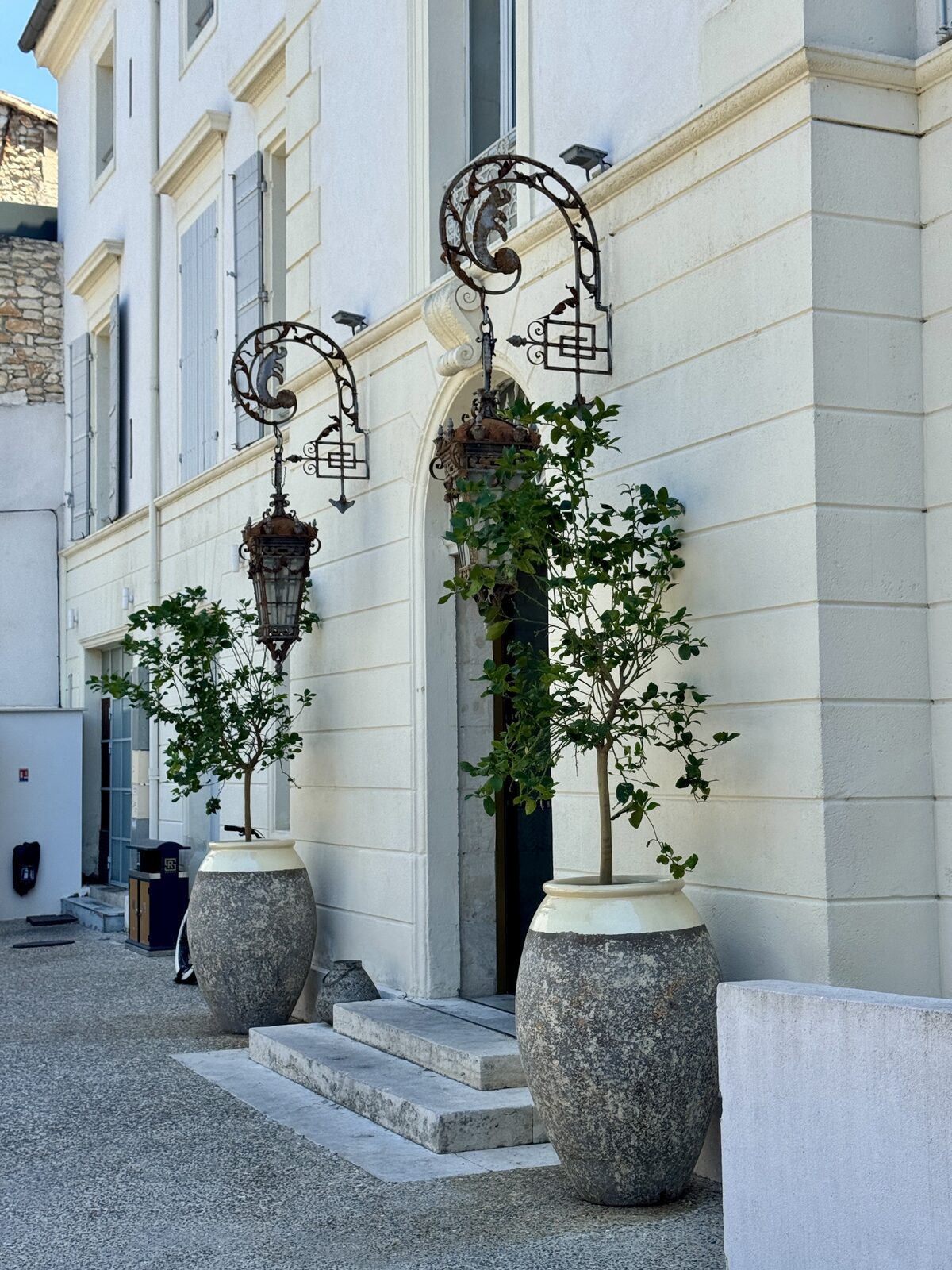
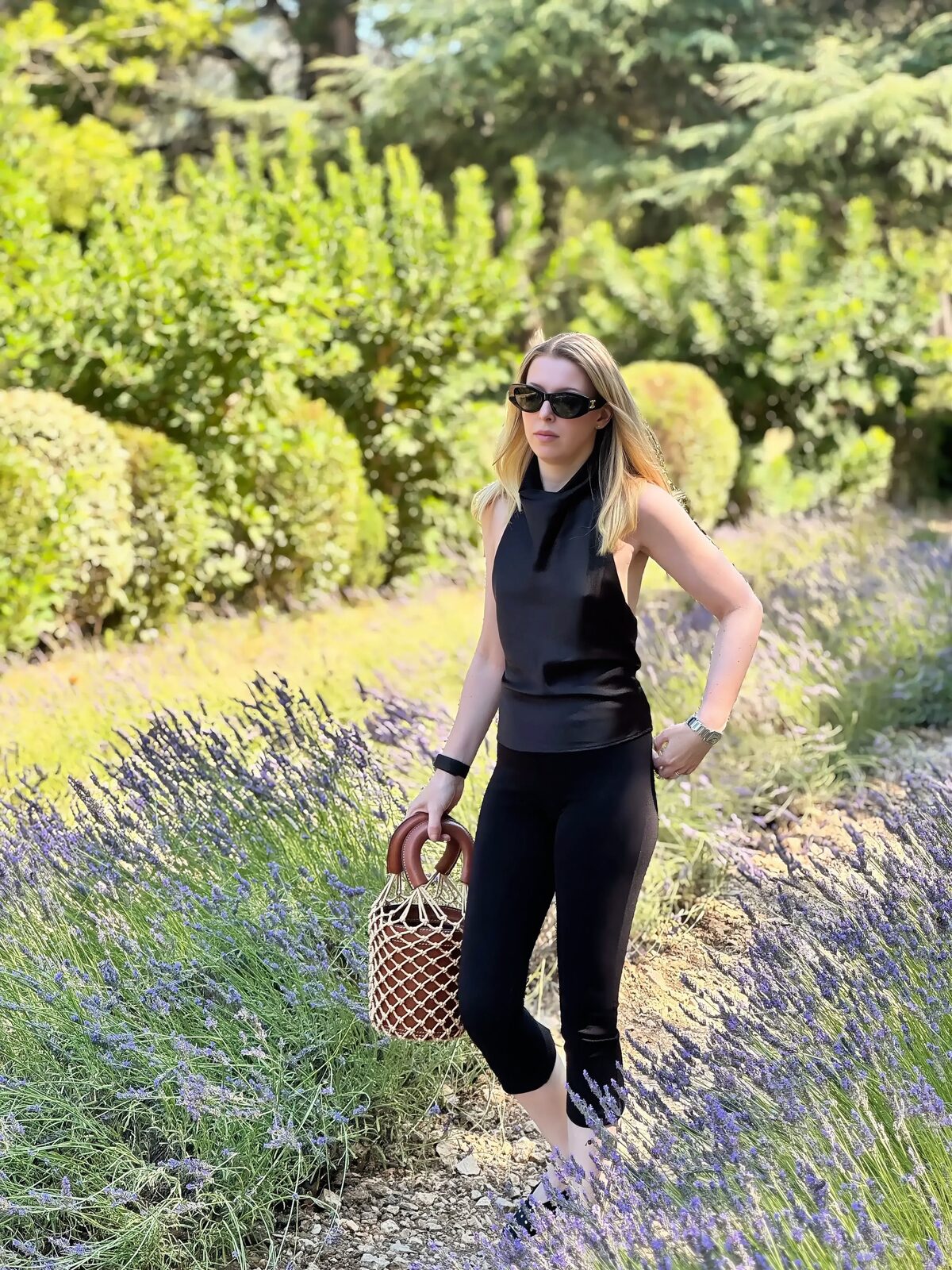
Provence is the most successfully exported regional brand in luxury history. Van Gogh, lavender, the Mas-style hospitality template. What protects it from cliché.
Read Field Notes No. 02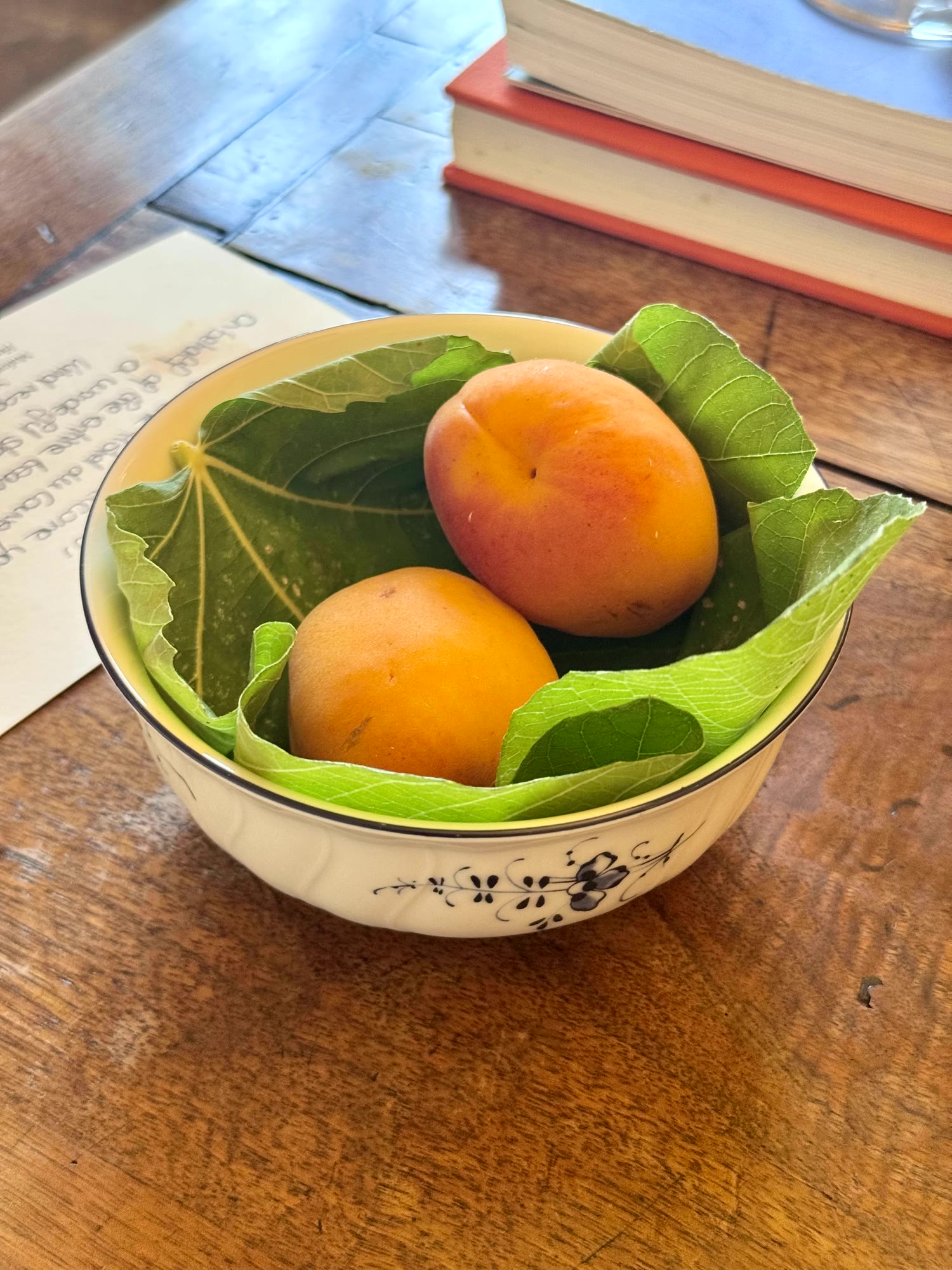
Three apricots in a bowl at a convent of 1610 restored on the hill above Nice. On enclosure, ripeness, and the answer to longevity.
Read Field Notes No. 03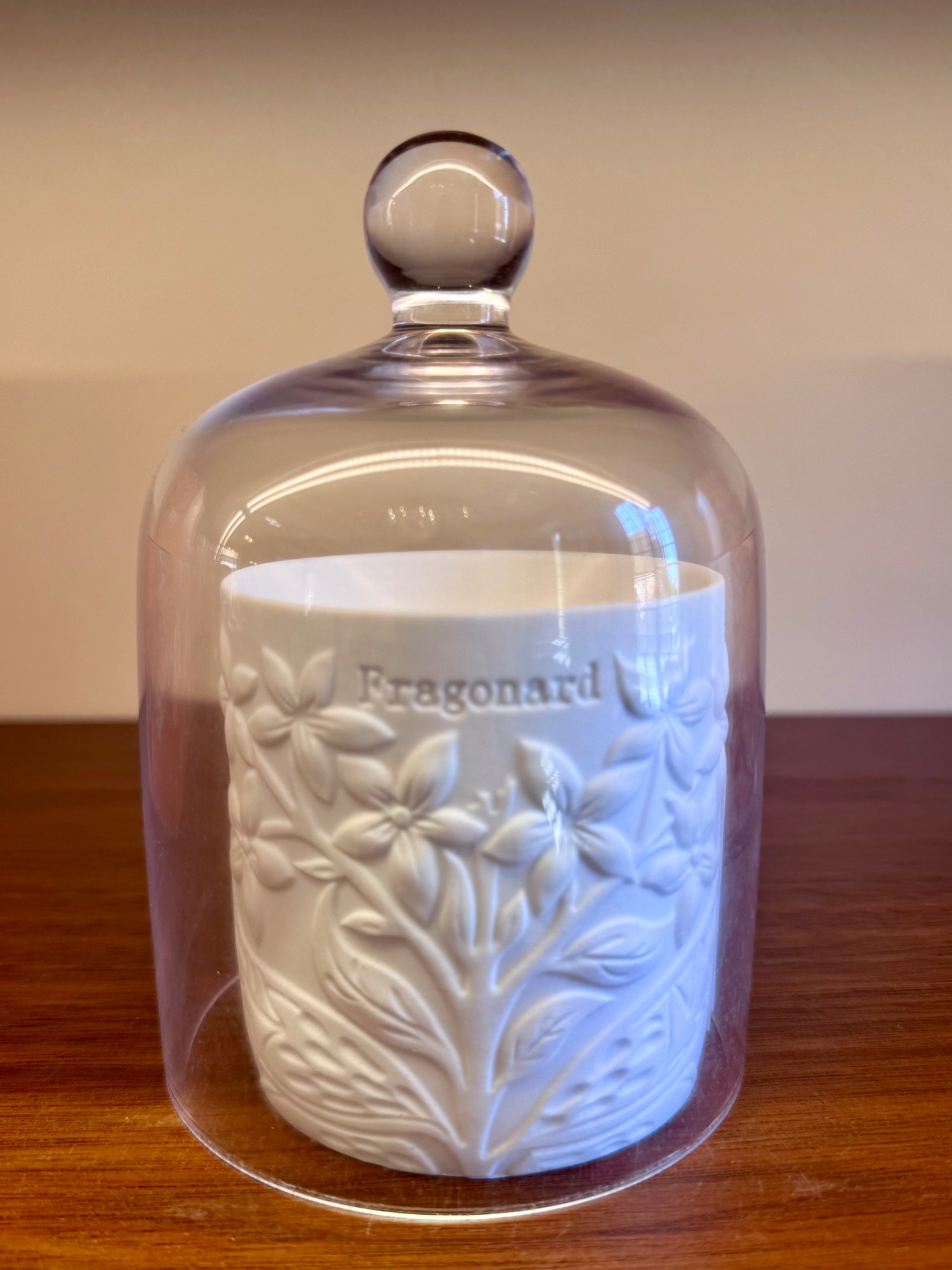
A town in the hills above Nice has grown flowers and turned them into memory for four hundred years. On functional fragrance, the toilette, and the oldest fact about scent.
Read Field Notes No. 04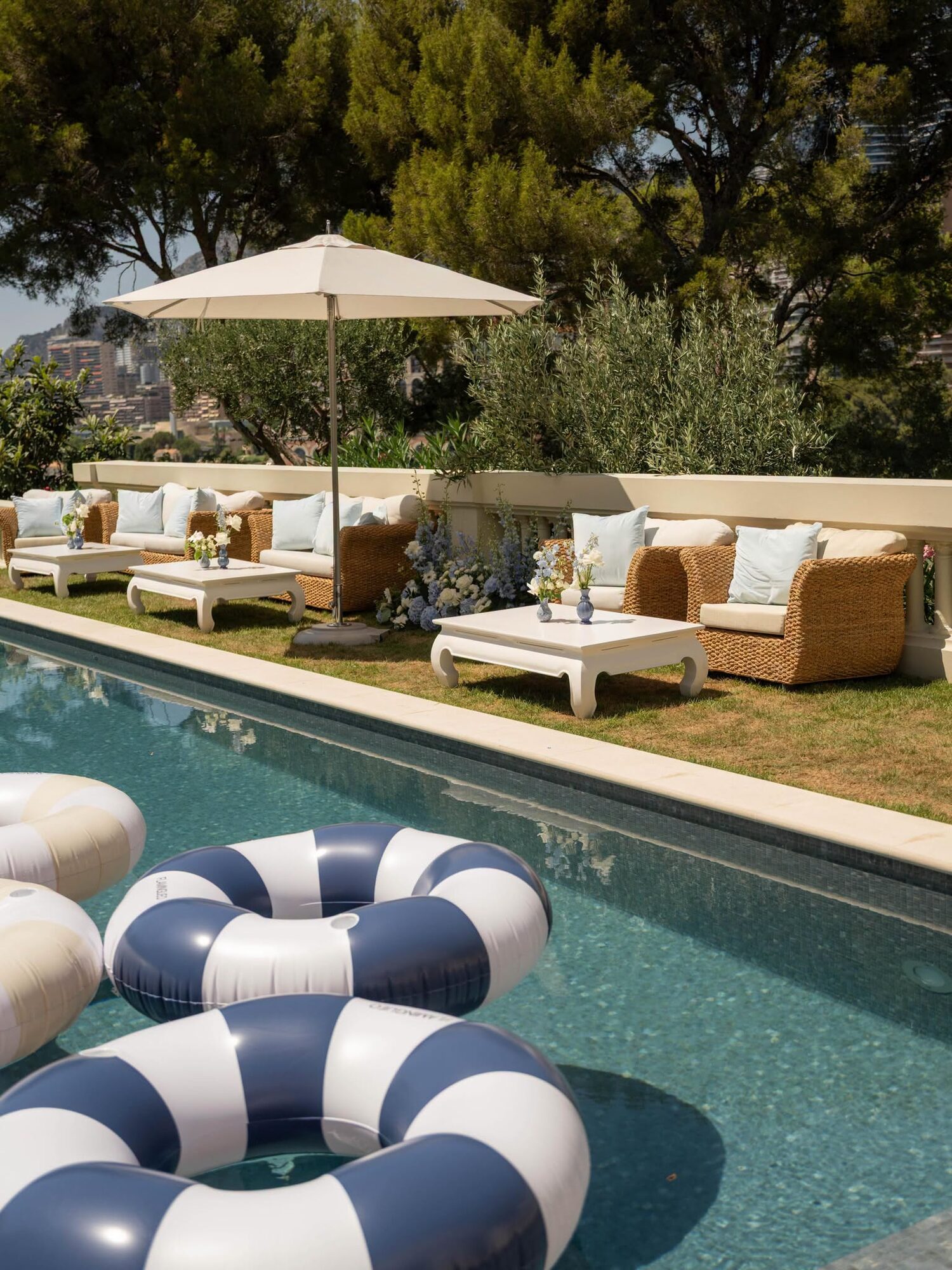
A car left unlocked for hours, untouched, in the cleanest country on earth. On frictionlessness, the invention of tradition, and the flower that grows out of rot.
Read Field Notes No. 05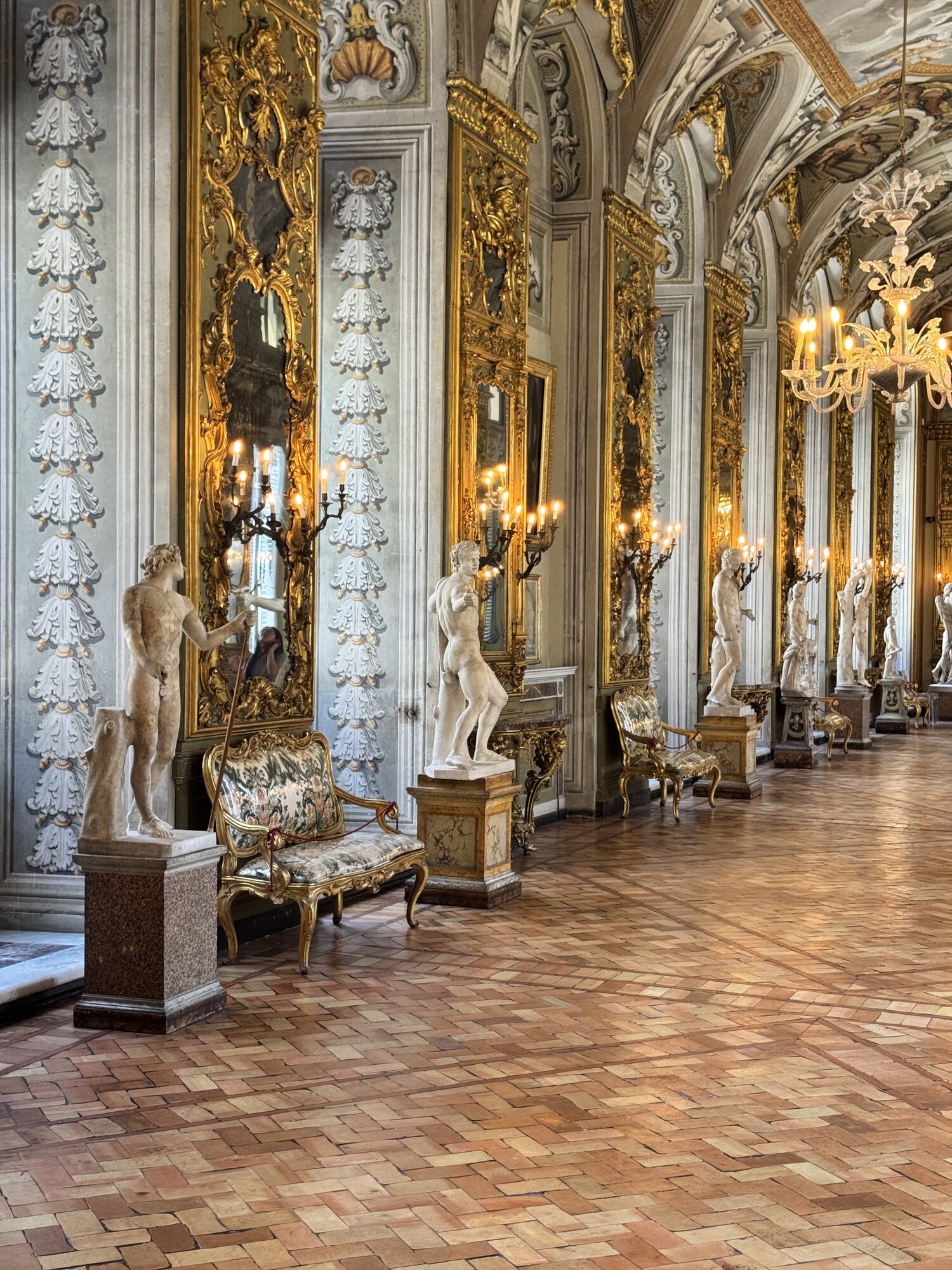
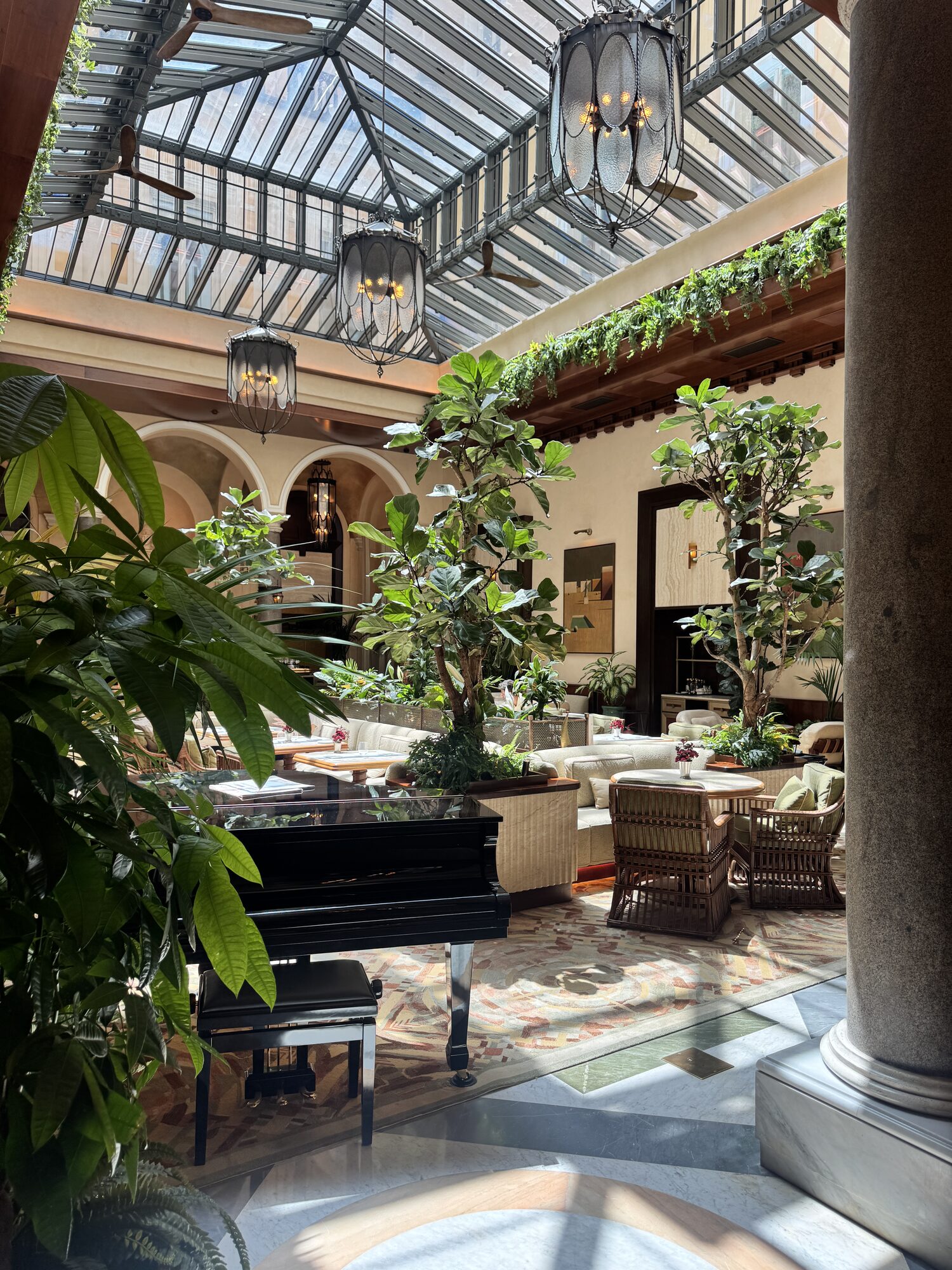
A high-summer week behind the Pantheon. On the palimpsest, the art of the concealed layer, and two houses that carry a whole city on the hand.
Read Field Notes No. 06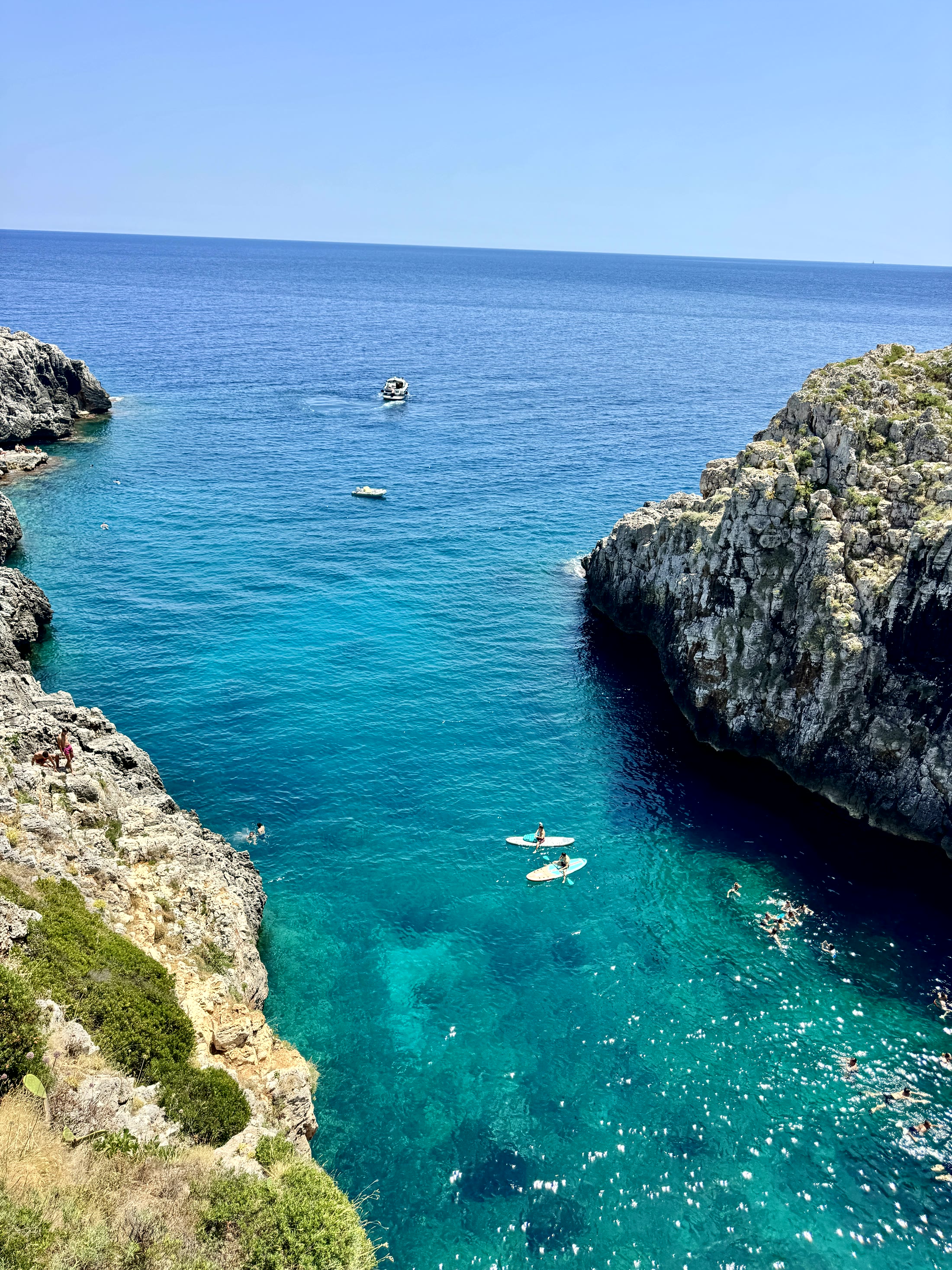
A landscape of recognised beauty produced by a culture that had nothing to spare. On necessity become form, the paper saints of Lecce, and the olive trees that put luxury's oldest promise to the test.
Read Field Notes No. 07Île-de-France
Headquarters. Late-summer Paris before the September shows. The lull when the work shows itself. How the city uses its quietest weeks as production time, and what the off-season says about a maison's priorities.
Read Field Notes No. 01 · VersaillesProvence · Hôtel Le Saint-Rémy
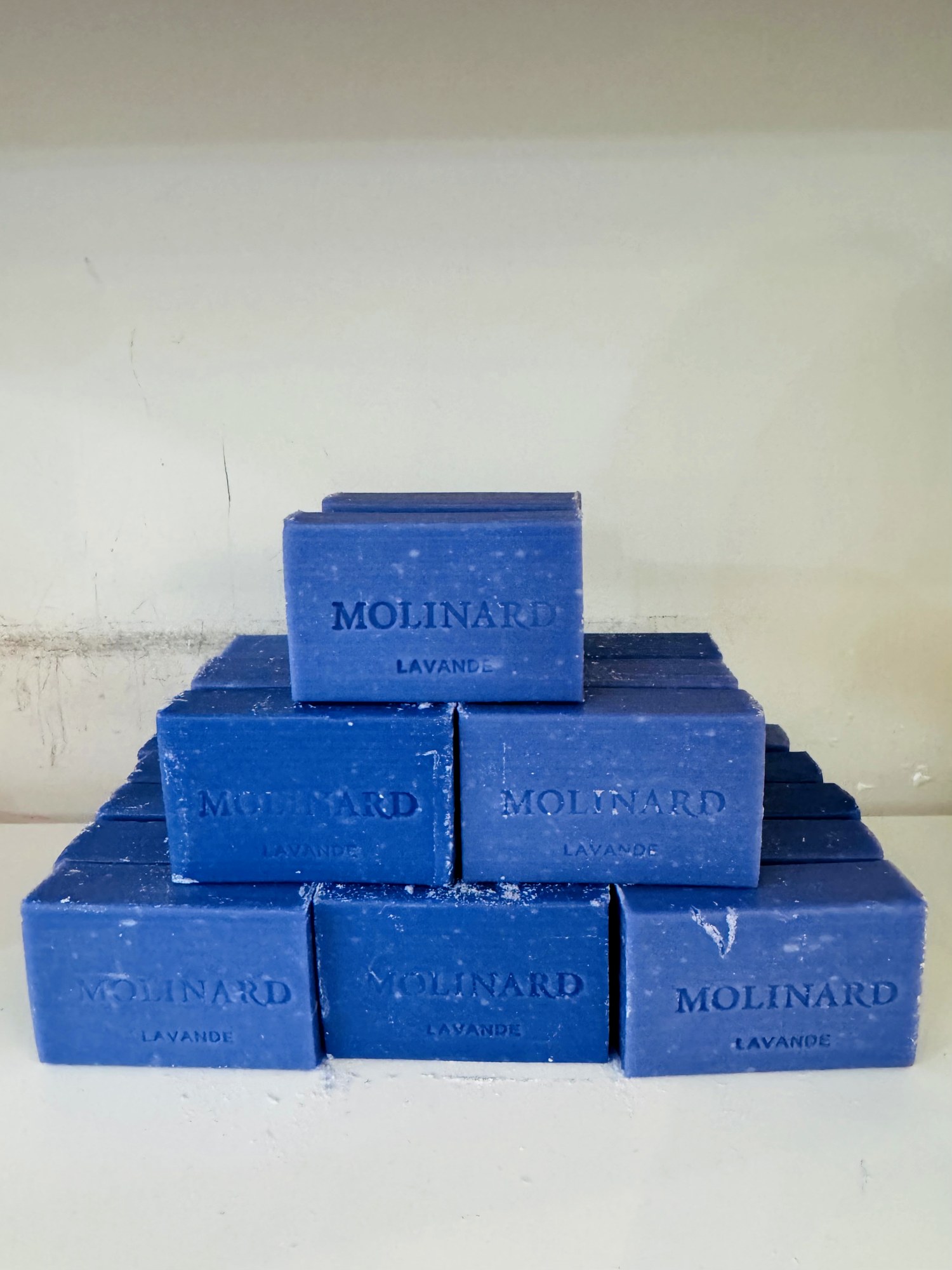
Provence is the most successfully exported regional brand in luxury history. Van Gogh, lavender, olive oil, the Mas-style hospitality template. How a landscape becomes a commercial signal, and what protects it from cliché.
Read Field Notes No. 02 · Saint-RémyCôte d'Azur · Hôtel du Couvent
Moved in time. Three apricots in a bowl at a convent of the Visitation, founded in 1610, restored on the hill above Nice. On enclosure, ripeness, and the answer to longevity.
Read Field Notes No. 03 · NiceThe perfume capital, in the hills above Nice
The ritual was never new. A town that has grown flowers and turned them into memory for four hundred years. On functional fragrance, the toilette, and the oldest fact about scent.
Read Field Notes No. 04 · GrasseMonaco
A coastal pause on the drive from Nice into Italy. Monaco as the unfiltered version of the luxury equation. Wealth, spectacle, and the architecture that holds them both.
Read Field Notes No. 05 · Monte-CarloLazio
The Roman houses, Fendi, Bulgari, Valentino, carry imperial inheritance differently from how Paris or Milan does. How a capital of antiquity feeds its living maisons, and where the line falls between heritage and pastiche.
Read Field Notes No. 06 · RomaApulia
The masseria is the luxury hospitality typology of the decade. Borgo Egnazia, Masseria Torre Coccaro, the quieter new openings. How an agrarian vernacular becomes a global luxury format without losing what made it credible.
Read Field Notes No. 07 · The SalentoTuscany
Tuscan luxury as the discipline of restraint. Landscape, slowness, and a price that doesn't apologise. What the Tuscan model exports to the rest of the world, and what it deliberately refuses to.
Umbria
Brunello Cucinelli's hill town. Humanistic capitalism as a luxury operating system. What changes when a maison treats craft, place, and labour as a single integrated argument.
Emilia-Romagna
One small region, four global luxury categories. Ferrari, Maserati, balsamico, Pagani. Terroir-driven craft luxury, and the value of keeping the hand visible inside an industrialised object.
Veneto
A city whose own existence has become a luxury good. Murano, the Biennale, the architecture that justifies the spectacle. Luxury as theatre, in the original sense. And what survives once the audience leaves.
Lombardia
Where luxury became business. Prada, Armani, Bottega Veneta. The headquarters logic. How Milan converted craft into corporate without losing the visible hand, and what it cost.
Alsace
Alsace as a cross-cultural palimpsest of French and German craft. Borderland luxury. What travels across the line and what refuses to, and how a city formed on a contested edge develops its own register of taste.
Belgique
The Antwerp Six rewrote what Belgian fashion could mean from the margins of Paris. The diamond district handles the world's stones with no fanfare at all. How an outsider city manufactures cultural gravity without claiming it.
Atelier visits, exhibitions, studios and maisons, hospitality. The study is written from inside, and doors open it further.
Write to the studio